Keto recipes by Ingredient profile
Sort keto recipes by what goes into them: specialty flours, sweeteners, binders, sauces, or nothing beyond the regular grocery store aisles.
Subcategories in Ingredient profile
This is how this recipe dimension is split, including the current number of published recipes.
Latest posts
12 of 311 matching posts.
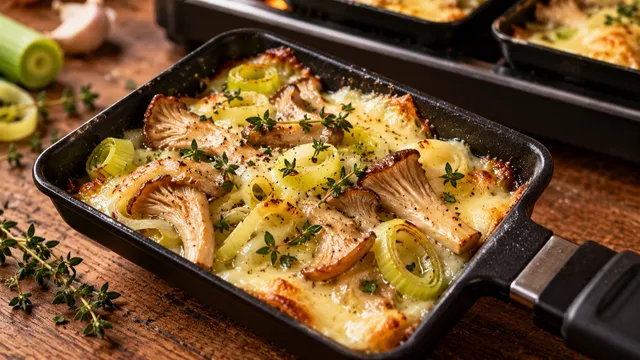
Keto Raclette Pans with Oyster Mushrooms, Leeks and Thyme
Keto raclette pans with oyster mushrooms, leeks and thyme: seared in garlic butter first, vegetarian, approx. 7 g net carbs and 33 g fat per serving.
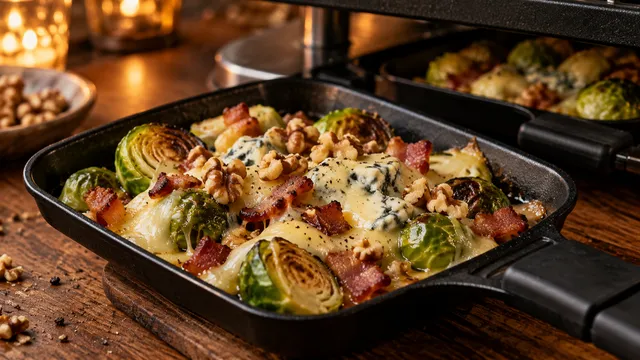
Keto Raclette Pans with Brussels Sprouts, Bacon and Gorgonzola
Keto raclette pans with Brussels sprouts, crispy bacon, Gorgonzola and walnuts: prepped in 30 minutes, approx. 4 g net carbs and 35 g fat per person.
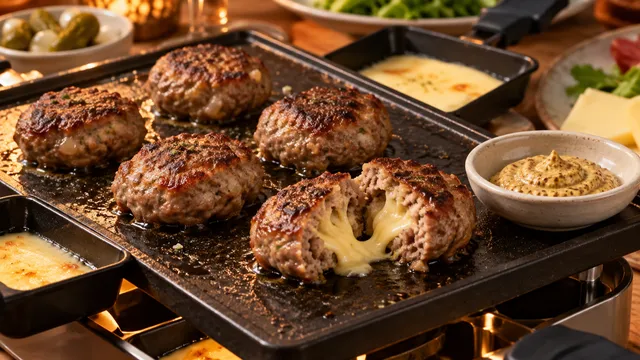
Keto Mini Meatballs for Raclette and Table Grills - No Breadcrumbs
Keto mini meatballs with a melting cheese center for raclette: no bread or breadcrumbs, done in 10 minutes on the grill plate - 1.5 g net carbs and 41 g fat.
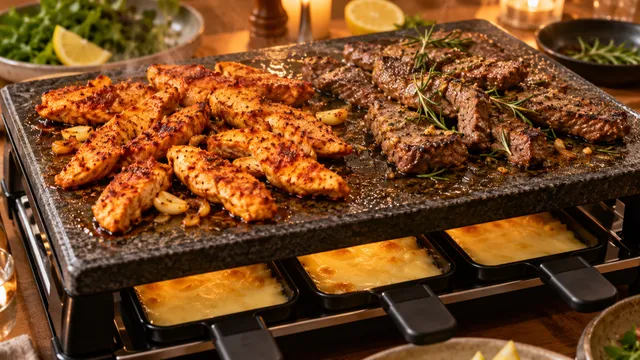
Keto Raclette Grill Plate: Chicken and Beef Strips with Paprika Garlic Marinade
Keto raclette grill plate: chicken and beef strips in two sugar-free marinades, 20 min hands-on - approx. 1 g net carbs and 34 g protein per person.
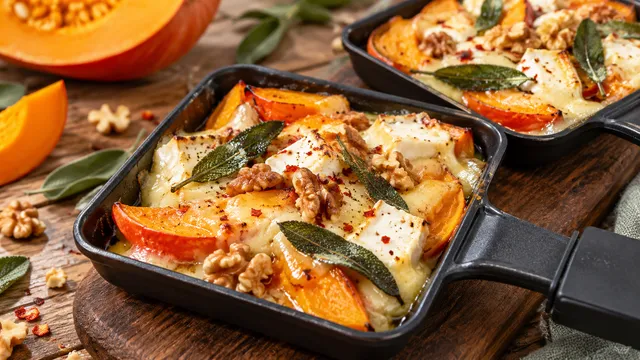
Keto Raclette Pans with Hokkaido Pumpkin, Goat Cheese and Sage
Keto raclette pans with roasted Hokkaido pumpkin, goat cheese, sage butter and walnuts: only approx. 6.5 g net carbs and 39 g fat per person.
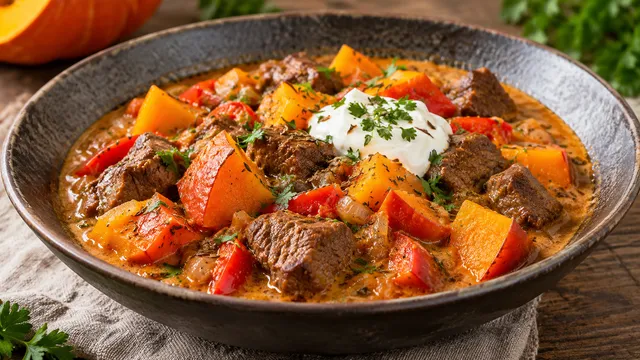
Keto Pumpkin Beef Goulash with Paprika and Sour Cream
Keto beef goulash with Hokkaido pumpkin, smoked paprika, caraway and sour cream, no flour: approx. 7 g net carbs, 32 g fat and 41 g protein per serving.
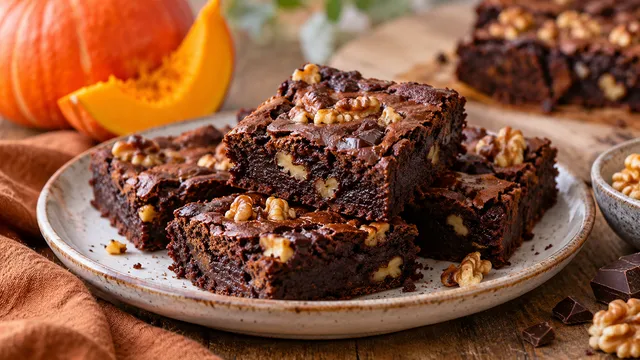
Keto Pumpkin Brownies with Walnuts and Dark Chocolate
Fudgy keto pumpkin brownies with Hokkaido puree, 85% dark chocolate, almonds and walnuts, sweetened with erythritol. Approx. 4 g net carbs, 20 g fat per slice.
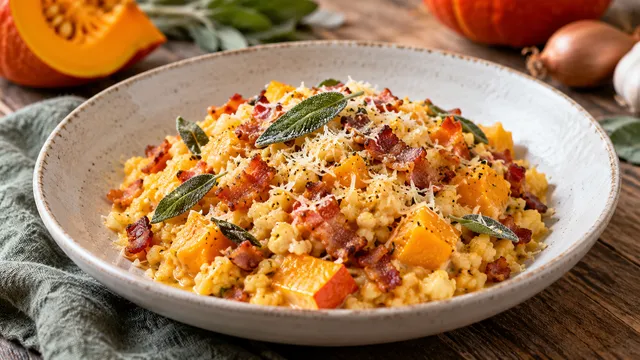
Keto Pumpkin Cauliflower Rice Risotto with Bacon and Parmesan
Keto pumpkin risotto without rice: cauliflower rice with Hokkaido, crispy bacon, Parmesan and sage. Approx. 7.5 g net carbs, 35 g fat per serving, 35 minutes.
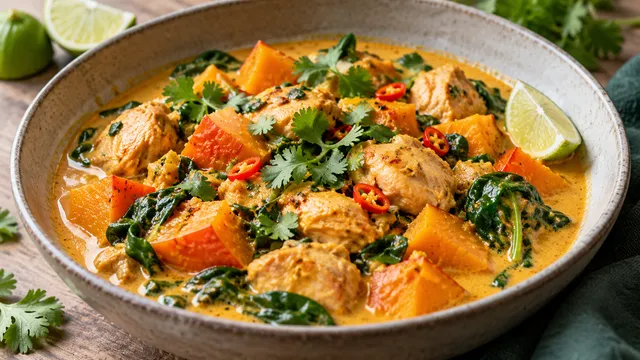
Keto Pumpkin Chicken Curry with Coconut Milk and Spinach
Keto pumpkin curry with chicken thighs, Hokkaido, red curry paste, coconut milk and spinach: approx. 8 g net carbs and 46 g fat per serving, done in 45 minutes.
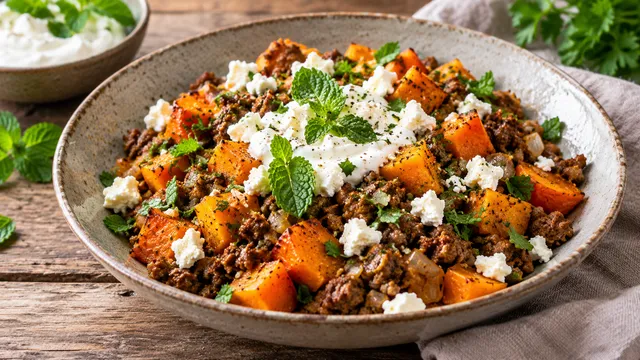
Keto Pumpkin and Ground Lamb Skillet with Feta and Mint
Middle Eastern-style keto skillet with ground lamb, Hokkaido pumpkin, cumin, feta, mint and yogurt: approx. 7 g net carbs, 45 g fat per serving, done in 30 min.
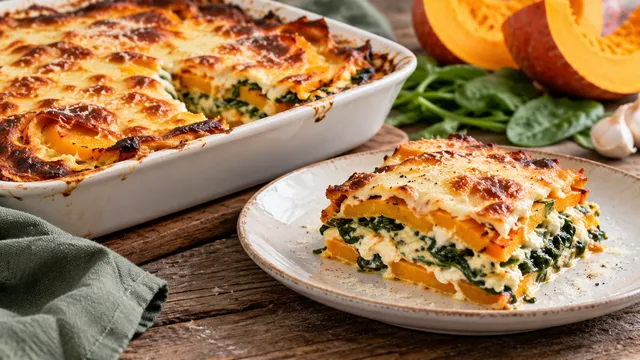
Keto Pumpkin Lasagna with Spinach and Ricotta
Keto pumpkin lasagna without pasta sheets: thin Hokkaido slices, spinach-ricotta filling, cream, mozzarella. Approx. 7.5 g net carbs and 28 g fat per serving.
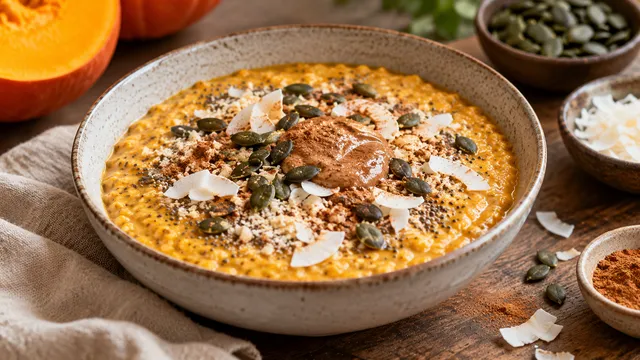
Keto Pumpkin Porridge with Chia Seeds, Almonds and Cinnamon
Keto pumpkin porridge without oats: Hokkaido purée, chia seeds, almonds, coconut and cinnamon in almond milk. About 6 g net carbs, 32 g fat, vegan, 20 minutes.
About this category
The ingredient profile looks at a recipe from the shopping side. Some keto dishes rely on products you rarely keep at home, such as almond flour, psyllium husk, erythritol or shirataki noodles. Others work entirely with eggs, meat, fish, vegetables, cheese and butter. Knowing which kind of recipe you are looking at before you start saves you a second trip to the store.
Use No specialty ingredients when you want to cook tonight with what is already in the fridge, and Keto ingredient for dishes built around typical low-carb staples. Flour alternatives, Sweeteners and Binders and fiber cover baking, desserts and bread, where the swaps matter most. Noodle and rice substitutes collects zucchini noodles, cauliflower rice and konjac, Fat boosters gathers coconut milk, MCT oil and nut butters, and Keto sauces and seasonings covers condiments that need a sugar check. Electrolytes and supplements holds the drinks and bowls that add salt, potassium or magnesium from food.
A recipe can sit in several of these categories at once. Carrot cake with cream cheese topping, for example, needs both a flour swap and a sweetener. If you are new to keto, start with the simpler categories and add specialty products one at a time, so you learn how each one behaves in the kitchen.