Erythritol: The Default Sweetener of the Keto Kitchen
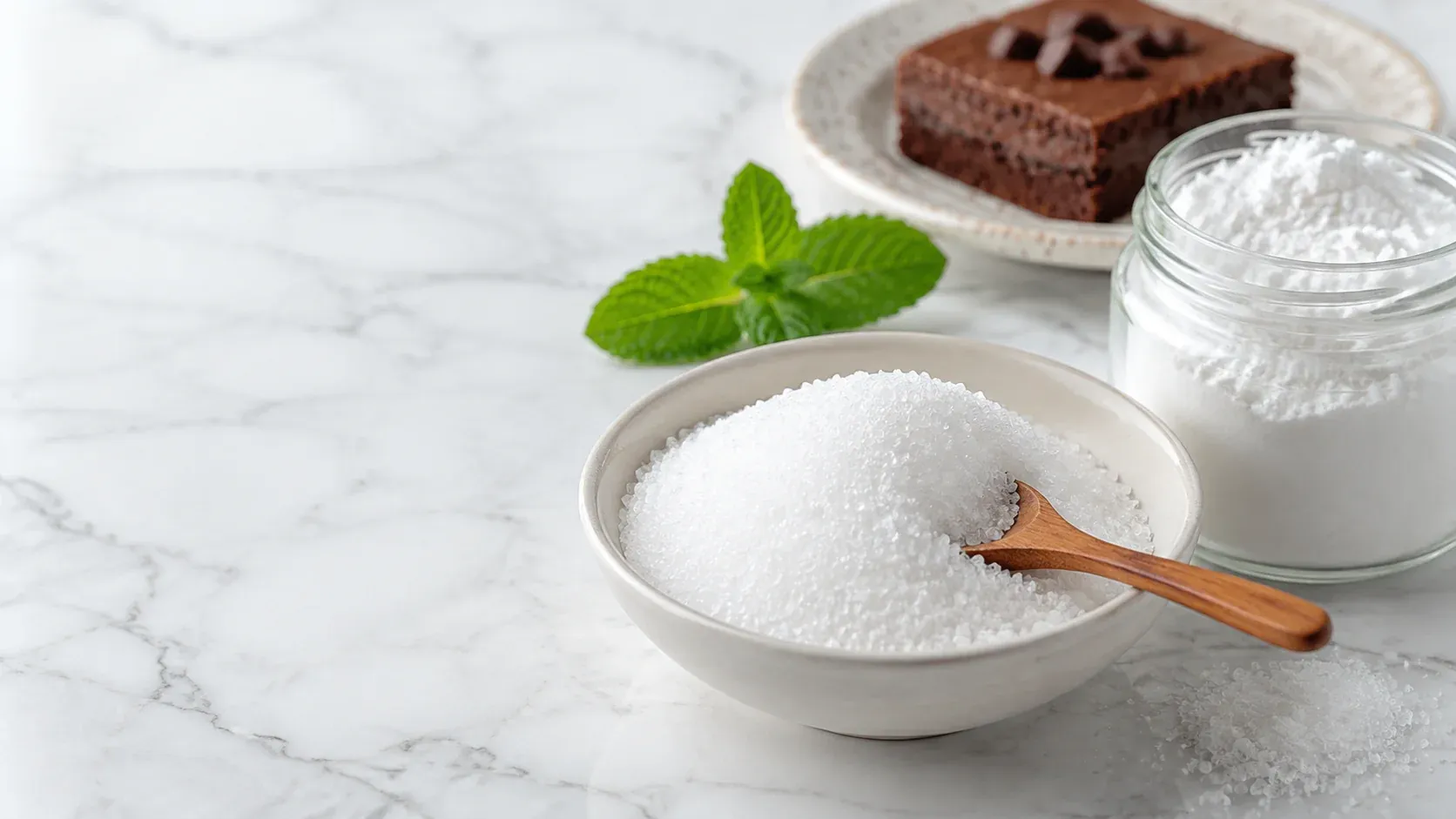
Erythritol is the most widely used sweetener in keto recipes, and for good reason: the sugar alcohol provides only 0.2 kilocalories per gram, has a glycemic index of 0 and triggers no insulin response. Around 90 percent is absorbed in the small intestine and excreted unchanged via the kidneys; the body simply cannot metabolize it (Harvard Nutrition Source). The label may say 100 g of carbohydrate per 100 g, but for keto it counts as 0 g of net carbs. Erythritol has about 70 percent of the sweetness of table sugar, tastes clean without a bitter aftertaste and is tooth-friendly. Since a 2023 study in Nature Medicine linked high blood levels of erythritol with cardiovascular events (PubMed 36849732), the sweetener has been discussed more critically. What to make of that is covered further down.
Is erythritol recommended for keto?
Yes, erythritol is the most practical sweetener for keto because it can be measured and processed like sugar and has no effect whatsoever on blood glucose, insulin or ketone levels. Unlike xylitol (2.4 kilocalories per gram, glycemic index 7 to 13) or maltitol (glycemic index up to 35), blood sugar stays completely flat after erythritol, which studies in healthy volunteers have confirmed repeatedly (PubMed 36678329). 🍬 Our take: Erythritol is a tool, not a staple. It makes sense for cakes, desserts, ice cream, dressings and the occasional coffee, where it replaces sugar 1:1 and rescues recipes that would otherwise not be keto-friendly. Anyone eating 50 g or more of it every day because sweets stay available around the clock misses a central benefit of keto: cravings for sweets fade noticeably after two to four weeks if you stop feeding them constantly. As a rule of thumb, 10 to 30 g on days when you bake or plan a dessert works very well.

How erythritol works in the body
Erythritol is a sugar alcohol with only four carbon atoms, shorter than xylitol or sorbitol. It occurs naturally in pears, melons, grapes, mushrooms and fermented foods such as soy sauce, wine and cheese, but only in milligram amounts. Industrially it is produced by fermenting glucose from corn or wheat starch with yeasts such as Moniliella pollinis and then crystallized. In the body, the following happens: the small molecule is absorbed to about 90 percent already in the small intestine, enters the bloodstream, is broken down by no enzyme and is excreted in the urine within 24 hours. Only the remaining 10 percent reach the large intestine, where bacteria barely ferment it, which is why erythritol causes bloating and diarrhea far less often than xylitol, sorbitol or maltitol. The absence of an insulin release is decisive for keto: ketosis remains untouched. Teeth benefit too, because oral bacteria cannot convert erythritol into acid. In the US, erythritol is generally recognized as safe (GRAS); in the EU it is approved as food additive E968 without a specified maximum level.
Baking and cooking with erythritol
Because erythritol has only 70 percent of the sweetness of sugar, replace 100 g of sugar with about 130 to 140 g of erythritol, or use 100 g and add a few drops of stevia. Ready-made erythritol-stevia or erythritol-monk-fruit blends are already calibrated to 1:1. Three quirks you need to know. First, the cooling effect: erythritol draws heat from its surroundings as it dissolves, which feels cool in the mouth. In ice cream and chocolate that is pleasant, in cakes it does not matter, in creams it can be irritating. Second, recrystallization: erythritol crystallizes again as it cools, so ice cream, caramel and glazes can turn grainy. Powdered erythritol (grind it in a blender) or a share of allulose fixes this. Third: erythritol does not caramelize and does not brown baked goods; cakes stay paler and turn out slightly drier than with sugar. An extra tablespoon of fat or an additional egg compensates. For crème brûlée, erythritol can still be melted into a crust with a torch, it just will not get as dark.

The 2023 heart risk study: what is behind it?
In February 2023, a team from the Cleveland Clinic published a study in Nature Medicine that made headlines (PubMed 36849732). In three cohorts with more than 4,000 people in total, mostly cardiac patients with pre-existing conditions, those with the highest blood levels of erythritol had more heart attacks and strokes over the following three years. In the lab, erythritol increased the reactivity of blood platelets, and in eight healthy volunteers the blood level rose a thousandfold for several hours after a drink containing 30 g of erythritol. What matters is what the study does not show: in the cohorts, nobody recorded who had actually eaten erythritol. The body also produces erythritol itself from glucose via the pentose phosphate pathway, and the more so the more pronounced insulin resistance and obesity are. High blood levels may therefore be a marker of an already disturbed metabolism, not its cause. Proof of causation is still missing; long-term studies are under way. Our conclusion: use erythritol in moderation, not in drinks spread across the day, and talk to your doctor if you have known cardiovascular disease.
Tolerance & side effects
Erythritol is considered the best-tolerated sugar alcohol. In a controlled study, healthy adults tolerated single doses of 20 and 35 g in liquid without notable complaints; only at 50 g did some participants report nausea and rumbling, while diarrhea, unlike with xylitol, did not occur (PubMed 16988647). As a daily guideline, around 0.7 g per kilogram of body weight applies, which is about 50 g for a person weighing 70 kg (155 lb). In solid foods such as cake, tolerance is higher than in drinks. If you are sensitive, start with 10 g and increase slowly. With irritable bowel syndrome, erythritol in small amounts is usually tolerated better than sorbitol or xylitol but can still trigger symptoms. An allergy to erythritol is extremely rare; a few case reports describe hives. For dogs, erythritol, unlike xylitol, is not toxic, a real advantage for households with pets. With fructose intolerance, erythritol is unproblematic because it contains no fructose and does not affect fructose absorption.
Where to buy online or locally
Erythritol is sold in every supermarket, drugstore and health food store, usually on the shelf next to sugar and sweeteners. Prices range from 8 to 15 dollars per pound in small bags, and online in 5 lb bags from about 5 dollars per pound. Three variants make sense: granulated erythritol for doughs and crumbles, powdered erythritol for creams, glazes, ice cream and drinks (or grind it yourself in a high-speed blender) and erythritol blends with stevia or monk fruit, which are dosed 1:1 like sugar and are convenient for cakes. Brown versions with a hint of caramel flavor as a brown sugar substitute and erythritol-allulose blends against recrystallization are also available. Check the origin: organic erythritol is fermented from organic corn or wheat and is guaranteed GMO-free, while conventional erythritol often comes from China. Erythritol keeps practically indefinitely but attracts moisture and clumps, so store it airtight and dry. A tip for beginners: try small bags of two or three brands, because purity and grain size differ noticeably.
Best keto recipes with it
- Crème brûlée with vanilla and erythritol (dessert) - See recipe
- Apple cinnamon cake (coffee time) - See recipe
- New York cheesecake (dessert) - See recipe
- Butter cutout cookies (coffee time) - See recipe
Nutrition values
| Nutrient | Per 100 g |
|---|---|
| Carbohydrates on the label | 100 g (entirely sugar alcohol) |
| Countable net carbs | 0 g |
| Fat | 0 g |
| Protein | 0 g |
| Calories | approx. 20 kcal (0.2 kcal/g) |
| Sweetness | approx. 70 % of table sugar |
| Glycemic index | 0 |
FAQ
Does erythritol count as carbs on keto?
No. The nutrition label lists 100 g of carbohydrate per 100 g because sugar alcohols chemically belong to that group. Erythritol, however, is not metabolized, raises neither blood sugar nor insulin and is excreted in the urine. When calculating net carbs, you subtract erythritol completely. That does not apply to xylitol and maltitol, where half to two thirds are counted.
Will erythritol kick me out of ketosis?
No. Studies show no rise in glucose or insulin after erythritol, and without an insulin response, ketone production stays unchanged. Some people nonetheless report more sugar cravings after erythritol, which is not a metabolic effect but a matter of habit. If you notice that in yourself, save erythritol for baking days instead of daily use.
How much erythritol per day is safe?
Around 0.7 g per kilogram of body weight is considered tolerable, roughly 50 g for a person weighing 70 kg (155 lb), spread across the day. Single doses up to 35 g were tolerated in studies without complaints. Because of the open questions from the 2023 heart risk study, we recommend staying well below that in everyday life and not spreading erythritol across drinks throughout the day.
Erythritol or xylitol: which is better for keto?
Erythritol. It has practically no calories, a glycemic index of 0 and is far better tolerated. Xylitol provides 2.4 kilocalories per gram, raises blood sugar slightly and frequently causes diarrhea from 20 to 30 g. Xylitol does offer the full sweetness of sugar and no cooling effect, which is why some prefer it for chewing gum and dental care. For dogs, xylitol is lethally toxic; erythritol is not.
Is erythritol bad for the heart?
That has not been proven. The 2023 study shows an association between high erythritol blood levels and cardiovascular events in patients with pre-existing conditions, but no proof of causation, and it did not record actual erythritol intake. The body also produces erythritol itself, especially with insulin resistance. Until long-term data are available, moderate use is reasonable for healthy people; anyone with heart disease should discuss it with a doctor.
Keto recipes with Erythritol
58 recipes on KetoWizard use Erythritol. These put the ingredient front and centre.
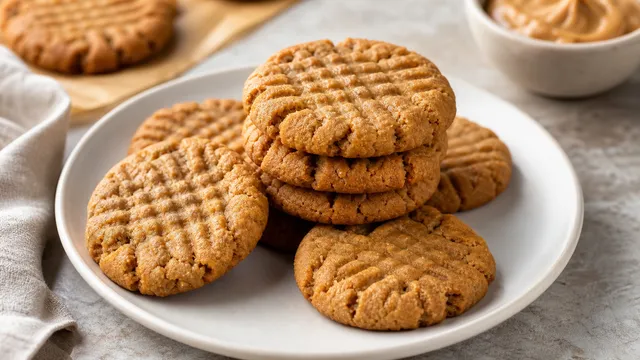
Keto Peanut Butter Cookies with 3 Ingredients
Keto peanut butter cookies with just 3 ingredients: approx. 4 g protein, 1.5 g net carbs and 9 g fat per cookie, crisp cookies without flour, ready in 18 minutes.
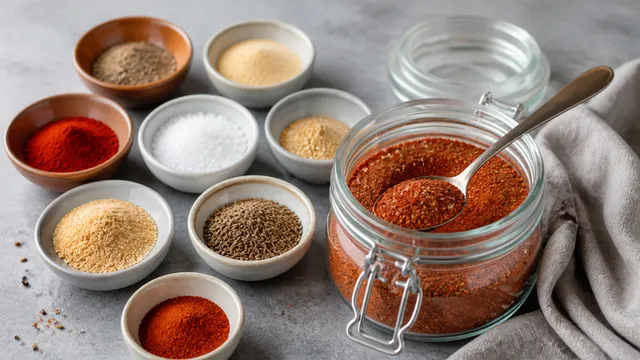
Keto Grill Rub Without Sugar: The Spice Mix for Everything Off the Grate
Keto grill rub without brown sugar: paprika, cumin, mustard seed and erythritol, approx. 0.7 g net carbs per serving - keeps for six months in a jar.
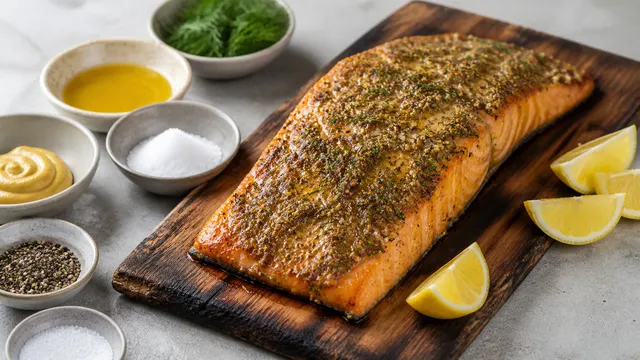
Keto Planked Salmon: Mustard-Dill Crust Instead of Honey Glaze
Keto planked salmon grilled on a wooden plank: dry cure with erythritol instead of sugar, mustard-dill crust, approx. 1 g net carbs and 28 g fat per serving.

Keto Berry Lime Sparkling Lemonade
Homemade keto berry lemonade with raspberry puree, lime and sparkling water: 3 g net carbs, 0 g fat, 15 kcal, a fruity sugar-free summer drink.

Keto Coconut Macaroons with 3 Ingredients
Keto coconut macaroons with just 3 ingredients: approx. 1 g protein, 1 g net carbs and 5 g fat per macaroon. Crisp cookies, no sugar, no flour, gluten-free.
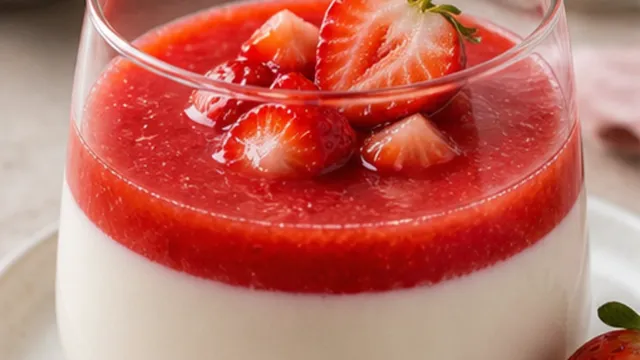
Keto Panna Cotta with Strawberry Sauce
Creamy keto panna cotta with a fresh strawberry sauce instead of sugar: only approx. 4 g net carbs and 37 g fat per serving, prepared in 20 minutes and set in the fridge.
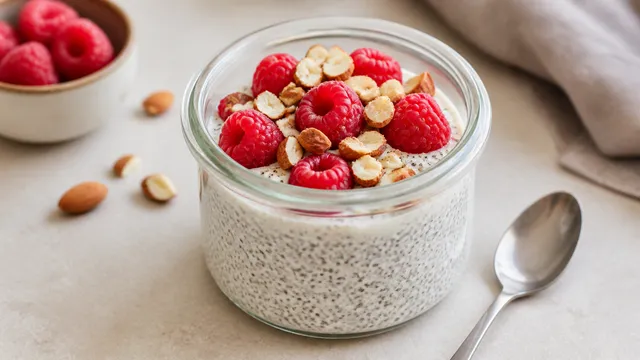
Keto Chia Pudding with Coconut Milk and Berries
Creamy overnight keto chia pudding made with coconut milk: 4 g net carbs, 26 g fat, 9 g fiber. Topped with raspberries and almonds.
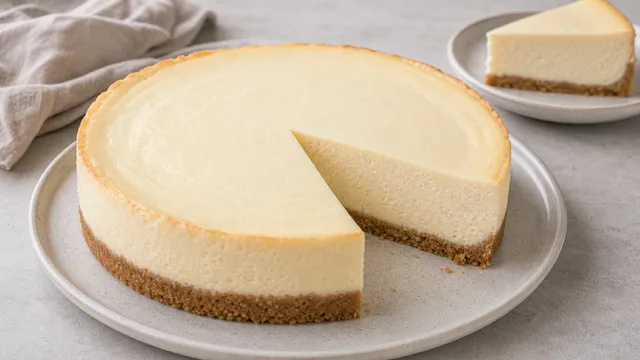
Keto New York Style Cheesecake
Creamy keto New York style cheesecake with an almond flour crust: approx. 8 g protein, 4 g net carbs and 28 g fat per slice, a classic sugar-free cheesecake.

Keto Cream Cheese Cake (No-Bake)
Light no-bake keto cream cheese cake with quark, cream, and an almond flour crust: approx. 9 g protein, 4 g net carbs, and 22 g fat per slice, sugar-free classic.
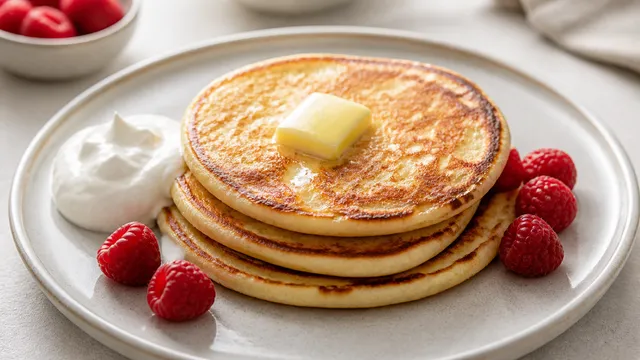
Keto Cream Cheese Pancakes Without Flour
Light keto pancakes made from cream cheese and eggs, just 2 g net carbs and 28 g fat per serving. Flourless and ready in 10 minutes.
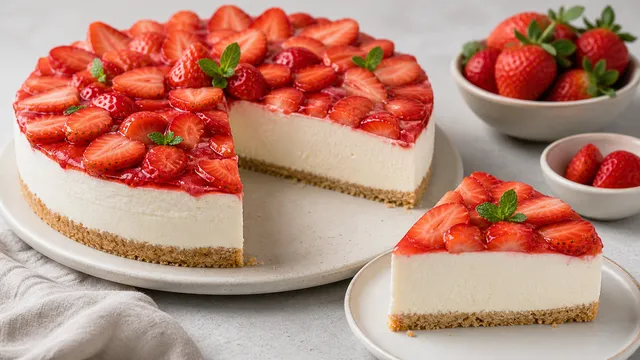
Keto Strawberry Mascarpone Cake (no-bake)
No-bake keto strawberry mascarpone cake with almond flour crust: approx. 5 g protein, 4 g net carbs and 27 g fat per slice - a sugar-free summer classic.

Keto No-Churn Vanilla Ice Cream with an Egg Yolk Base
Keto no-churn vanilla ice cream on an egg yolk base: approx. 2.9 g net carbs and 34.7 g fat per serving - allulose and mascarpone keep it scoopable.