Raspberries: The Most Keto-Friendly Fruit in the Produce Aisle
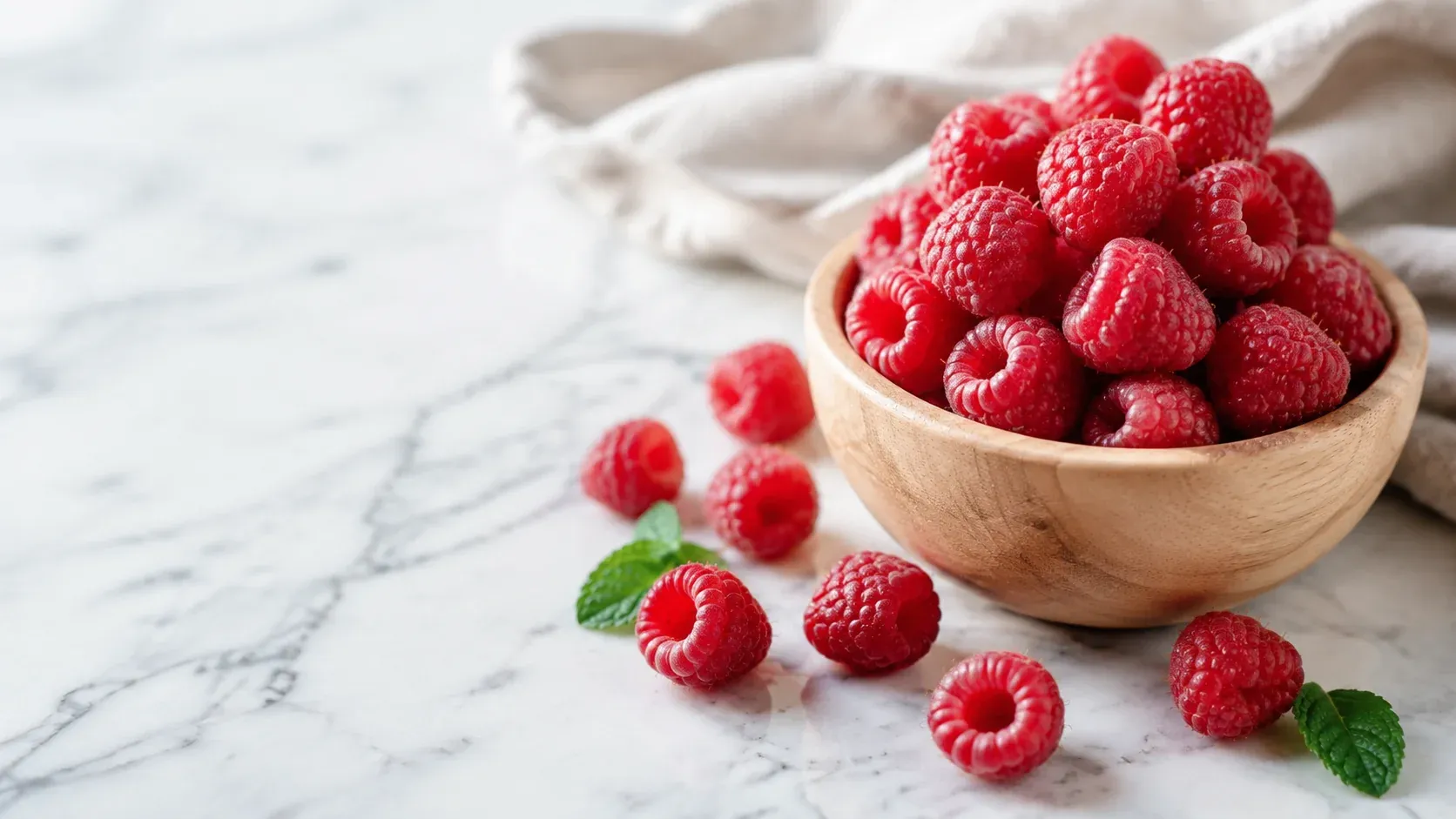
Raspberries, together with blackberries, are the most keto-friendly fruit there is. 100 g contain 11.9 g of carbohydrate, but 6.5 g of that is fiber, leaving only 5.4 g of net carbs (USDA FoodData Central). For comparison, blueberries come to 12 g, an apple to 11 g and a banana to 20 g of net carbs per 100 g. A serving of 60 to 80 g, a generous handful, costs 3 to 4 g of your daily budget and delivers 26 mg of vitamin C, manganese and plenty of ellagitannins and anthocyanins in return. A meta-analysis of randomized trials found more favorable blood sugar and inflammation markers after regular raspberry consumption (PubMed 38860149). If you do not want to give up fruit on keto, this is where to start.
Are raspberries recommended for keto?
Yes, in portions of 50 to 100 g raspberries are the best fruit for keto. The reason is the unusually high fiber content: more than half of the carbohydrates are indigestible fibers from the many small seeds and the fruit wall. The sugar content is only 4.4 g per 100 g, split roughly evenly between fructose and glucose, and the glycemic index is around 25. Blood sugar barely rises after a handful of raspberries, and ketosis is maintained at usual amounts. 🍓 In the fruit comparison: Blackberries (4.3 g of net carbs) and raspberries (5.4 g) lead, strawberries (5.7 g) follow closely. Blueberries, cherries, apples and grapes sit at 12 to 16 g and blow the budget quickly with one serving; bananas at 20 g are off limits on keto. Raspberries suit desserts, breakfast, shakes and work as a fresh contrast to cheese and nuts. At 52 calories per 100 g they are also low in calories, an extra advantage when using keto to lose weight.

Fiber, vitamin C and ellagitannins
The 6.5 g of fiber per 100 g make raspberries one of the highest-fiber fruits of all, far more than apples (2.4 g) or blueberries (2.4 g). On keto, where grains and legumes fall away, that is a real contribution to digestion. With 26 mg of vitamin C, a 100 g serving covers about a quarter of the daily requirement (NIH ODS Vitamin C), plus 0.7 mg of manganese, vitamin K, folate and 151 mg of potassium. The red color comes from anthocyanins; the seeds and flesh supply ellagitannins, which gut bacteria convert into urolithins. A comprehensive review in Advances in Nutrition (PubMed 26773014) links these polyphenols with effects on insulin sensitivity, vascular function and inflammation markers, mostly from animal and smaller human studies. Raspberry ketone, marketed as a fat burner, occurs in the fruit only in traces; the supplements are synthetic and have nothing to do with a handful of berries.
How many raspberries fit into a keto day?
Count on around 5 g of net carbs per 100 g and plan the portion around your daily limit. On strict keto with 20 g of net carbs, 50 to 80 g of raspberries (3 to 4 g) is a sensible daily portion that still leaves room for vegetables. With a 30 to 50 g daily limit, 100 to 150 g fit. A 6 oz clamshell from the supermarket (170 g) comes to about 9 g of net carbs, a 12 oz pack to 18 g, which is too much as a single portion for most keto days. It helps to combine raspberries with fat and protein: in quark, skyr, cream or chia pudding, the already flat blood sugar curve is smoothed further and the portion keeps you full longer. If you measure your ketosis, you can test your personal tolerance: 100 g of raspberries at breakfast, then check ketones in blood or breath two hours later. For most people nothing changes. Frozen raspberries have the same values as fresh and can be portioned to the gram.

What pairs well with it?
Raspberries are the keto fruit for sweets without sugar. For breakfast they go into chia pudding with coconut milk, into skyr or cottage cheese with walnuts, onto coconut flour pancakes and into an almond flour clafoutis. As a dessert, think raspberry quark mousse, Bavarian cream, panna cotta with raspberry sauce (simmer berries with a little erythritol and press through a sieve) or raspberry coconut popsicles. In a drink, a few crushed raspberries with basil or mint in sparkling water make a sugar-free lemonade. On the savory side, raspberries surprise in a salad with goat cheese, arugula and walnuts, or as a vinaigrette of puréed berries, olive oil and Dijon mustard with duck breast. And the classic pairing with chocolate survives: raspberries with melted dark chocolate at 85 percent or more, with mascarpone, or baked into keto brownies. Cream, cream cheese and mascarpone are the ideal partners because the fat rounds off the acidity of the berries and makes the portion more filling.
Pros & cons of organic
Pros: Raspberries rank among the fruits with the highest pesticide residues in conventional farming because they are sprayed directly without a peel and, being delicate, are treated intensively against fungi and insects. Food safety monitoring regularly finds multiple residues on conventional raspberries, usually below legal limits. Organic raspberries are grown without synthetic pesticides, and because raspberries cannot be peeled, the difference is more relevant here than with avocado or onions. Cons: Organic raspberries often cost twice as much, spoil even faster and in winter are available almost only frozen or as imports from Mexico, Spain, Morocco or Portugal. A compromise: buy regional organic berries during the summer season from June to September or pick your own, and rely on organic frozen raspberries for the rest of the year, which are better suited for quark, shakes and desserts anyway. Organic frozen berries usually cost only 4 to 6 dollars per pound and are therefore even cheaper than conventional fresh ones.
Intolerances & allergens
Raspberries are classified as low-FODMAP up to about 60 g per serving and are usually well tolerated with irritable bowel syndrome; larger amounts can cause bloating through fructose and fiber. With fructose malabsorption, raspberries at 2.4 g of fructose and a balanced glucose-to-fructose ratio are one of the most tolerable fruits, but should still be tested in small amounts. Raspberries contain relatively high levels of salicylates; with salicylate sensitivity, flushing, a runny nose or headaches can occur. With histamine intolerance, raspberries are considered histamine liberators and are not tolerated by some sufferers. A true raspberry allergy is rare; cross-reactions in birch pollen allergy sufferers are possible, usually as mild tingling in the mouth. The many small seeds are harmless; the old advice to avoid berry seeds with diverticulosis is now considered outdated. Important for everyone: rinse raspberries only briefly and gently under running water before eating, never soak them, or they turn mushy and lose vitamin C. Thaw or briefly heat frozen raspberries before eating them raw, as raw frozen berries can in rare cases transmit viruses such as norovirus.
Where to buy online or locally
Fresh raspberries are in season from June to September in the northern hemisphere, often straight from growers, at farmers markets and pick-your-own farms, where the price per pound is far below the supermarket. Out of season they come from Mexico, California, Spain, Portugal or Morocco and quickly cost 4 to 6 dollars per 6 oz clamshell. Look for plump, dry, evenly colored berries without juice stains at the bottom of the container and without any mold, because one moldy berry spoils the whole pack within a day. Fresh raspberries keep in the fridge for only 1 to 2 days, unwashed and loose in the container. For keto, frozen raspberries are the more practical choice: available year-round, from about 3 dollars per pound, portionable to the gram and nutritionally equivalent because they are flash-frozen shortly after harvest. Ideal for quark, shakes, chia pudding, sauces and ice cream. Freeze-dried raspberries are concentrated and contain around 40 g of net carbs per 100 g, so a few grams as a topping are enough. Online, organic retailers and frozen food delivery services ship larger packs to your door.
Best keto recipes with it
- Mascarpone raspberry breakfast (breakfast) - See recipe
- Chia pudding with coconut milk and berries (breakfast) - See recipe
- No-bake cheesecake bites (snack) - See recipe
- Kefir drink with berries (drink) - See recipe
Nutrition values
| Nutrient | Per 100 g |
|---|---|
| Net carbs | 5.4 g (11.9 g total, 6.5 g fiber) |
| of which sugar | 4.4 g |
| Fat | 0.7 g |
| Protein | 1.2 g |
| Calories | 52 kcal |
| Vitamin C | 26 mg |
| Fruit | Net carbs per 100 g |
|---|---|
| Blackberries | 4.3 g |
| Raspberries | 5.4 g |
| Strawberries | 5.7 g |
| Apple | 11 g |
| Blueberries | 12 g |
| Banana | 20 g |
FAQ
How many carbs are in a handful of raspberries?
A generous handful is about 60 to 80 g and delivers 3 to 4 g of net carbs, plus 4 to 5 g of fiber and only around 35 calories. A 6 oz clamshell from the supermarket comes to about 9 g of net carbs. For comparison: the same amount of blueberries would have 20 g, a medium banana more than 20 g.
Will raspberries kick me out of ketosis?
In portions up to 100 g, normally not. The low sugar content of 4.4 g per 100 g and the high fiber keep blood sugar flat and the insulin response small. Combined with fat and protein, for example in quark or cream, the effect is even smaller. At 250 g and more in one sitting it gets tight, though, especially with a daily limit of 20 g.
Are frozen raspberries as good as fresh?
Yes. Frozen raspberries are flash-frozen a few hours after harvest and largely retain their fiber, vitamin C and polyphenols. The net carbs are identical. For keto they are even more practical because they are available year-round, cheaper and can be portioned to the gram. Only for eating raw should they be thawed or briefly heated, and for salads or decoration fresh berries are better because of their shape.
Which other fruits are keto-friendly besides raspberries?
Blackberries at 4.3 g and strawberries at 5.7 g of net carbs per 100 g are equivalent alternatives. Avocado and olives are botanically fruits too and ideal at under 2 g. Rhubarb, lemon juice, limes and small amounts of red currants or gooseberries also fit. Blueberries only in portions up to 50 g; pome fruit, stone fruit, grapes, bananas and dried fruit are out on keto.
Keto recipes with Raspberries
8 recipes on KetoWizard use Raspberries. These put the ingredient front and centre.

Keto Berry Lime Sparkling Lemonade
Homemade keto berry lemonade with raspberry puree, lime and sparkling water: 3 g net carbs, 0 g fat, 15 kcal, a fruity sugar-free summer drink.

Keto Berries & Lavender Spritz - Fizzy, Fruity & Sugar-Free
Keto berries and lavender spritz: a sparkling raspberry drink with lavender and just 2 g net carbs per glass. Ready in 5 minutes, perfect for guests.
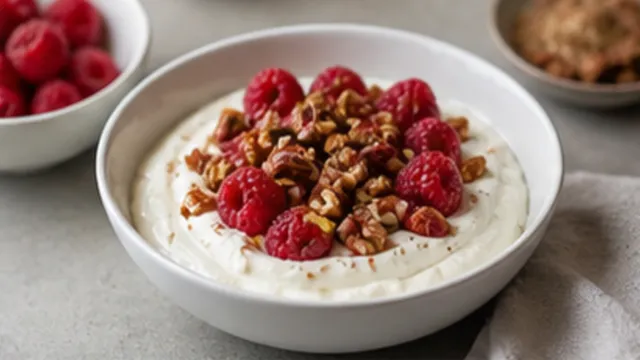
Keto Mascarpone Raspberry Breakfast
Sweet keto breakfast with mascarpone, raspberries and pecans, 4 g net carbs, 42 g fat, ready in 5 minutes. Like a light dessert.
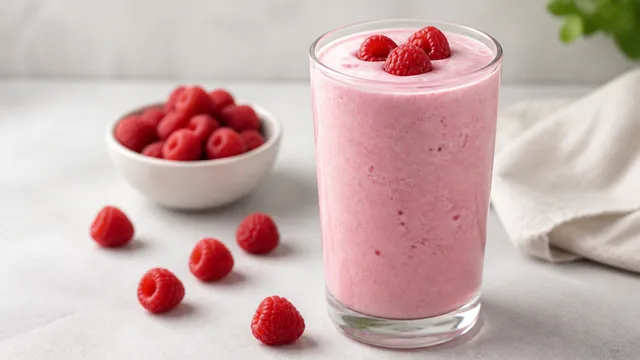
Keto Kefir Drink with Berries
Probiotic keto kefir drink with berries, vanilla, and erythritol: 5 g net carbs, 9 g fat, 6 g protein, ready in 4 minutes, creamy and tangy.
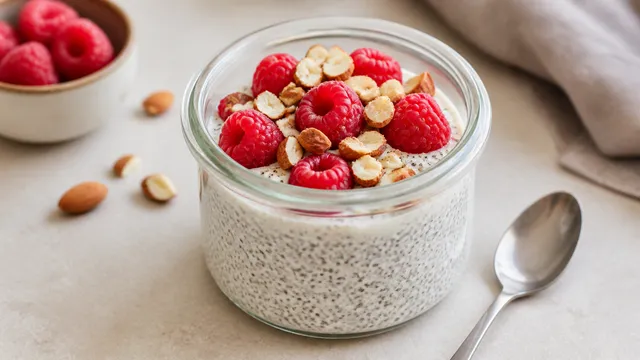
Keto Chia Pudding with Coconut Milk and Berries
Creamy overnight keto chia pudding made with coconut milk: 4 g net carbs, 26 g fat, 9 g fiber. Topped with raspberries and almonds.
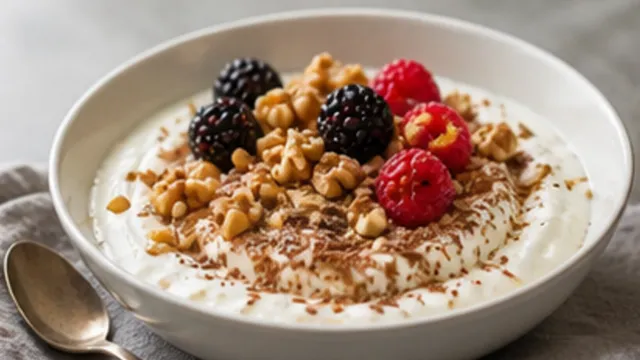
Keto Coconut Yogurt with Walnuts and Flaxseed
Dairy-free keto yogurt made from coconut milk with walnuts and flaxseed: 4 g net carbs, 32 g fat, 6 g fiber. Ready in 5 minutes.

Keto Cream Cheese Pancakes Without Flour
Light keto pancakes made from cream cheese and eggs, just 2 g net carbs and 28 g fat per serving. Flourless and ready in 10 minutes.

Keto No-Bake Cheesecake Bites
Keto no-bake cheesecake bites: approx. 7 g protein, 2 g net carbs and 30 g fat per 2 pieces - no baking needed, ready in 15 minutes plus 1 hour chilling.