Coconut Oil: The Keto Fat with an MCT Bonus
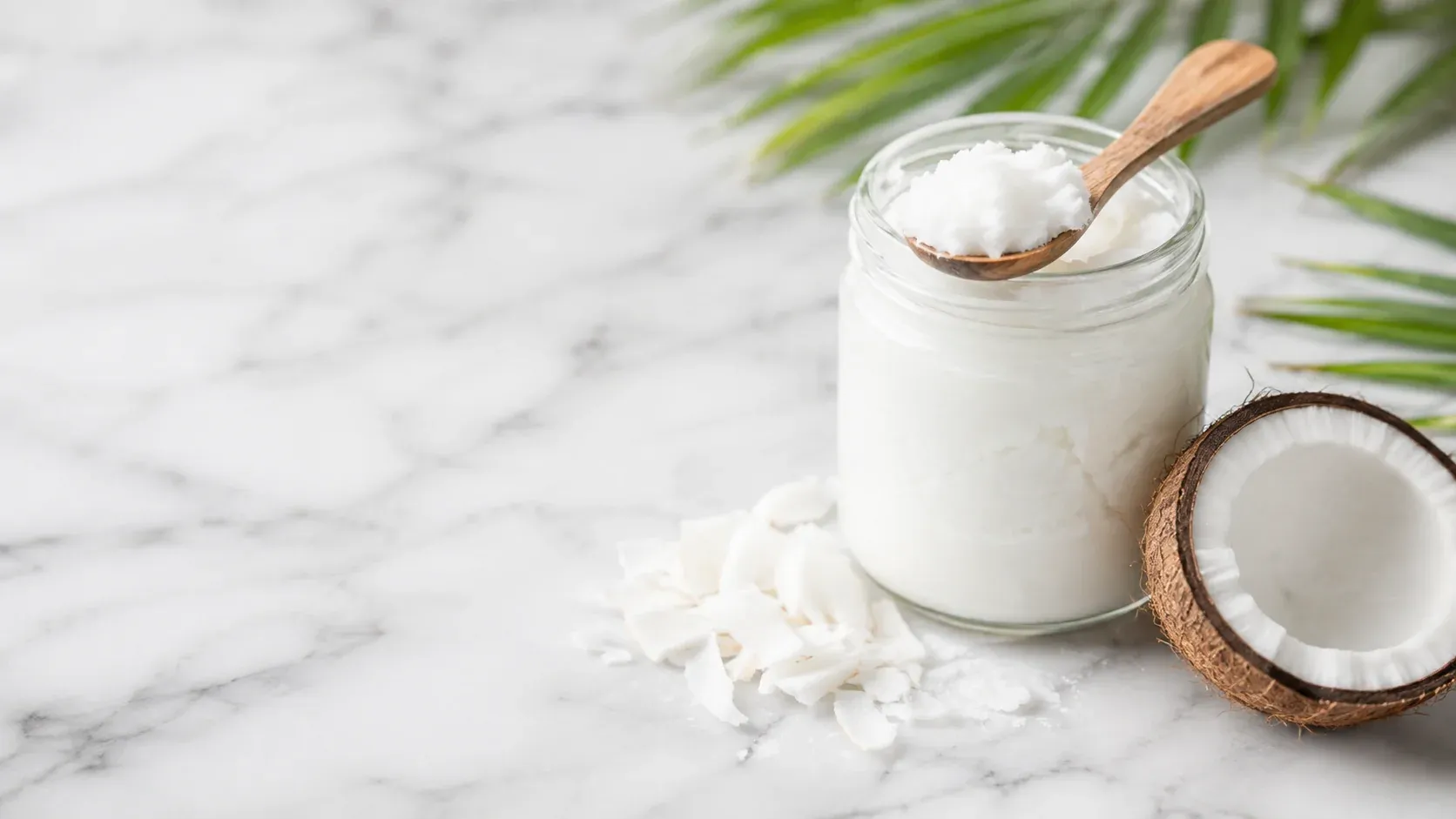
Coconut oil is 100 percent fat and contains zero carbohydrates, which makes it the perfect keto food on paper. What makes it interesting is the composition: around 83 percent of its fatty acids are saturated, including about 42 percent lauric acid and roughly 13 percent true medium-chain triglycerides (MCT) with 8 and 10 carbon atoms (USDA FoodData Central). These MCTs travel via the portal vein straight to the liver, where they are preferentially converted into ketone bodies, which can support the transition into ketosis (PubMed 35911092). At the same time, coconut oil raises LDL cholesterol more than olive oil, as a meta-analysis of 16 trials shows (PubMed 31928080). The honest verdict: coconut oil is a good frying and baking fat for keto, but not a miracle cure to eat by the spoonful.
Is coconut oil recommended for keto?
Yes, in moderation. Coconut oil provides 892 calories and 100 g of fat per 100 g; one tablespoon (about 14 g) is roughly 125 calories without a single gram of carbohydrate. For keto it is a clean energy source that turns vegetables, eggs and meat into a ketogenic meal. Its advantage over butter: coconut oil is free of lactose and milk protein, vegan and solid at room temperature, which makes it ideal for fat bombs, energy balls and homemade chocolate. 🥥 Important: The much-advertised MCT effect is real but smaller than the marketing suggests. Only the fatty acids C8 (caprylic acid) and C10 (capric acid) are rapidly metabolized into ketones, and they make up just about 13 percent of coconut oil. Lauric acid (C12) behaves mostly like a long-chain fatty acid in the body. If you specifically want to raise ketones, pure MCT oil is far more effective. As an everyday fat we recommend coconut oil alongside olive oil and butter, not instead of them.

MCT, lauric acid and ketones: what is really inside?
Medium-chain triglycerides (MCTs) have fatty acids with 6 to 12 carbon atoms. They need no bile acids for digestion, are not packaged into chylomicrons and travel via the portal vein directly to the liver. There they are oxidized and partly converted into beta-hydroxybutyrate and acetoacetate, the two main ketone bodies. This happens regardless of whether you are already in ketosis, which is why MCTs can raise blood ketone levels within one to two hours. Coconut oil contains about 7 g of caprylic acid (C8) and 6 g of capric acid (C10) per 100 g, the two most ketogenic fatty acids. Lauric acid (C12), at around 42 g, is formally counted among the MCTs but is mostly absorbed via the slow lymphatic route. One tablespoon of coconut oil therefore contains just under 2 g of the fast MCTs, whereas one tablespoon of pure MCT oil contains 14 g. For easing into keto or fighting an afternoon slump, coconut oil is a gentle helper; for measurable ketone increases you need MCT oil.
Cooking, frying, baking: smoke point and uses
Thanks to its high share of saturated fatty acids, coconut oil is very heat-stable and barely oxidizes during frying. Virgin coconut oil (cold-pressed, unrefined) has a smoke point of about 350 °F (175 °C) and a distinct coconut flavor; it suits curries, Asian stir-fries, pancakes and anything sweet. Refined coconut oil is flavor-neutral and tolerates 400 to 450 °F (200 to 230 °C), so it also handles searing and deep-frying. In baking, coconut oil replaces butter 1:1 in keto brownies, coconut flour pancakes or almond cakes. Because it solidifies below 76 °F (24 °C), cold ingredients such as eggs straight from the fridge should come to room temperature first, otherwise the oil clumps in the batter. In coffee, coconut oil together with butter makes the well-known butter coffee. A spoonful in a smoothie adds satiety. It is unsuitable for salad dressings because it solidifies immediately in the fridge; olive oil remains the right choice there.

Pros & cons of organic
Pros: Organic coconut oil comes from plantations without synthetic pesticides and artificial fertilizer, which matters mainly for soils and groundwater in the growing countries of the Philippines, Indonesia, Sri Lanka and India. Many organic brands are also Fairtrade-certified, which guarantees smallholders fixed purchase prices. Virgin organic coconut oil is usually cold-pressed gently from fresh coconut flesh rather than extracted from dried copra, and tastes fresher as a result. Cons: Organic coconut oil costs roughly 10 to 20 dollars per pound, while conventional refined coconut oil starts at around 4 dollars. Since coconut oil rarely contains residues anyway (the fat sits protected inside the nut), the health benefit of organic is small here, while the ecological benefit is large. On climate footprint, every coconut oil scores worse than regional canola oil or butter because of transport. Organic or not: look for the words cold-pressed and virgin if you want the coconut aroma, and refined or deodorized if it should be neutral.
Intolerances, criticism & side effects
A true coconut allergy is very rare; coconut is botanically not a nut, and people with tree nut allergies usually tolerate coconut oil without problems. Because refined oil contains practically no protein, the risk is low even with a known coconut allergy. More common are digestive complaints: taking too much coconut oil or MCT too quickly causes diarrhea, cramps and nausea. Start with one teaspoon a day and increase over two weeks. The main point of criticism is cholesterol: the meta-analysis in Circulation (PubMed 31928080) shows that coconut oil raises LDL cholesterol by an average of 10 mg/dL more than plant oils rich in unsaturated fats, while HDL also rises. Anyone with elevated LDL, familial hypercholesterolemia or cardiovascular disease should use coconut oil sparingly and rely on olive oil, avocado and nuts as main fat sources. For healthy people, one to two tablespoons a day within a ketogenic diet is unproblematic, provided blood lipids are checked regularly.
Where to buy online or locally
Coconut oil is sold in every supermarket, health food store and drugstore, usually in glass jars of 14 to 32 oz. Discount chains now stock virgin organic coconut oil permanently at around 5 to 8 dollars per jar. Read the label: virgin or extra virgin means cold-pressed oil with coconut flavor, refined or deodorized means the flavor-neutral version. Solid coconut shortening from the baking aisle is usually refined, sometimes partially hydrogenated coconut fat; carb-free for keto but flat in taste. Online, organic retailers offer 1-gallon tubs at much lower prices, which pays off because coconut oil keeps for 18 to 24 months when stored cool and dark. It does not need refrigeration, but it turns liquid at room temperature in summer; that is normal and harmless. Signs of spoiled oil are a rancid, soapy smell or yellowish discoloration. If you are mainly after the ketone effect, buy pure MCT oil made from C8 and C10 instead, also available in health food stores and online.
Best keto recipes with it
- Butter coffee with MCT oil (breakfast) - See recipe
- Peanut butter chocolate fat bombs (snack) - See recipe
- Broccoli almond curry with coconut milk (dinner) - See recipe
- Cinnamon almond balls (snack) - See recipe
Nutrition values
| Nutrient | Per 100 g |
|---|---|
| Net carbs | 0 g |
| Fat | 100 g (83 g saturated) |
| MCT (C8 + C10) | approx. 13 g |
| Lauric acid (C12) | approx. 42 g |
| Protein | 0 g |
| Calories | 892 kcal |
FAQ
How much coconut oil can I eat per day on keto?
One to two tablespoons a day is a sensible range for healthy adults, which equals 125 to 250 calories of pure fat. Coconut oil should be one of several fat sources, not the only one. Olive oil, avocado, nuts and fatty fish provide unsaturated fats with a more favorable effect on LDL cholesterol. If you are new to coconut oil, start with one teaspoon to avoid digestive upset.
Does coconut oil get me into ketosis faster?
A little. The roughly 13 percent C8 and C10 fatty acids in coconut oil are converted directly into ketone bodies in the liver and can raise ketone levels slightly. The effect is much smaller than with pure MCT oil, which consists entirely of these fatty acids. What decides ketosis is keeping carbohydrates below 20 to 30 g per day; coconut oil is only a support.
Is coconut oil healthier than butter?
Both consist mainly of saturated fatty acids and raise LDL cholesterol to a similar degree. Coconut oil has the advantage of being free of lactose and milk protein and contains more MCTs. Butter in turn provides vitamin A, K2 and butyrate. From a heart health perspective, olive oil and canola oil beat both. For keto, coconut oil and butter are equivalent frying fats that are easy to alternate.
What is the difference between coconut oil and MCT oil?
MCT oil is extracted from coconut or palm kernel oil and contains only the medium-chain fatty acids C8 and C10, sometimes C8 alone. It is flavor-neutral, stays liquid even in the fridge and raises ketone levels much more strongly than coconut oil. It is unsuitable for frying because its smoke point is only around 320 °F (160 °C). Coconut oil is the all-round kitchen fat, MCT oil the targeted keto supplement for coffee, shakes and dressings.
Keto recipes with Coconut Oil
17 recipes on KetoWizard use Coconut Oil. These put the ingredient front and centre.

Keto Fat Bombs with Peanut Butter and Chocolate
Classic keto fat bombs with peanut butter, coconut oil and 85 percent chocolate: only 2 g net carbs and 18 g fat each, prepared for chilling in 10 minutes.
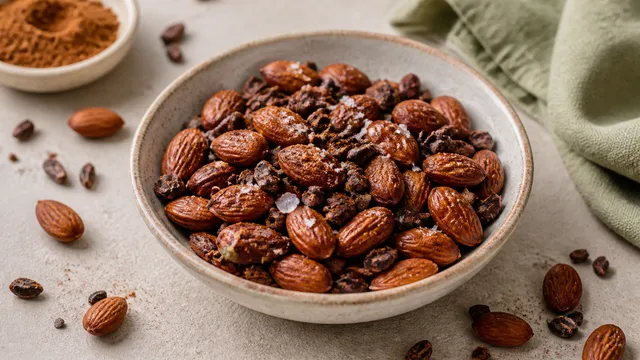
Keto Almond Cacao Nib Sea Salt Snack Mix
Keto snack mix with almonds, cacao nibs, and sea salt, approx. 4 g net carbs and 16 g fat per serving. Magnesium from almonds and cacao, ready in 5 minutes.
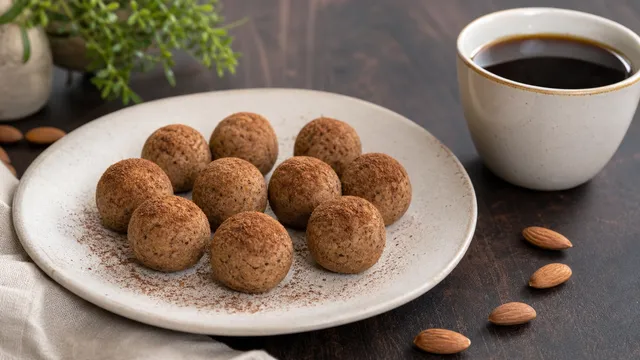
Keto Cinnamon Almond Balls: No-Bake Low-Carb Coffee Bites
Keto cinnamon almond balls without baking: ground almonds, almond butter, coconut oil and erythritol, approx. 7 g protein, 2 g net carbs and 25 g fat per 2 balls.
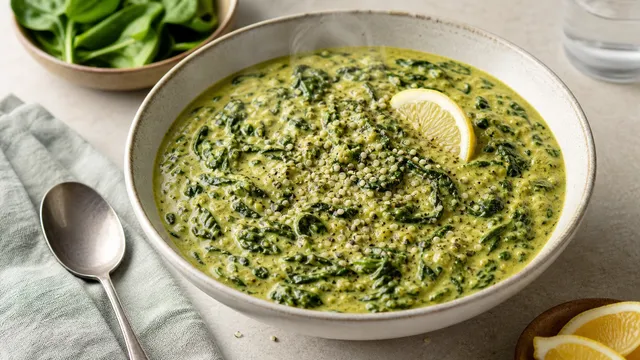
Keto Spinach Coconut Dal - Vegan, Warming & Filling
Vegan keto spinach coconut dal: creamy lentil-free dal with coconut milk, spinach, turmeric and hemp seeds. Only 6 g net carbs, 38 g fat, ready in 20 min.
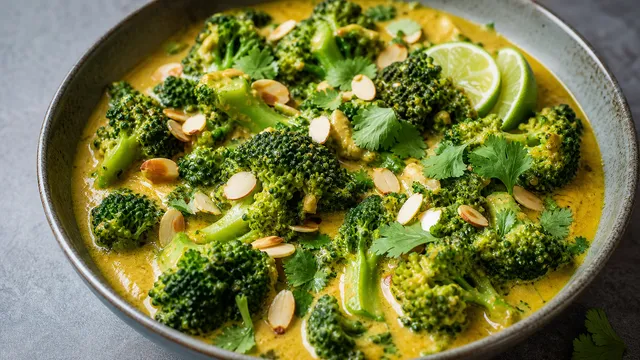
Keto Broccoli Almond Curry with Coconut Milk
Vegan keto broccoli almond curry: broccoli and almond butter in a creamy coconut milk sauce with curry paste and ginger, only 7 g net carbs, 40 g fat, in 20 min.
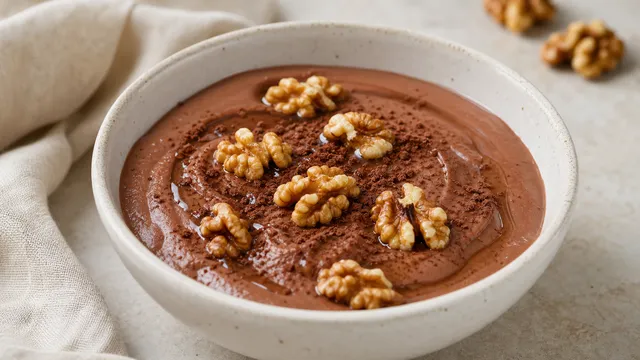
Keto Skyr Walnut Cocoa Bowl – Creamy Breakfast in 2 Minutes
Keto skyr bowl with walnuts and cocoa: just 5 g net carbs and 20 g fat, ready in 2 minutes. Tastes like dessert, works for breakfast.
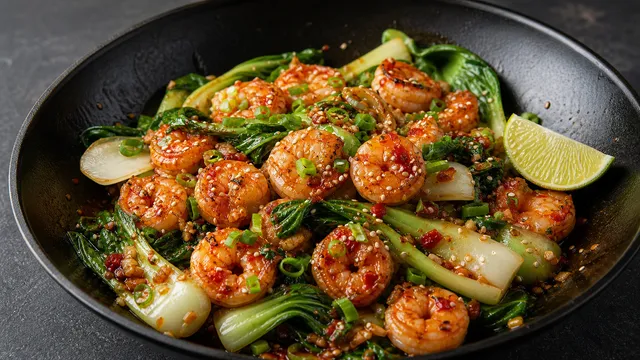
Keto Shrimp with Sambal and Bok Choy
Keto shrimp with sambal oelek and bok choy: spicy and savory, 5 g net carbs, 22 g fat, 24 g protein. Asian-style stir-fry ready in 15 minutes.

Keto Turmeric Coconut Golden Tonic - warm, creamy & anti-inflammatory
Keto turmeric coconut golden tonic: golden milk with coconut milk, turmeric and black pepper - 2 g net carbs, 10 g fat, ready in 5 minutes.
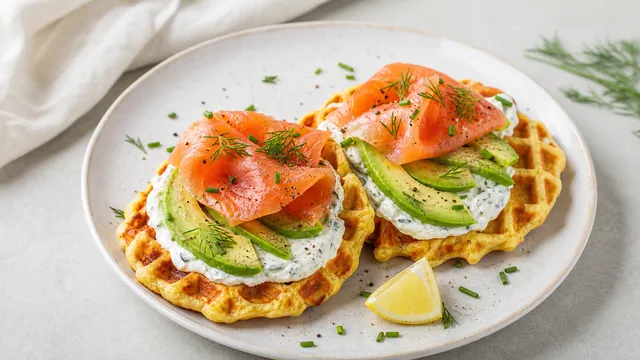
Savory Keto Breakfast Waffles with Avocado and Salmon
Savory keto breakfast waffles with almond flour, avocado, and smoked salmon: no sugar, about 4 g net carbs and 31 g fat per serving.

Keto Pecan Pralines with a Salted Caramel Note
Keto pecan pralines with salted caramel: approx. 1 g protein, 1 g net carbs and 8 g fat per praline. A fat bomb with 85% chocolate, sugar-free, ready in 25 minutes.
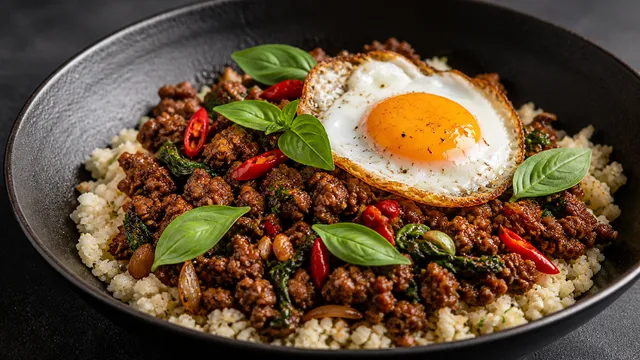
Keto Thai Basil Beef (Pad Krapao)
Keto Thai basil beef in the style of Pad Krapao: 4 g net carbs, 26 g fat, 30 g protein per serving. Spicy, aromatic, and ready in 15 minutes.
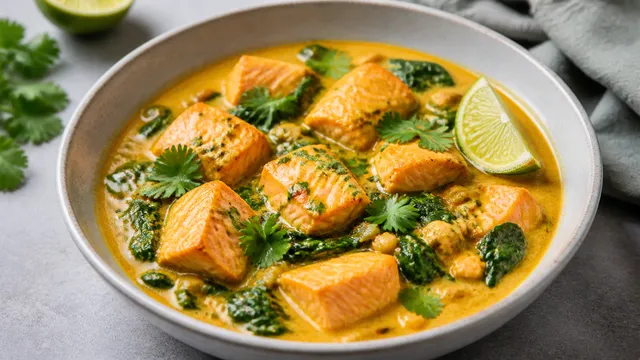
Keto Salmon Curry with Coconut Milk and Spinach
Creamy salmon curry with coconut milk and baby spinach, approx. 5 g net carbs and 48 g fat. Ready in 25 minutes with frozen salmon; fresh works just as well.