Olive Oil: The Liquid Gold of Ketosis
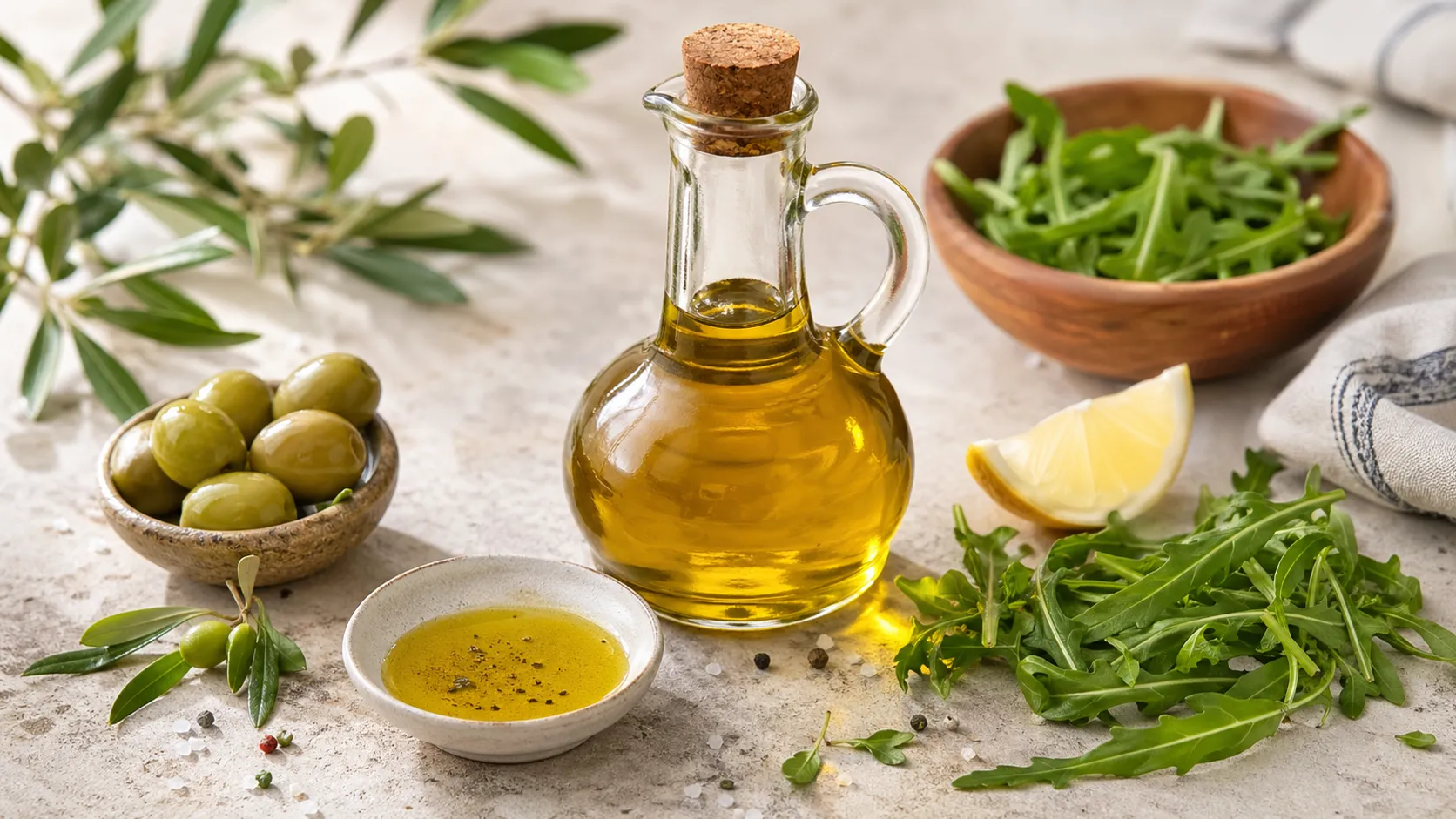
Extra virgin olive oil, with 100 g of fat per 100 g and 884 kcal, is one of the purest sources of fat in the keto diet (USDA FoodData Central). It contains roughly 73 percent monounsaturated fats, mostly oleic acid, along with a broad range of polyphenols such as oleocanthal and hydroxytyrosol. A large meta-analysis in Cell Metabolism documented its positive influence on inflammation markers and aging processes (PMC10004251). With zero carbs and zero protein, olive oil fits every keto profile while also supporting cardiovascular health through the Mediterranean dietary tradition.
Is It Recommended for Keto?
Extra virgin olive oil sits at the very top of the list of recommended keto fats. It delivers zero carbs, 100 g of fat per 100 g and is rich in polyphenols, which according to a meta-analysis in Cell Metabolism (PMC10004251) can have anti-inflammatory effects. One tablespoon (about 13 g) covers around 13 g of fat and 120 kcal, ideal for finishing salads or soups. Cooking tip: Extra virgin olive oil has a smoke point of roughly 190 to 210 degrees Celsius (375 to 410 F), depending on polyphenol content. For medium heat (pan at 160 to 180 C / 320 to 355 F) it is perfectly suited; for high-heat searing above 220 C (430 F) you should choose ghee, coconut oil or avocado oil. On salads or cold dishes the aroma comes through best and the heat-sensitive antioxidants are preserved.
What Pairs Well With It?
Olive oil is the universal keto companion for Mediterranean dishes. Drizzled over fresh arugula with shaved Parmesan, pine nuts and a squeeze of lemon, it creates a salad with under 5 g of net carbs per serving. With halved cherry tomatoes (in moderate amounts, around 50 to 70 g) the meal stays under 4 g of carbs. Over feta cheese or mozzarella with basil and black pepper, it becomes a classic Caprese salad delivering 25 to 30 g of fat per serving. As a finish over salmon fillet or pan-fried trout, it further boosts the omega-3 profile. Olive oil pairs excellently with garlic, lemon, fresh herbs such as oregano, thyme or rosemary, and can be whisked into a quick vinaigrette with Dijon mustard. Another classic: a bowl of olive oil with sea salt and pepper as a bread-dip substitute for keto bread or crispbread alternatives.
Pros & Cons of Organic
With olive oil, the quality grade often matters more than the organic label: 'Extra virgin olive oil' is the highest grade, cold-pressed and produced without chemical treatment. Advantages of organic extra virgin: No use of synthetic pesticides on the olive trees, lower residues in the finished product and usually a higher polyphenol content (200 to 500 mg per kg) compared to conventional products (100 to 300 mg per kg). Polyphenols are the valuable antioxidants that, according to PMC10004251, can have a positive influence on cellular aging. Disadvantages: Good organic olive oil costs 15 to 30 euros per liter, versus 6 to 12 euros for conventional supermarket products. Look for origin indications such as 'Olive Spain' (Andalusia), Italy (Sicily, Puglia) or Greece (Crete), not vague blends like 'olive oil from EU and non-EU countries'. The harvest year and the bottling date should both be stated, ideally less than 12 months old.
Intolerances & Allergens
Olive oil allergies are extremely rare: only isolated case reports are documented in the scientific literature, usually caused by residual proteins in unrefined oil. For the vast majority of the population, olive oil is very well tolerated. It is naturally lactose-free, gluten-free and vegan, and contains no nuts or soy proteins. People with birch pollen allergy could theoretically show a very mild cross-reaction, since olive tree pollen is related to birch pollen, but the oil itself no longer contains any relevant pollen proteins. In very sensitive individuals or those with chronic inflammatory bowel conditions, the polyphenol content can cause a slight 'throat scratch' when tasting; this is actually a quality marker: high-quality olive oils with plenty of polyphenols scratch slightly because they contain oleocanthal, which has an anti-inflammatory effect similar to ibuprofen.
Where to Buy Online or Locally
High-quality olive oil is best bought directly from the producer or at a specialty store, not from the mass-market discounter. Quality criteria: Dark glass bottle (protects from UV light), harvest year and bottling date stated (ideally less than 12 months old), acidity below 0.8 percent (mandatory for 'extra virgin'), polyphenol content declared (preferably above 300 mg per kg). Recommended sources: olive mills directly in Italy, Spain or Greece that ship internationally (e.g. Castillo de Canena, Pianogrillo, Terra Creta). In English-speaking markets, specialty grocers, organic supermarkets and dedicated online shops offer a good selection. Look for the 'D.O.P.' or 'P.D.O.' seal indicating protected designation of origin. With supermarket products, it is worth checking premium store-brand lines that sometimes offer very good organic quality at a fair price (10 to 14 euros per liter). Store opened bottles cool, dark and for no longer than 6 months.
Best Keto Recipes Using It
- Halloumi Arugula Salad (lunch)
- Salmon Fillet with Asparagus (dinner)
Nutrition values
| Nutrient | Per 100 g |
|---|---|
| Net carbs | 0 g |
| Fat | 100 g |
| Protein | 0 g |
| Calories | 884 kcal |
FAQ
Can I use olive oil to sear steak?
For high-heat searing at 220 to 250 C (430 to 480 F), you should choose ghee, avocado oil or coconut oil, since olive oil reaches its smoke point above 210 C (410 F) and polyphenols break down. For low-temperature cooking (150 to 180 C / 300 to 355 F) or as a finish over the cooked steak, olive oil is excellent and provides additional antioxidants.
How much olive oil per day on keto?
There is no fixed upper limit. On a ketogenic diet of 2,000 kcal, typically 70 percent comes from fat, which is about 155 g of fat per day. Of that, 30 to 50 g can come from olive oil, which corresponds to 2 to 4 tablespoons. If you prioritize monounsaturated fats, you can also include 5 to 6 tablespoons daily, as long as total calories add up.
Is olive oil better than coconut oil for keto?
Both have their place: olive oil mainly provides monounsaturated fatty acids and polyphenols, which according to Harvard T.H. Chan (2019) should be emphasized on a keto diet. Coconut oil is about 50 percent MCTs (medium-chain triglycerides), which are metabolized into ketones more quickly. When cooking, it depends on the application: olive oil for medium heat and salads, coconut oil for higher frying temperatures.
Keto recipes with Olive Oil
101 recipes on KetoWizard use Olive Oil. These put the ingredient front and centre.
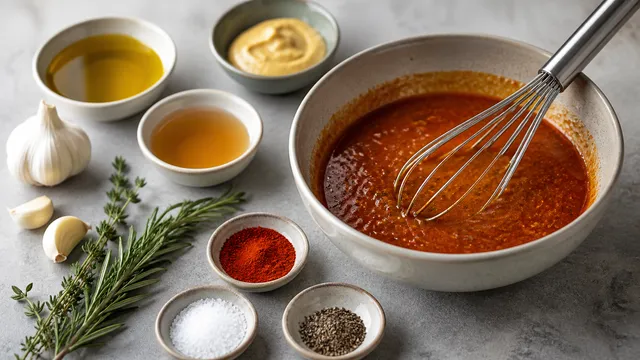
Keto Barbecue Marinade: Sugar-Free Base Recipe Plus Three Variations
Keto barbecue marinade without sugar or honey: an oil and mustard base with herbs, approx. 0.9 g net carbs and 21 g fat per serving - plus three variations for meat, fish and vegetables.
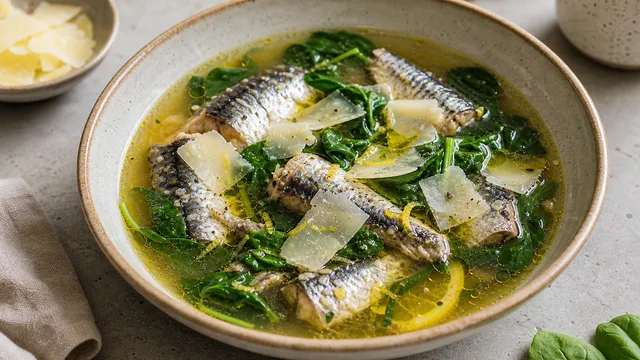
Keto Sardine Bone Broth Soup with Parmesan
Keto sardine bone broth soup with parmesan and spinach, approx. 3 g net carbs and 14 g fat per serving. Calcium and sodium from sardines, ready in 20 minutes.
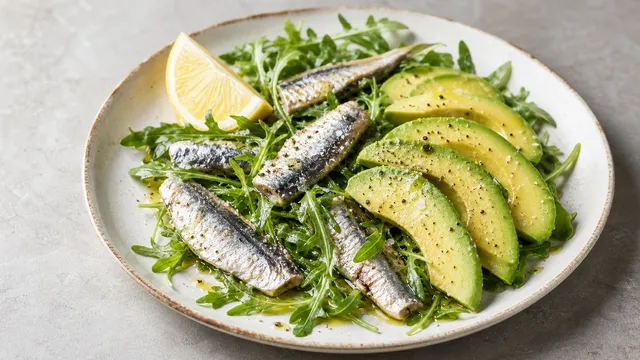
Keto Sardines Avocado Salad
Keto sardines avocado salad: sardines in olive oil with avocado, lemon and arugula. Just 3 g net carbs and 38 g fat per serving, ready in 8 minutes.
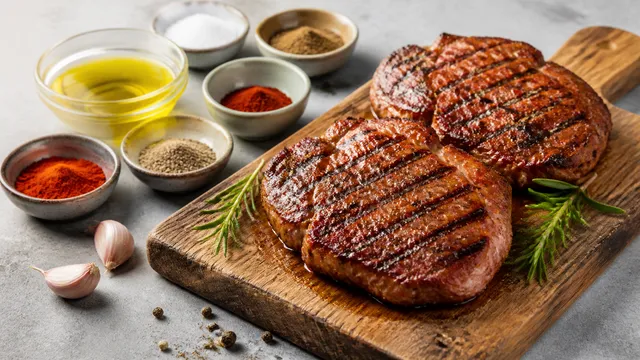
Keto Grilled Pork Neck Steaks: Seasoned Yourself, Not Pre-Marinated
Keto pork neck steaks from the grill with a homemade paprika and caraway rub: approx. 1 g net carbs and 40 g fat per serving - without the sugar of ready-made marinade.
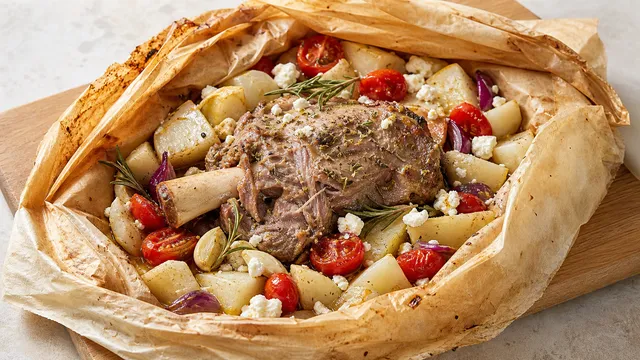
Keto Lamb Shoulder Kleftiko Style
Keto lamb shoulder kleftiko style: braised in a parcel for 3 hours with lemon, oregano and feta cheese. Approx. 5 g net carbs and 55 g fat per serving.
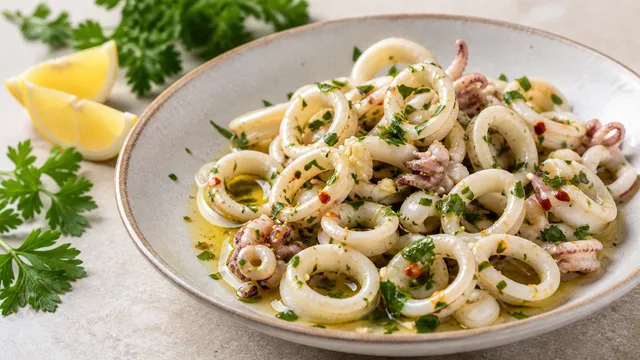
Keto Italian Squid Salad
Keto Italian squid salad with olive oil, lemon, parsley and garlic: 2 g net carbs, 24 g fat, 30 g protein per serving. Served lukewarm in 20 minutes.
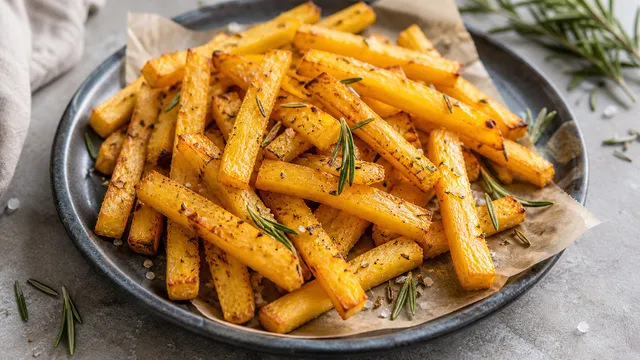
Keto Rutabaga Fries
Rutabaga (swede) fries with rosemary and garlic. 6 g net carbs and 18 g fat per serving. Sweet-earthy and the perfect keto fries alternative.
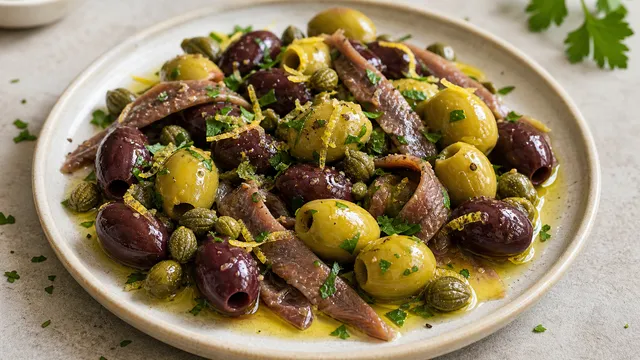
Keto Olive-Anchovy-Caper Antipasti Plate
Keto antipasti plate with olives, anchovies and capers, approx. 3 g net carbs and 26 g fat per serving. Sodium, calcium and omega-3, ready in 10 minutes.
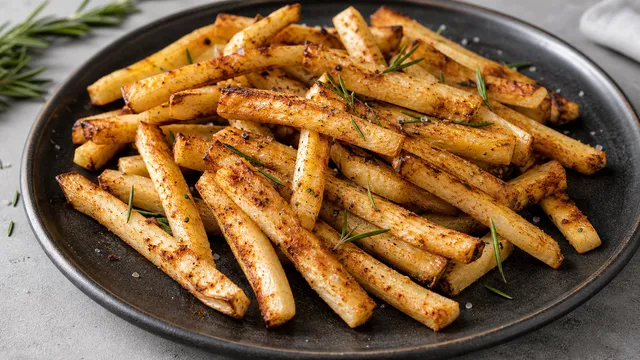
Keto Celeriac Fries
A fries swap from celery root: crispy outside, tender inside. 4 g net carbs and 22 g fat per serving. Oven-baked without frying, ready in 35 minutes.
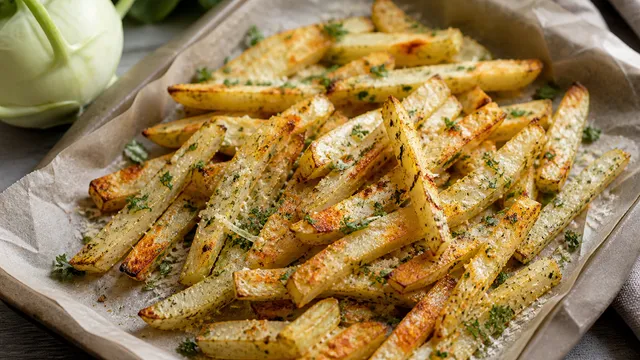
Keto Kohlrabi Fries from the Oven
Crispy oven-baked kohlrabi fries with paprika and Parmesan. 4 g net carbs, 15 g fat per serving. A keto fries swap ready in 35 minutes.
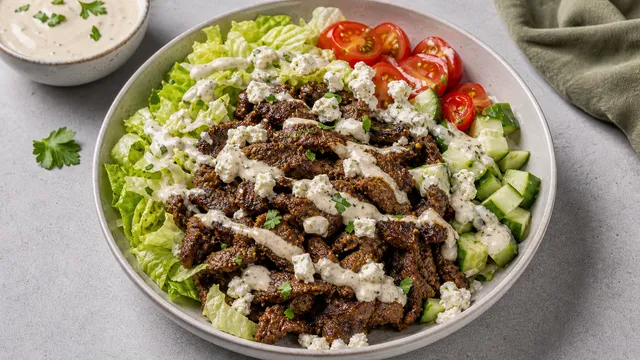
Keto Lamb Shawarma Bowl with Garlic Sauce
Keto lamb shawarma bowl: marinated pan-seared lamb with salad, tahini garlic sauce and feta cheese – 5 g net carbs, 50 g fat, 46 g protein in 30 min.
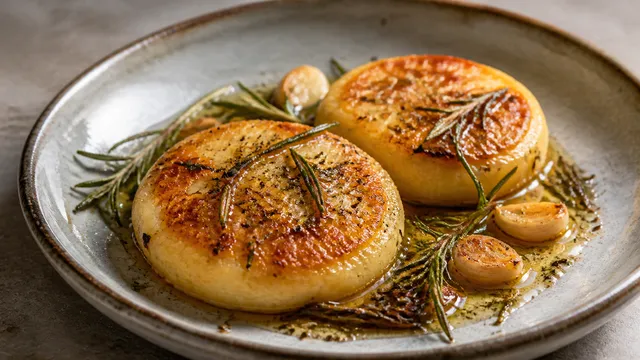
Pan-Fried Handkase Cheese with a Crispy Skillet Crust
Handkase pan-fried straight in the skillet: golden crust, creamy center, approx. 2 g net carbs, 18 g fat, ready in 11 minutes. Keto cheese dish with no breading.