Baking Powder: The Secret to Airy Keto Baked Goods
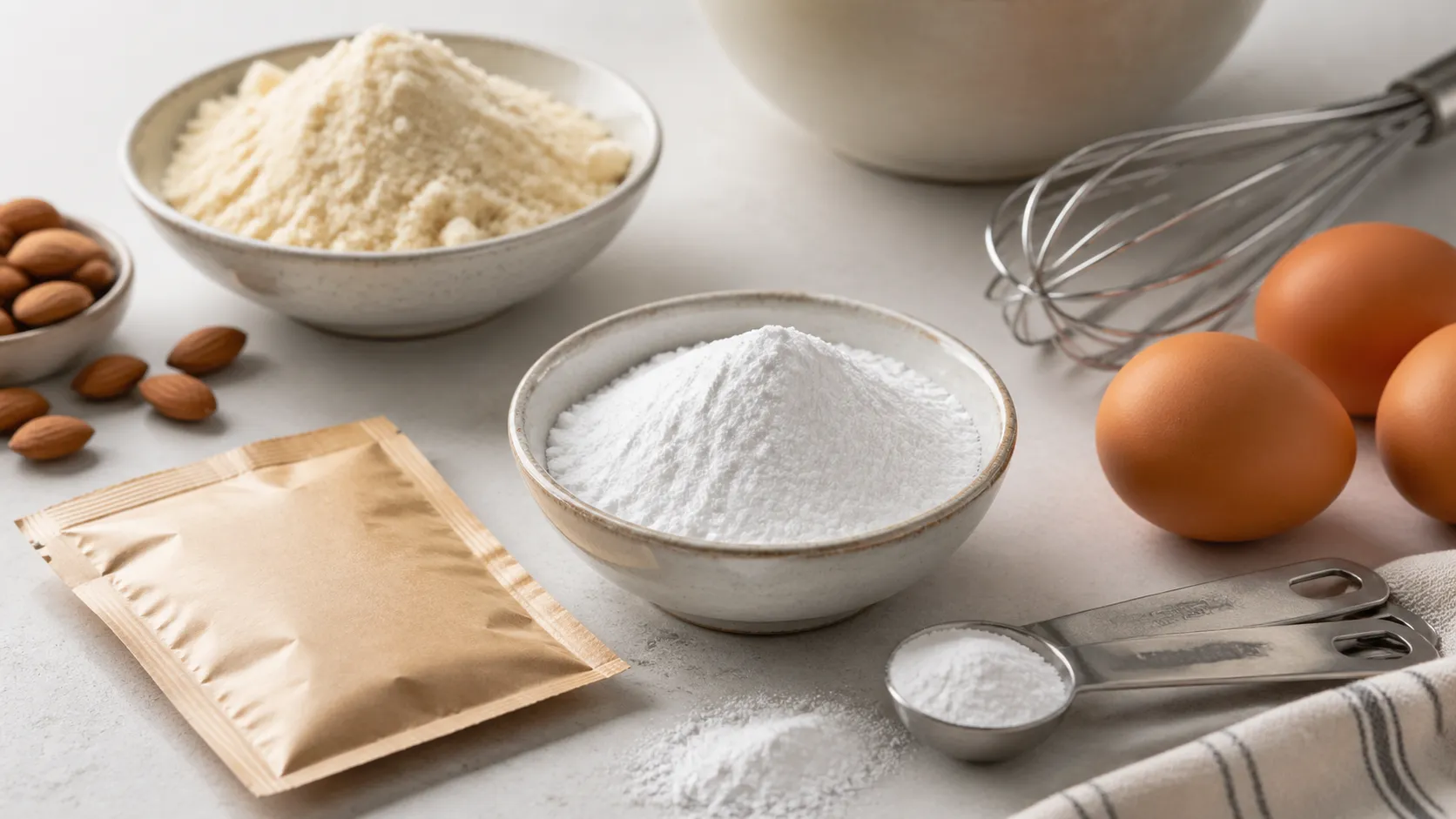
Keto flours like almond or coconut flour contain no gluten and no yeast-active starch. Doughs made from these flours often turn out heavy, dense, and damp without a leavening agent. Baking powder delivers the lift needed for waffles, muffins, breads, and cakes. Since most recipes only call for 1 to 2 teaspoons, the carbs from anti-caking agents are negligible. Cream-of-tartar baking powder is considered the better choice because it is phosphate-free and does not leave a soapy or fuzzy aftertaste. Note that German Backpulver is a single-acting leavener (a fixed acid plus baking soda in one sachet), whereas most U.S. baking powders are double-acting, releasing gas both when wet and when heated. The recipes here work with either, but timing matters more with single-acting powder. Anyone who bakes keto regularly should keep a stash in the pantry.
Is it recommended for keto?
Baking powder is purely a functional ingredient and is absolutely essential for keto baked goods. Without a leavening agent, doughs made from almond or coconut flour stay flat and dense because the stabilizing gluten is missing. A single serving delivers only a few hundredths of a gram of carbs, which is irrelevant for ketosis. Why cream of tartar? Conventional baking powder can leave a slightly soapy taste in the larger amounts that heavy keto doughs sometimes require. Cream-of-tartar baking powder is based on tartaric acid instead of phosphates, is flavor-neutral, and is also gentler on the kidneys. For breads, waffles, and muffins it is the more reliable choice. Baking soda combined with an acid such as apple cider vinegar also works well as a leavener in many keto recipes.
What pairs well with it?
Baking powder works its magic in almost every keto dough. It is typically combined with almond flour, coconut flour, golden flaxseed meal, or bamboo fiber. Eggs provide the necessary binding, while cream cheese, quark, melted butter, or coconut oil balance out the moisture. For sweet bakes, erythritol, xylitol, or monk fruit add sweetness without affecting blood sugar. If a recipe contains an acidic component such as apple cider vinegar or lemon juice, reach for baking soda with an acid partner; otherwise, classic baking powder is the way to go. A pinch of salt lifts the flavor further. Baking powder also gives savory keto breads and cheese scones a lighter crumb.
Pros & cons of organic
So-called cream-of-tartar baking powder is often sold in organic quality. Pros: It is phosphate-free, which is especially beneficial for people with reduced kidney function, and it leaves no fuzzy film on the teeth. The anti-caking agent is also often rice flour or corn starch from organic farming rather than wheat starch. Cons: Organic baking powder is noticeably more expensive than drugstore brands and is not always available in regular supermarkets. Still, the premium is worth it, because only a few grams are used per baking session. One package lasts for many breads and cakes, so the extra cost per recipe stays very low.
Intolerances & allergens
Baking powder is generally unproblematic, but the anti-caking agent used can become a hidden gluten trap. Budget brands frequently rely on wheat starch, which may contain traces of gluten. Anyone with celiac disease or wheat sensitivity should use only baking powder explicitly labeled gluten-free, cream-of-tartar baking powder with rice or corn starch, or pure baking soda with an acid component. Phosphate-based baking powder can be problematic for people with pre-existing kidney damage and is also less recommended for young children. It pays to check the ingredient list. High-quality products transparently declare both the anti-caking agent and the acidifier, and are available in drugstores, health food stores, or online for under three dollars per package.
Where to buy, online or local?
Cream-of-tartar baking powder is widely available in U.S. health food stores like Whole Foods and Sprouts, as well as from brands such as Bob's Red Mill, Rumford (aluminum-free), and Hain. Regular supermarkets also carry aluminum-free baking powders, which are the closest equivalent to German Weinstein-Backpulver. Bulk packs pay off online for frequent bakers, for example 1-pound bags from organic suppliers that cost significantly less per gram. When shopping, look for the gluten-free label if celiac disease or wheat sensitivity is a concern. Pure baking soda, which also works as a leavener, is even cheaper in the 1-pound bag. Store baking powder dry and airtight, because moisture weakens its leavening power. An opened package should be used up within six months.
Best keto recipes with it
- Keto Almond Flour Waffles (Sweet / Breakfast) - View recipe
- Keto Bread (German-Style) (Savory) - View recipe
Nutrition values
| Nutrient | Per 100 g |
|---|---|
| Net carbs | approx. 40 g (from anti-caking agent, but amount per recipe is extremely small) |
| Fat | 0 g |
| Protein | 0 g |
| Calories | 53 kcal |
FAQ
How much baking powder do you need for keto doughs?
Rule of thumb: 1 teaspoon of baking powder per 100 grams of almond or coconut flour. For heavy doughs with lots of cream cheese or quark, 1.5 teaspoons can work too. Avoid using more than 2 teaspoons per bake, otherwise a soapy aftertaste develops. For especially airy results, a combination of baking powder and whipped egg whites helps.
Is baking soda the same as baking powder?
No. Baking soda (sodium bicarbonate) is the pure base and needs an acid such as apple cider vinegar, lemon juice, or buttermilk to develop lift. Baking powder already contains baking soda plus an acid component and an anti-caking agent. Both work in keto recipes, but the ratios differ. To substitute baking soda for baking powder, halve the amount and add an acid.
Will the carbs in baking powder kick me out of ketosis?
No. While 100 grams of baking powder contains around 40 grams of carbs from the anti-caking agent, one teaspoon weighs only about 4 grams. That works out to less than 1.6 grams of carbs, which are then spread across the entire recipe. Per serving, the contribution stays well under 0.5 grams. That is completely negligible for ketosis.
Keto recipes with Baking Powder
18 recipes on KetoWizard use Baking Powder. These put the ingredient front and centre.

Keto Waffles with Almond Flour
Keto waffles with almond flour — no sugar, about 4.5 g net carbs and 24 g fat per serving. Quick recipe with crisp edges and practical waffle iron tips.
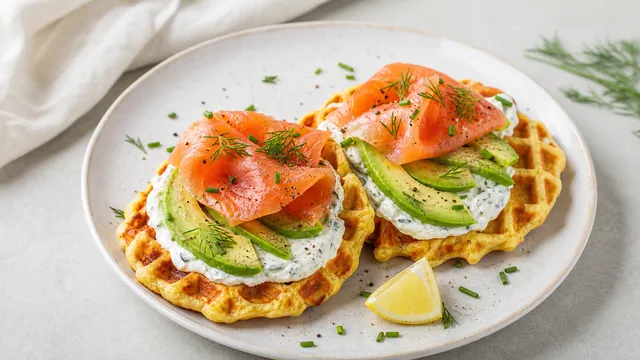
Savory Keto Breakfast Waffles with Avocado and Salmon
Savory keto breakfast waffles with almond flour, avocado, and smoked salmon: no sugar, about 4 g net carbs and 31 g fat per serving.
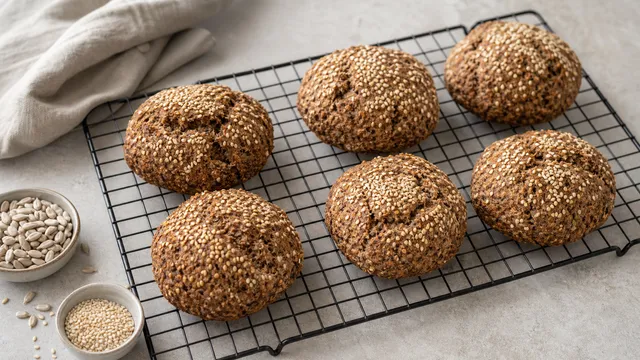
Keto Flaxseed Rolls Without Cheese
Keto flaxseed rolls at approx. 1.4 g net carbs and 20 g fat each. Hearty rolls without grain and without dairy, ready in 65 minutes.
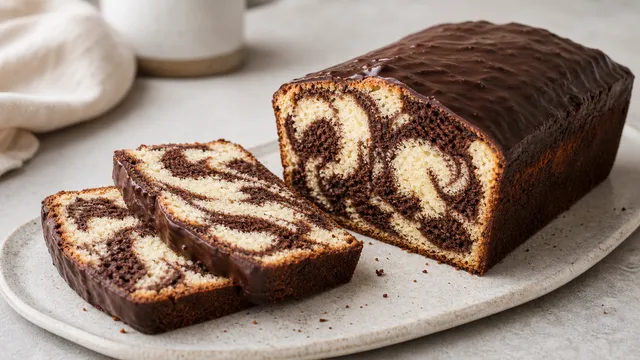
Keto Marble Cake with Almond Flour
Keto marble cake with almond flour and a chocolate-vanilla swirl: approx. 6 g protein, 3 g net carbs and 22 g fat per slice, a sugar-free classic ready in 1 hour.
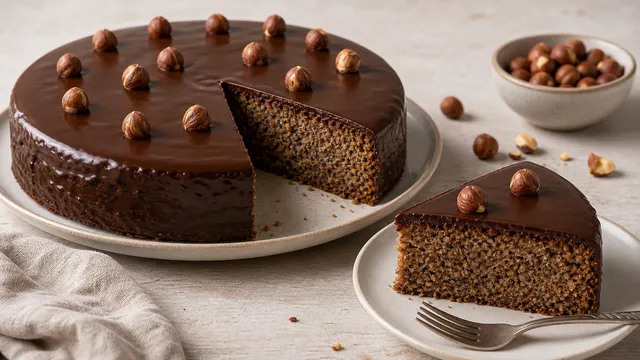
Keto Hazelnut Cake
Moist keto hazelnut cake made from ground hazelnuts: approx. 8 g protein, 3 g net carbs and 26 g fat per slice, nutty and aromatic, no sugar.
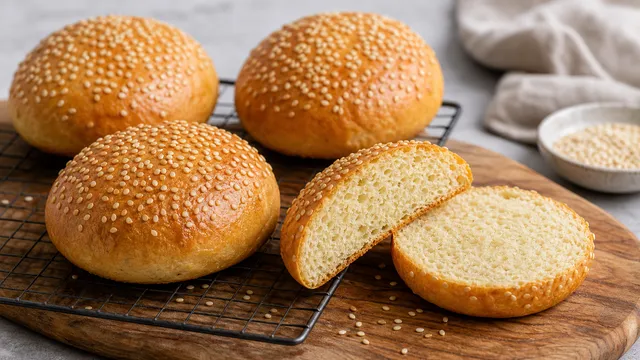
Keto Burger Buns
Keto burger buns with just 2.1 g net carbs and 14 g fat per bun. Fluffy, sturdy, and ready in 25 minutes, with no grain flour or sugar.

Keto Chocolate Chip Cookies with Almond Flour
Keto chocolate chip cookies with almond flour: approx. 4 g protein, 2 g net carbs and 14 g fat per cookie, crisp sugar-free cookies ready in 25 minutes.
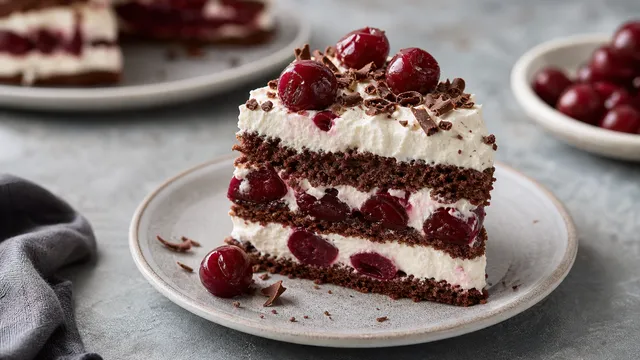
Keto Black Forest Cake
Keto Black Forest Cake with chocolate sponge, whipped cream and sour cherries: approx. 7 g protein, 6 g net carbs and 28 g fat per slice, classic without sugar.
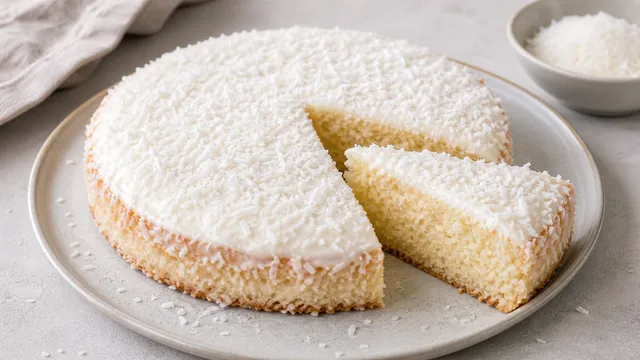
Keto Coconut Cake with Shredded Coconut
Moist keto coconut cake with shredded coconut and coconut flour: approx. 6 g protein, 3 g net carbs and 23 g fat per slice, tropical-sweet without sugar, ready in 55 minutes.

Keto Lemon Cake with Glaze
Moist keto lemon cake with almond flour and an erythritol lemon glaze: approx. 6 g protein, 3 g net carbs and 22 g fat per slice, a fresh loaf cake without sugar.
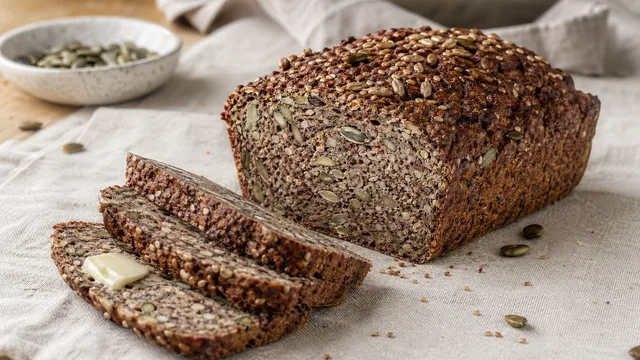
Keto Bread Like German Bread
Keto bread like German bread: hearty and moist, about 4.4 g net carbs and 17 g fat per 100 g. No grain flour, starch, or sugar.
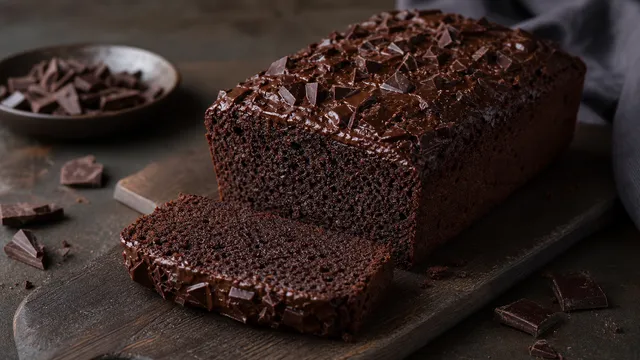
Moist Keto Chocolate Cake
Moist keto chocolate cake with cocoa and 85% dark chocolate: approx. 7 g protein, 3 g net carbs and 24 g fat per slice, intensely chocolatey, ready in 50 minutes.