Butter: Flavor Carrier and Keto Classic
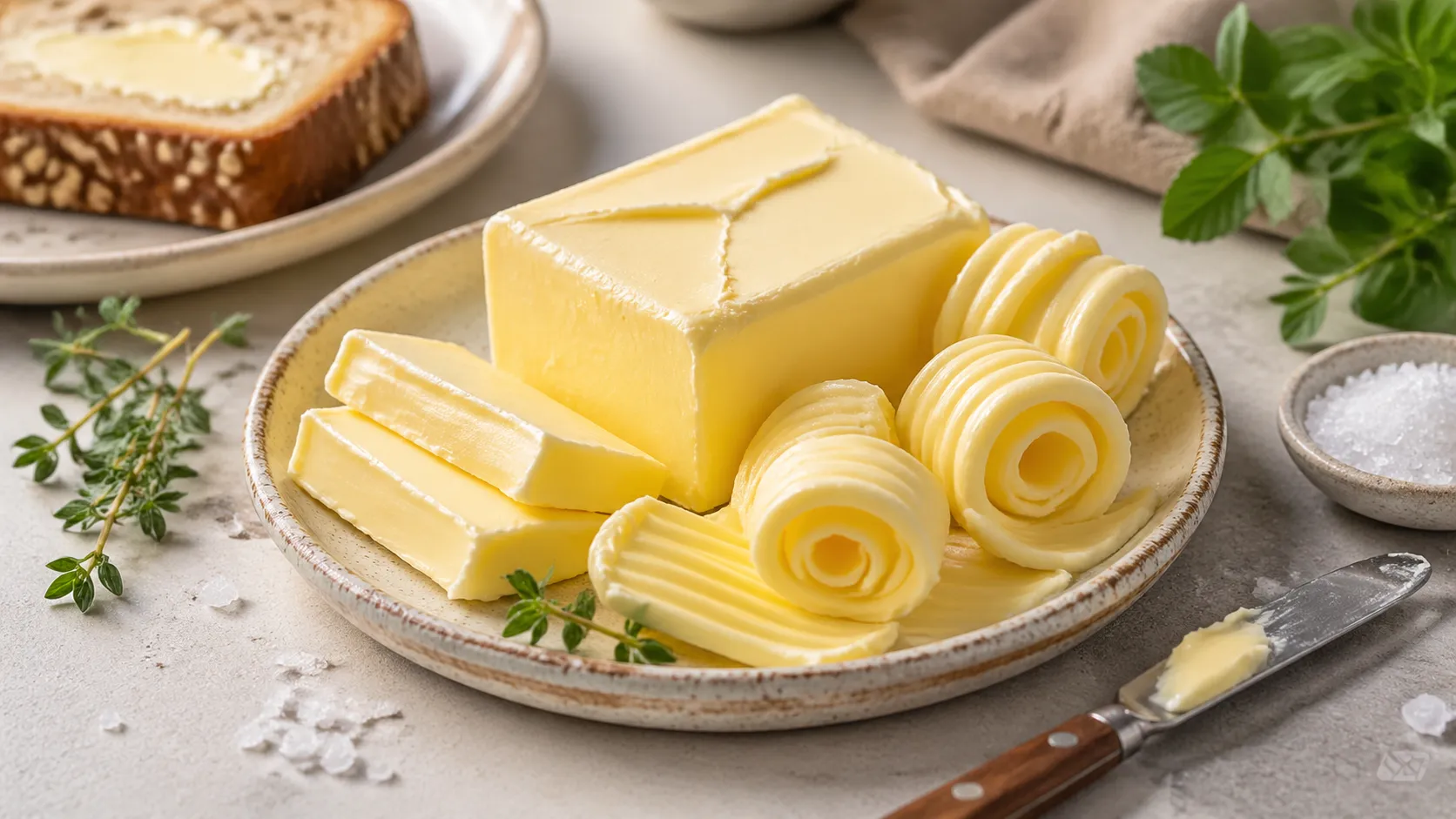
Butter is one of the most energy-dense staples in the keto kitchen: according to USDA FoodData Central, 100 g delivers around 717 kcal, 81 g of fat, just 0.6 g of carbs and 0.8 g of protein. A single tablespoon (about 14 g) already provides roughly 11 g of fat without eating into your daily carb budget. Grass-fed butter brings extra benefits on top: studies such as the umbrella review on whole-fat dairy (PMC7464108) show that natural milk fat does not raise the risk of cardiometabolic disease. Vitamin K2 and conjugated linoleic acids (CLA) make grass-fed butter a functional fat that belongs in every keto pantry.
Is it recommended for keto?
Butter is one of the top keto foods because it is nearly carb-free and provides 717 kcal per 100 g from pure milk fat (USDA FoodData Central). Compared with conventional butter, grass-fed butter contains up to five times more conjugated linoleic acid (CLA) and a higher share of omega-3 fatty acids. In a Bulletproof Coffee, one tablespoon of grass-fed butter combined with a tablespoon of MCT oil delivers around 200 kcal from fat; together with caffeine, this keeps you full for several hours. For beginners on a ketogenic diet, butter is an easy way to push the fat share to 70 to 75 percent of daily calories without added sugar. If you care about quality, look for a yellowish color, which indicates a high beta-carotene content from pasture-raised cows.
What pairs well with it?
Butter is a universal flavor carrier and works with both savory and sweet keto dishes. Melted over a 200 g ribeye steak, it adds about 80 kcal of fat per tablespoon. Combined with steamed broccoli, it delivers fat-soluble vitamins and improves the absorption of vitamin K and beta-carotene from the vegetable. In keto waffles, butter replaces vegetable oils and creates a crispy crust without trans fats. The classic Bulletproof Coffee remains a popular breakfast replacement with only 0.5 to 1 g of carbs per cup. Butter also adds creamy depth to salmon, in a hollandaise sauce or as herb butter over fish and poultry. A practical bonus: in sauces, butter creates a natural emulsion without flour or starch.
Pros and cons of organic
Organic grass-fed butter differs from standard butter not only ethically but also nutritionally. Cows grazing mostly on grass produce milk with a much better omega-6 to omega-3 ratio of around 1:1 to 2:1, while conventional milk often sits at 5:1 or worse (Harvard T.H. Chan School of Public Health). Pros: higher CLA content, more vitamin K2 (important for bone and heart health), and no residues from synthetic pesticides or antibiotics. Cons: organic grass-fed butter often costs 3 to 5 euros per 250 g block, compared with 1.50 to 2.50 euros for conventional. If you cannot afford the upgrade every day, save the organic block for Bulletproof Coffee or spreading on bread. For pan-frying, good conventional butter is usually enough.
Intolerances and allergens
Butter contains about 0.1 g of lactose per 10 g, so most people with mild lactose intolerance tolerate it well. Traces of milk protein (casein and whey) are also present, but in much smaller amounts than in milk or fresh cheese. For severe lactose intolerance or a casein allergy, ghee (clarified butter) is the better choice: heating and filtration remove nearly all milk protein and lactose. Ghee also has a higher smoke point of around 250 degrees Celsius and is better suited for high-heat searing. Very sensitive eaters should still look for labels such as 'lactose-free' or 'aged more than 30 days'. True allergies to pure butter are extremely rare and are almost always caused by milk protein, not the fat itself.
Where to buy online or locally
You can find good grass-fed butter in every larger supermarket today. Brands such as Kerrygold (Ireland) are widely available, cost about 2.50 to 3 euros per 250 g and come from pasture-raised cows. Genuine organic grass-fed butter with seals like Bioland, Demeter or Naturland (or USDA Organic in the US) is sold at health food stores, organic supermarkets (such as Whole Foods, Alnatura or Denn's) and online directly from farms. Look for a fat content of at least 82 percent (the EU standard for branded butter) and an ingredient list that contains only 'cream', with no added salt or flavors if you want pure butter. Salted butter is great for spreading but less ideal for baking, since the salt level can affect a recipe. For a regional option, ask at the farmers' market or directly at a dairy farm for traditionally churned butter.
Best keto recipes using it
- Oven-Baked Trout with Herb Butter (Dinner / Hearty) - View recipe
- Keto Bread (German-Style) (Breakfast (as spread)) - View recipe
Nutrition values
| Nutrient | Per 100 g |
|---|---|
| Net carbs | 0.6 g |
| Fat | 81 g |
| Protein | 0.8 g |
| Calories | 717 kcal |
FAQ
How much butter can I eat per day on keto?
There is no fixed upper limit. On a ketogenic diet of about 2,000 kcal, roughly 70 to 75 percent of calories come from fat, which is around 155 to 170 g of fat per day. Of that, 30 to 50 g can easily come from butter. What matters is the overall balance of calories and macronutrients, not avoiding butter.
Is butter better than margarine on keto?
Yes, by a wide margin. Margarine is based on vegetable oils, often high in omega-6 and in some cases still containing residual trans fats from hydrogenation. The Harvard T.H. Chan School of Public Health recommends focusing on unsaturated fats from olive or avocado oil and natural animal fats such as butter on a ketogenic diet, rather than industrially processed spreads.
Can you use butter for high-heat searing on keto?
Butter has a smoke point of about 175 degrees Celsius, which is fine for medium-high heat. For searing above 200 degrees, ghee or clarified butter with a smoke point of 250 degrees is the better choice because the milk solids have been removed. Combining a bit of olive oil with butter in the pan also raises the effective smoke point of the butter.
Keto recipes with Butter
109 recipes on KetoWizard use Butter. These put the ingredient front and centre.
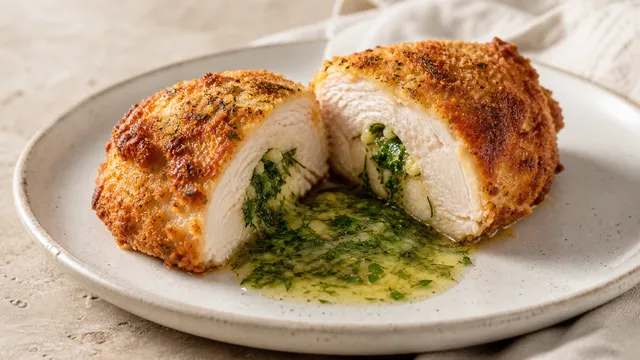
Keto Chicken Kiev with Herb Butter
Keto chicken Kiev with a molten herb butter core and almond coating: approx. 1.5 g net carbs and 54 g fat per serving, ready in 90 minutes.
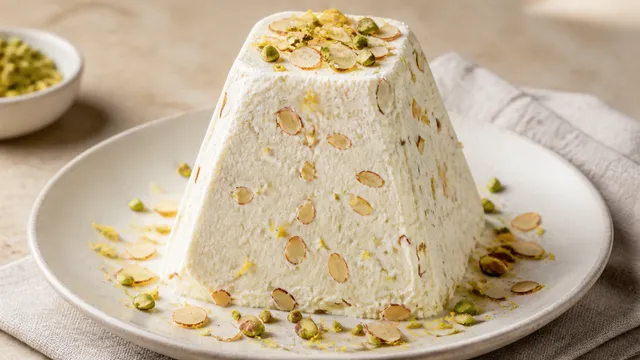
Keto Paskha - Quark Dessert with Almonds and Vanilla
Keto paskha from full-fat quark, butter and almonds: the Eastern European quark dessert at approx. 2.8 g net carbs and 29 g fat per serving, without sugar.
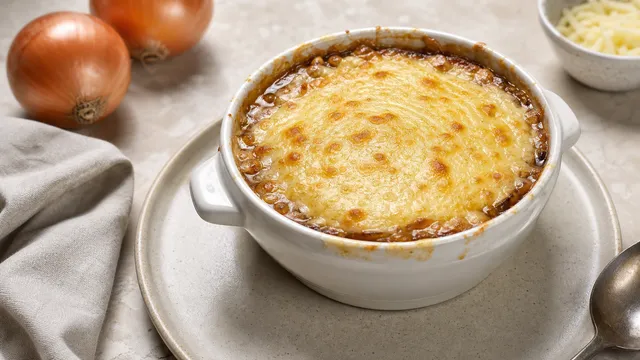
Keto Onion Soup Gratinated with Gruyere
Keto onion soup gratinated with gruyere: deliberately measured onions, approx. 6 g net carbs and 30 g fat per serving, ready in around 60 minutes.
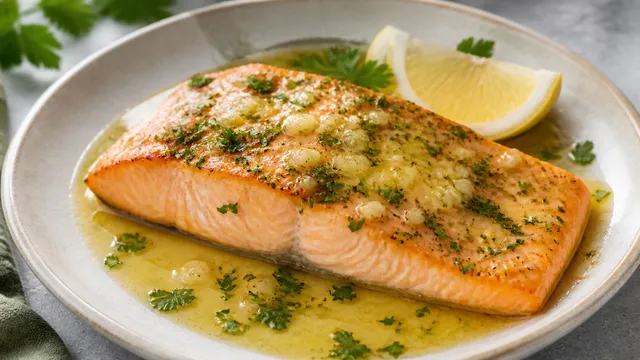
Keto Frozen Salmon in the Oven with Garlic Butter
Frozen salmon straight from the freezer into the oven, topped with garlic herb butter. Approx. 2 g net carbs, 42 g fat and 40 g protein. Fresh salmon works just as well.
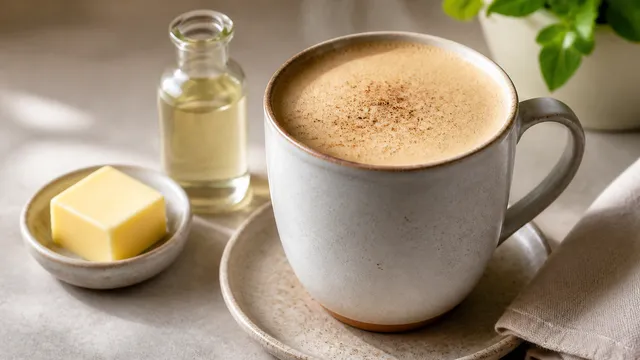
Keto Butter Coffee with MCT Oil
Creamy keto butter coffee with grass-fed butter and MCT oil: 0 g net carbs, 32 g fat, ready in 3 minutes. Keeps you full and fuels a fast morning start.
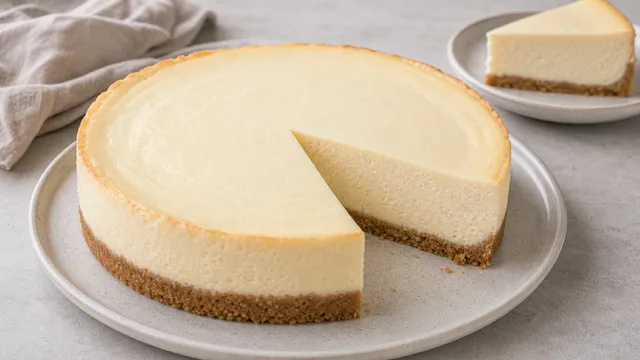
Keto New York Style Cheesecake
Creamy keto New York style cheesecake with an almond flour crust: approx. 8 g protein, 4 g net carbs and 28 g fat per slice, a classic sugar-free cheesecake.
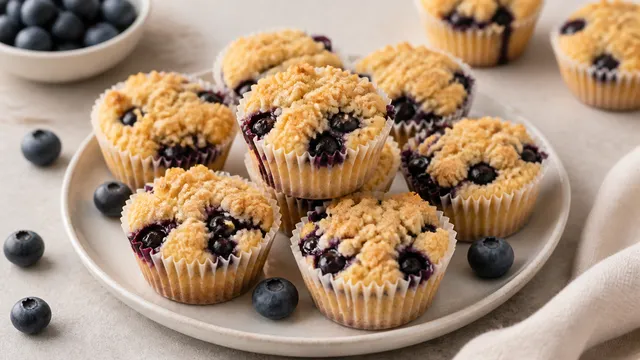
Keto Blueberry Streusel Bites
Keto blueberry streusel bites made with almond flour and a crumb topping: approx. 6 g protein, 4 g net carbs and 18 g fat per piece, sugar-free mini crumb cakes.
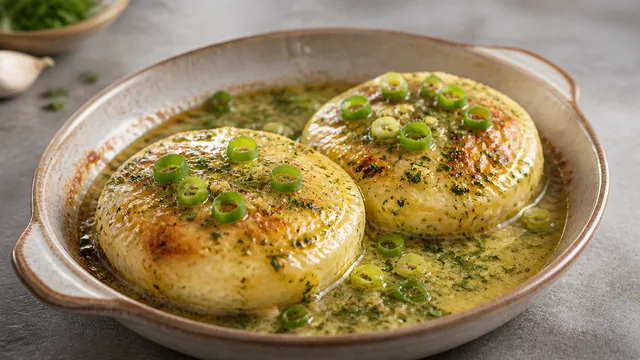
Baked Handkase with Herb Butter
Baked handkase with herb butter, scallions and mustard – approx. 2 g net carbs, 16 g fat per serving, ready in 15 minutes. Keto and warm.
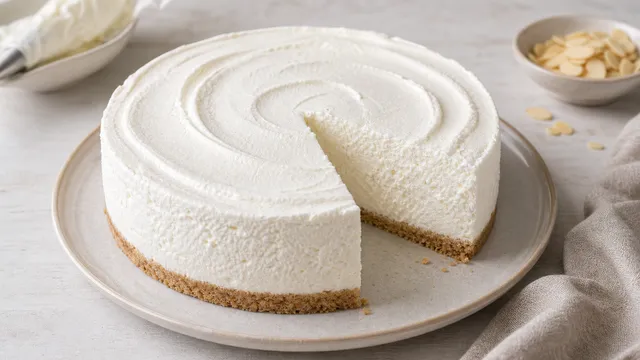
Keto Cream Cheese Cake (No-Bake)
Light no-bake keto cream cheese cake with quark, cream, and an almond flour crust: approx. 9 g protein, 4 g net carbs, and 22 g fat per slice, sugar-free classic.
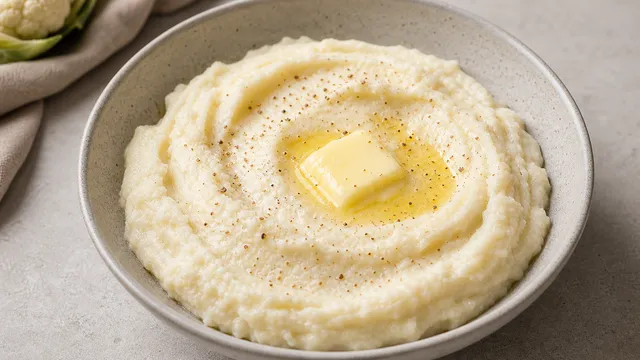
Keto Cauliflower Mash with Butter
Creamy cauliflower mash with butter, cream and nutmeg. 4 g net carbs and 24 g fat per serving. Ready in 25 minutes.
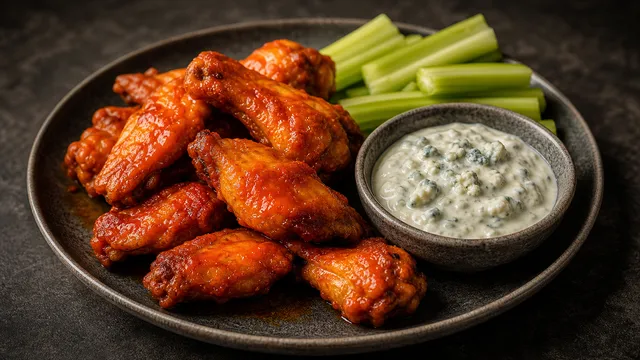
Keto Buffalo Chicken Wings with Blue Cheese Dip
Keto chicken wings with spicy buffalo butter and blue cheese dip: 3 g net carbs, 48 g fat, 38 g protein per serving. Ready in 45 minutes.
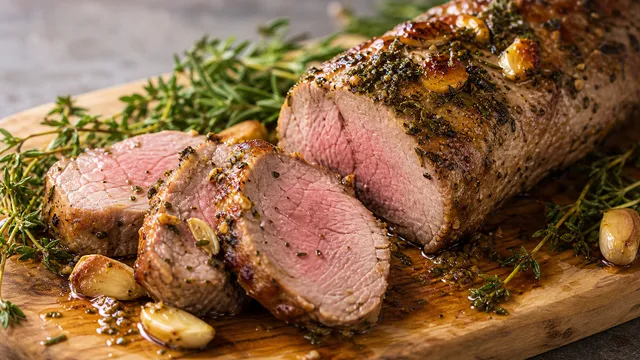
Keto Lamb Loin with Garlic and Thyme
Keto lamb loin (lamb backstrap) with garlic, thyme and butter from the oven: approx. 2 g net carbs, 50 g fat and 54 g protein per serving, a holiday roast in 35 min.