Salmon: The King of Keto Fish
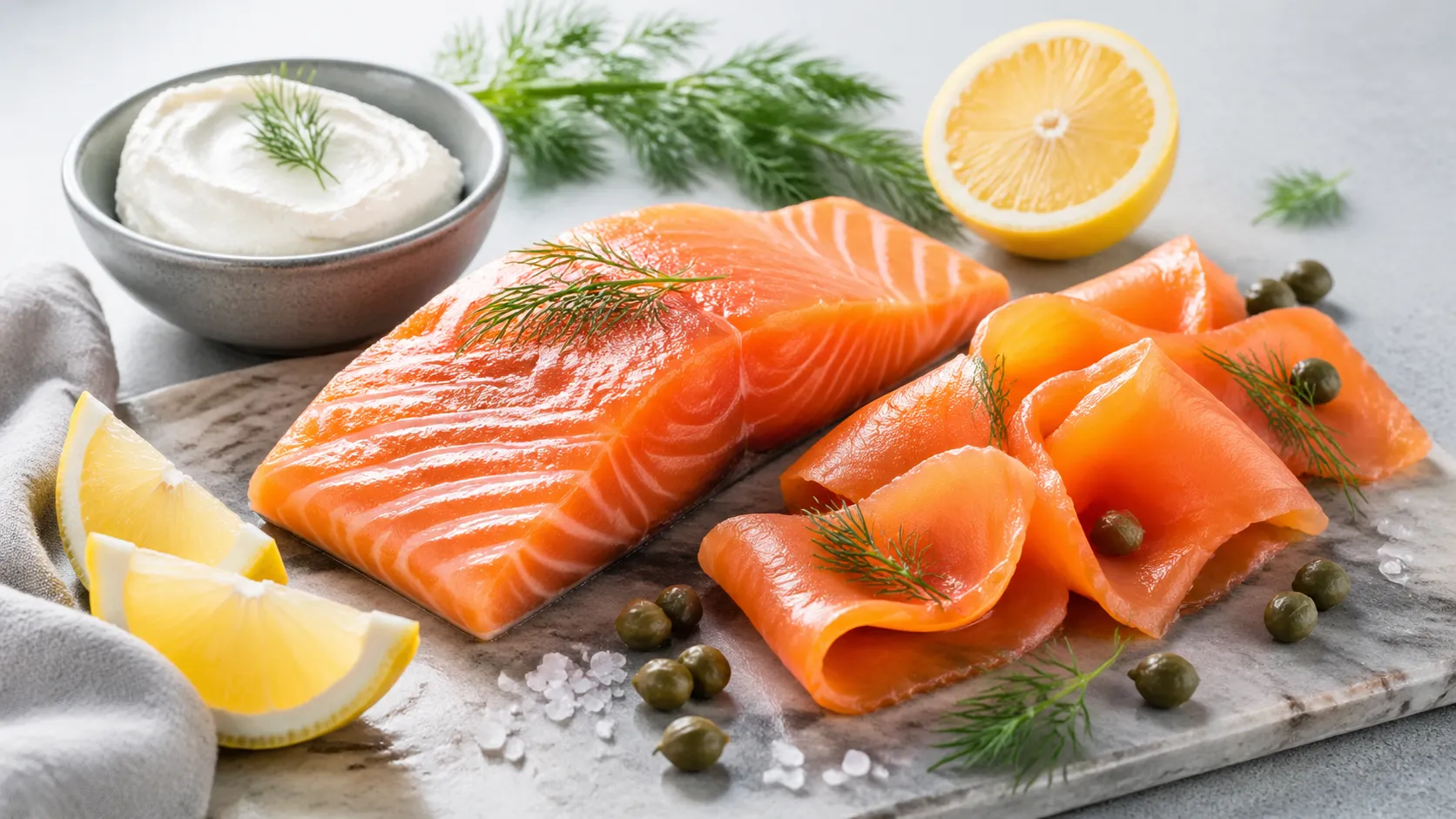
With zero carbs, 20 g of protein and 13 g of fat per 100 g, salmon is one of the most ideal keto foods (USDA FoodData Central). The decisive advantage: wild-caught salmon delivers around 1.5 to 2 g of long-chain omega-3 fatty acids EPA and DHA per 100 g, significantly more than most other edible fish (NIH ODS Omega-3). A 150 g serving already covers the daily requirement of 1,000 to 2,000 mg EPA/DHA that studies describe as optimal for heart and brain health. In addition, salmon provides about 12 µg of vitamin D per 100 g, an important contribution to often under-supplied vitamin D levels.
Is it recommended for keto?
Wild-caught salmon or organic salmon is one of the healthiest foods in the keto diet. With zero carbs, 13 g of fat (of which 1.5 to 2 g EPA and DHA per 100 g) and 20 g of high-quality protein, it meets a nearly perfect keto profile (USDA FoodData Central). The long-chain omega-3 fatty acids EPA and DHA are particularly valuable because, according to the NIH Office of Dietary Supplements, they have anti-inflammatory effects and may help prevent cardiovascular disease (NIH ODS). A 150 g portion of salmon covers around 2,250 to 3,000 mg of EPA/DHA, which exceeds the frequently recommended daily intake of 1,000 to 2,000 mg. Is sushi keto? Classic sushi with rice is not, the rice contributes around 7 g of carbs per piece. Sashimi (just raw salmon) is 100 percent keto-friendly. Keto makis with cauliflower rice are also a creative alternative; a 6-piece roll comes in at about 3 to 4 g of net carbs.
What pairs well with it?
Salmon combines divinely with countless keto classics. Cream cheese and smoked salmon on a bed of arugula is the classic low-carb breakfast, delivering about 25 g of protein and 30 g of fat per serving with only 2 g of net carbs. Lemon juice brightens the flavor and provides vitamin C. Avocado rounds it out with potassium, folate and monounsaturated fatty acids; the classic 'avocado salmon bowl' delivers around 600 kcal per bowl. Dill is the traditional herb for salmon, used in Scandinavia for gravlax or simply chopped over a pan-seared fillet. Asparagus (green or white) becomes the perfect seasonal companion from May to June and contains only 1.5 g of net carbs per 100 g. Salmon also turns into a festive main course in a carrageenan-free cream sauce with fresh herbs, a touch of Dijon mustard and a splash of white wine. Smoked salmon works excellently as a snack with cucumber and cream cheese rolls, perfect on the go or as an office lunch.
Pros & cons of organic
With salmon, the question of quality is crucial: wild-caught salmon or farmed salmon (organic or conventional)? Advantages of wild-caught salmon: a natural diet of krill and smaller fish, which leads to a significantly better omega-3 profile (typically 1.5 to 2.5 g EPA/DHA per 100 g). Fat content is usually lower (5 to 10 g per 100 g), but the omega-3 to omega-6 ratio is very favorable. Wild-caught salmon from Alaska (sockeye, king, coho) is considered the most sustainable and healthiest choice. Advantages of organic farmed salmon (e.g. Bioland, Naturland): strictly controlled husbandry, lower stocking density, no prophylactic antibiotics, no genetically modified feed. However, the omega-3 profile is often slightly less favorable than wild-caught salmon because farmed fish are fed predominantly plant-based feed. Drawbacks of both options: both are noticeably more expensive than conventional farmed salmon from Norway or Chile (15 to 30 euros per kg versus 8 to 12 euros). Wild-caught Alaskan salmon is available at organic markets, at Frosta or in specialty stores, mostly frozen, which preserves freshness optimally.
Intolerances & allergens
Fish allergies are among the 14 allergens that must be declared in the EU. About 0.1 to 0.5 percent of the adult population has an allergic reaction to salmon or other fish, often to the parvalbumin protein. A fish allergy is usually lifelong and requires complete avoidance. Histamine sensitivity is a different matter: due to the smoking process, smoked salmon has significantly higher histamine levels (often 10 to 50 mg per kg) than fresh salmon (under 5 mg per kg). People with histamine intolerance usually tolerate fresh, directly frozen salmon better. Very old or improperly stored salmon also develops higher histamine levels over time (risk of scombroid poisoning). Heavy metal contamination: compared to tuna or swordfish, salmon has a relatively low mercury load. Wild-caught Alaskan salmon typically contains less than 0.03 ppm mercury, which is considered safe even for pregnant women. With farmed salmon, contamination with microplastics and PCB residues is a growing concern; organic products show significantly better values here.
Where to buy online or locally
The cheapest farmed salmon from discount stores (often Norway or Chile, conventional aquaculture) is not recommended, as there are concerns about antibiotic use, disease pressure and feed quality. Better options: wild-caught salmon from Alaska (sockeye, coho, pink) is available at Frosta, at organic markets, or from online retailers like Fischfein, Lachsmanufaktur or Followfish. Look for certifications like MSC (Marine Stewardship Council) for wild catch or ASC and Naturland for sustainable aquaculture. Prices: MSC wild-caught Alaskan salmon costs about 30 to 45 euros per kg (frozen), organic farmed salmon from Norway 25 to 35 euros. Smoked salmon: high-quality brands like Gottfried Friedrichs, Buesumer Feinkost or organic brands like followfood offer wild-caught smoked salmon from Alaska. A 100 g pack costs 6 to 12 euros. Fresh salmon should be used the same day; frozen salmon can be thawed slowly in the fridge over 24 hours, which preserves the texture better.
Best keto recipes with it
- Salmon fillet with asparagus (dinner) - View recipe
- Smoked salmon and cream cheese plate (breakfast / snack) - View recipe
Nutrition values
| Nutrient | Per 100 g |
|---|---|
| Net carbs | 0 g |
| Fat | 13 g |
| Protein | 20 g |
| Calories | 208 kcal |
FAQ
How often should I eat salmon on keto?
The German Nutrition Society recommends 1 to 2 servings of fatty sea fish per week. On keto, you can easily increase this to 2 to 3 servings, as salmon fits perfectly into the macronutrient profile. A 150 g serving delivers 2,250 to 3,000 mg of EPA/DHA, which matches NIH recommendations. More than 4 servings per week is not advisable for precautionary reasons (heavy metals), but it is uncritical with wild-caught Alaskan salmon.
Is smoked salmon as healthy as fresh salmon?
The omega-3 content is largely preserved through cold smoking. However, smoked salmon contains more salt (typically 3 to 4 g per 100 g) and the smoking process can produce small amounts of polycyclic aromatic hydrocarbons. High-quality brands use gentle cold-smoking methods at low temperatures. For daily enjoyment, smoked salmon in moderate amounts (50 to 100 g) is harmless.
Wild-caught or farmed salmon: which is healthier?
Wild-caught Alaskan salmon has a significantly more favorable omega-3 to omega-6 ratio (about 1:1) than farmed salmon (often 1:3 or worse). Contamination with pollutants and microplastics is also lower. Organic farmed salmon is the second-best choice, significantly better than conventional farming. Wild-caught salmon is mostly available frozen, as it is caught seasonally and processed immediately.
Keto recipes with Salmon
18 recipes on KetoWizard use Salmon. These put the ingredient front and centre.
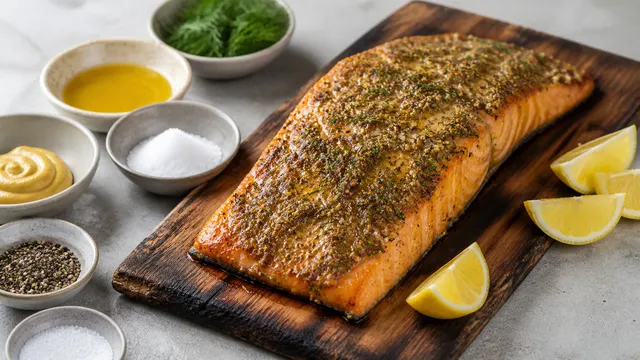
Keto Planked Salmon: Mustard-Dill Crust Instead of Honey Glaze
Keto planked salmon grilled on a wooden plank: dry cure with erythritol instead of sugar, mustard-dill crust, approx. 1 g net carbs and 28 g fat per serving.
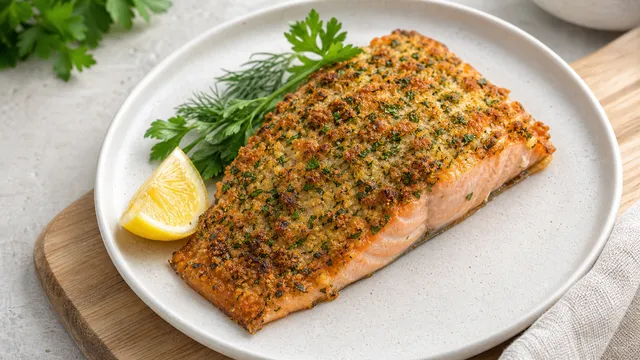
Keto Salmon with an Herb Crust from the Air Fryer
Keto salmon with an herb crust from the air fryer: ready in approx. 20 minutes, only approx. 0.8 g net carbs and 34 g fat per serving, without breadcrumbs.
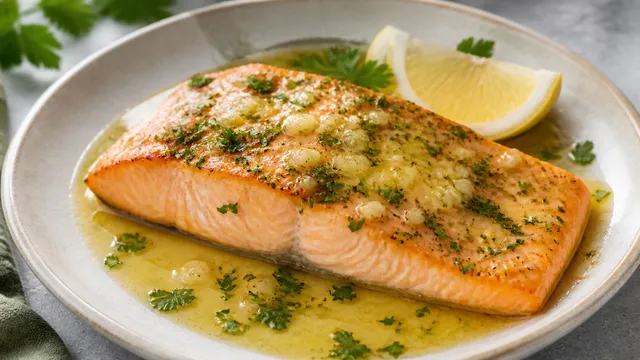
Keto Frozen Salmon in the Oven with Garlic Butter
Frozen salmon straight from the freezer into the oven, topped with garlic herb butter. Approx. 2 g net carbs, 42 g fat and 40 g protein. Fresh salmon works just as well.
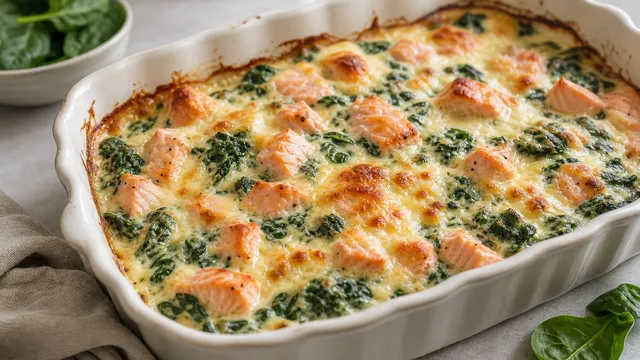
Keto Salmon Spinach Casserole with Cream Cheese
Creamy salmon spinach casserole with cream cheese and a golden cheese topping, approx. 5 g net carbs and 46 g fat. Ready in 35 minutes with frozen or fresh salmon.
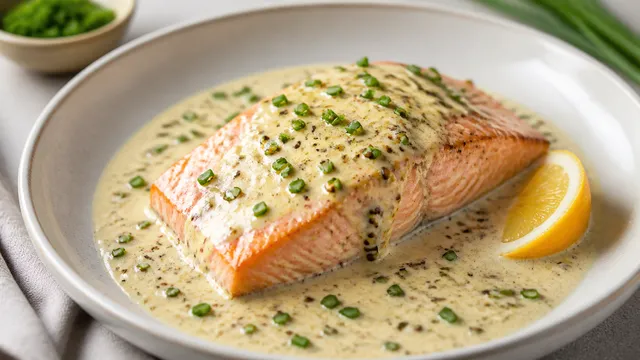
Keto Salmon in Mustard Cream Sauce
Salmon in a creamy Dijon mustard cream sauce with chives, approx. 3 g net carbs and 45 g fat. Ready in 20 minutes with frozen or fresh salmon.
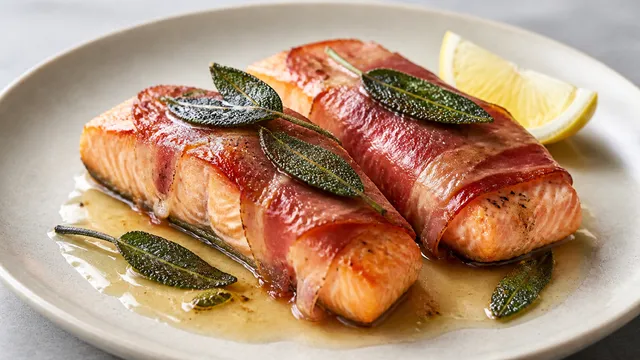
Keto Salmon Saltimbocca with Sage and Prosciutto
Italian-inspired salmon saltimbocca with sage and paper-thin prosciutto, pan-fried in butter, approx. 1 g net carbs and 40 g fat. Use frozen or fresh salmon.
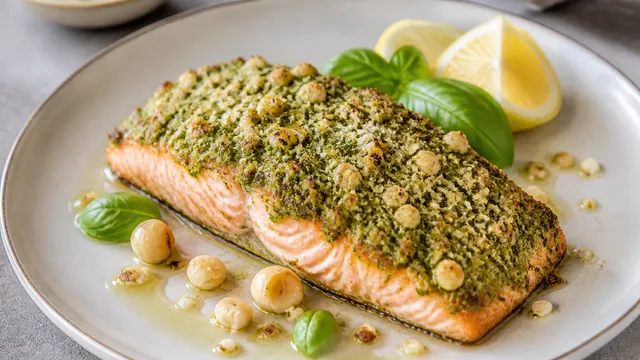
Keto Salmon with Pesto Crust and Macadamia
Oven-baked salmon with a basil-macadamia pesto crust, approx. 3 g net carbs and 52 g fat. Ready in 25 minutes with frozen or fresh salmon.
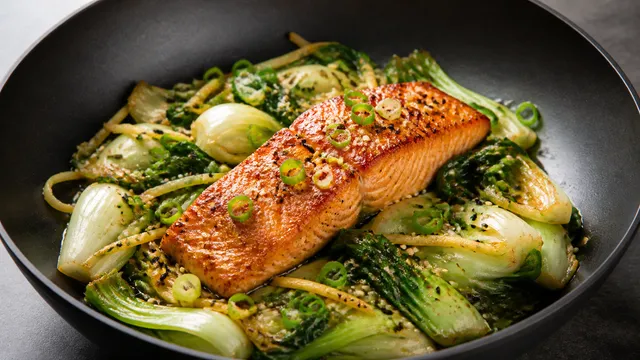
Keto Salmon Skillet with Bok Choy and Ginger
Asian salmon skillet with bok choy, fresh ginger and sesame oil, approx. 4 g net carbs, 36 g fat. Ready in 20 minutes with frozen or fresh salmon.
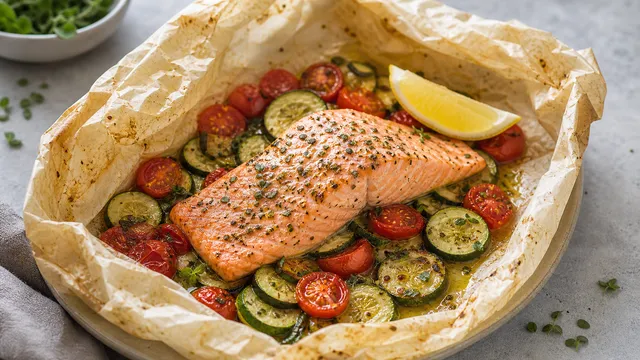
Keto Salmon Parcels with Zucchini from the Oven
Salmon parcels with zucchini, cherry tomatoes and oregano from the oven, approx. 5 g net carbs, 38 g fat. Ready in 30 minutes with frozen or fresh salmon.
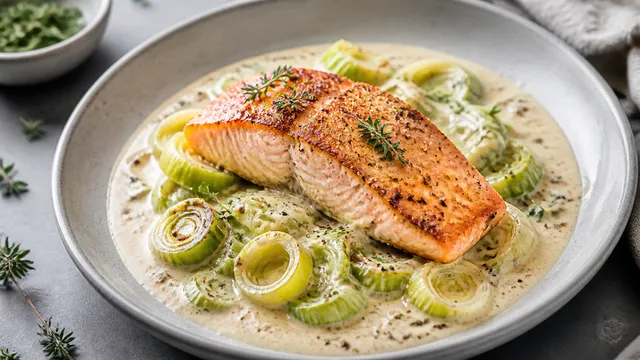
Keto Salmon on Leeks in Cream
Salmon on gently braised leeks in cream from the oven, approx. 6 g net carbs and 44 g fat. Ready in 35 minutes with frozen or fresh salmon.
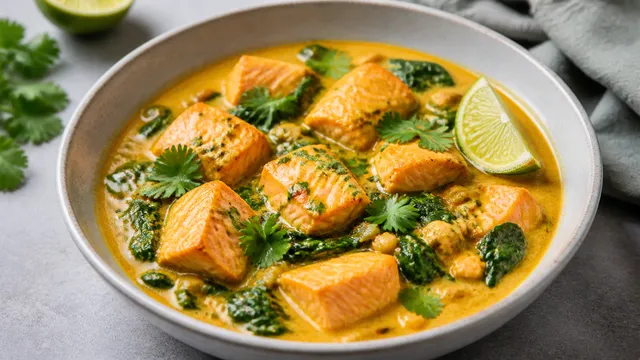
Keto Salmon Curry with Coconut Milk and Spinach
Creamy salmon curry with coconut milk and baby spinach, approx. 5 g net carbs and 48 g fat. Ready in 25 minutes with frozen salmon; fresh works just as well.
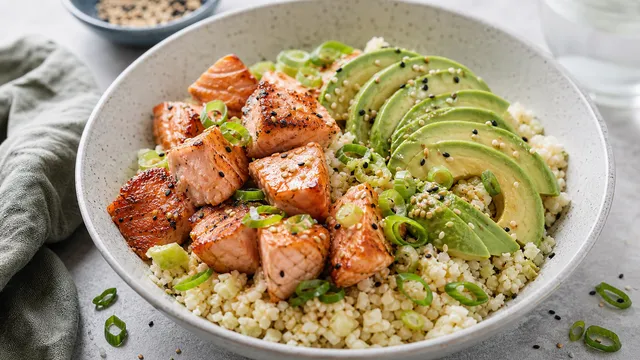
Keto Salmon Bowl with Avocado and Sesame
Warm keto bowl with salmon, cauliflower rice, avocado and toasted sesame seeds, approx. 6 g net carbs and 55 g fat. Ready in 25 minutes with frozen or fresh salmon.