Lemon Juice: The Fresh Keto Ingredient
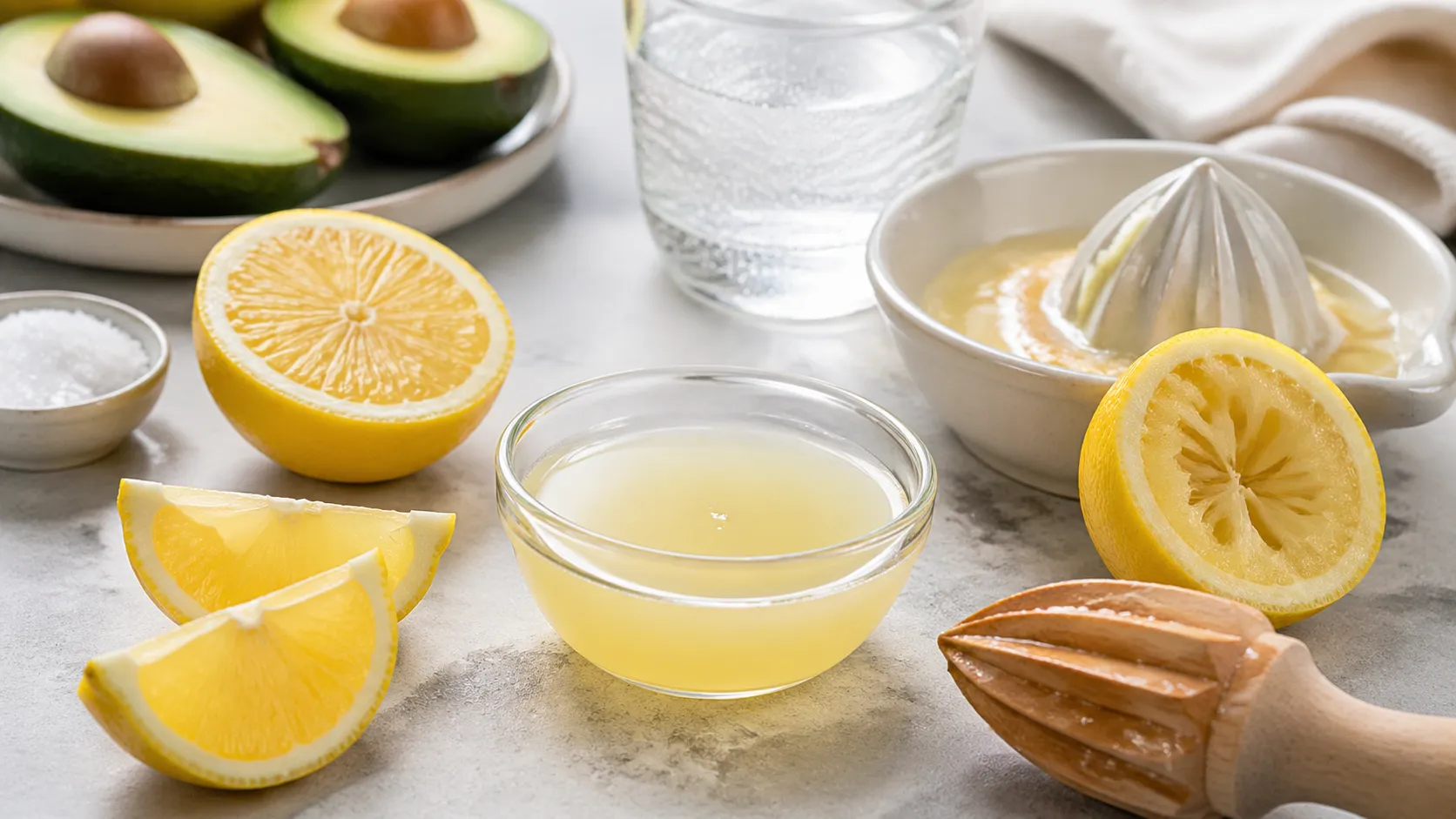
Lemons do contain carbohydrates, but in moderate amounts they fit easily into a keto diet. According to USDA FoodData Central, 100 g of lemon juice contains just 1.7 g of net carbs, zero fat and 0.4 g of protein at 10 kcal (USDA). A tablespoon of juice (15 ml) therefore provides only 0.3 g of carbs, a negligible amount. Lemon juice also delivers around 38 mg of vitamin C per 100 g, covering about 42 percent of the NRV recommendation. Citrus flavonoids such as hesperidin and eriocitrin have been shown in studies to have antioxidant and anti-inflammatory effects (PMC8400111).
Is this recommended for keto?
Lemon juice is absolutely keto-friendly and very healthy in moderate amounts. With only 1.7 g of net carbs per 100 g (USDA FoodData Central), typical servings stay well below the keto daily limit. One tablespoon (15 ml) provides just 0.3 g of carbs and 1.5 kcal. Even the entire juice of one lemon (about 40 ml) only adds 0.7 g of net carbs. Morning routine: Lukewarm water with the juice of half a lemon in the morning stimulates digestion and immediately delivers about 20 mg of vitamin C. Thanks to its acidity, it is also perfect for protecting avocado slices from browning by briefly drizzling them with lemon. Another keto bonus: lemon juice combined with a pinch of salt can serve as an electrolyte drink against the keto flu, since salt and vitamin C together can support the adaptation phase.
What pairs well with it?
Lemon juice cuts through fat and is therefore part of many keto classics. It combines ideally with fish: a few drops over pan-fried salmon, grilled trout or steamed cod lift the aroma and support digestion. With avocado in a guacamole or as avocado toast (on keto bread), lemon prevents browning and adds freshness. In water with a pinch of salt and a little erythritol you get a homemade electrolyte solution that delivers more minerals than commercial sports drinks and contains only 1 to 2 calories per glass. With chicken, in a garlic-lemon sauce with olive oil and fresh herbs, lemon juice brings depth to the dish. Classic vinaigrettes are often based on olive oil, lemon juice, Dijon mustard and a little salt, a simple combination with under 1 g of net carbs per tablespoon of dressing. Lemon juice is also versatile in bowls, over salads, in marinades or as an addition to tea drinks (iced tea with erythritol).
Pros & cons of organic
With lemons, it really pays to reach for organic quality, especially if you use the peel or zest. Pros: No chemical pesticides and no diphenyl (E 230, a preservative) or imazalil on the peel, both of which are often used on conventional lemons to extend shelf life. These substances are considered critical and should be avoided in case of outer contact. You can recognize organic lemons by the EU organic logo or stricter seals like Bioland or Demeter. They often have a less shiny, more matte peel and may have small blemishes, which is not a quality defect. Cons: Organic lemons are slightly more expensive (about 0.80 to 1.50 euros per piece, versus 0.40 to 0.70 euros for conventional ones) and have a shorter shelf life, typically 2 to 3 weeks in the fridge compared to 4 to 6 weeks for conventional lemons. For pure juice without peel contact, the organic question is less critical, since pesticide residues mostly sit in the peel. High-quality organic lemons often come from Sicily (Italy), Andalusia (Spain) or Greece.
Intolerances & allergens
Genuine citrus allergies are rare, with less than 0.5 percent of the population documented as having a true allergy. Symptoms range from skin irritations to rare anaphylactic reactions. With histamine intolerance, lemon juice can act as a so-called 'histamine liberator', meaning it triggers the release of the body's own histamine without containing much histamine itself. Symptoms like skin rashes, migraines or digestive problems should be monitored. With diagnosed histamine intolerance, caution is advised; a small test portion (5 to 10 ml) helps with assessment. Stomach sensitivity: Lemon juice has a pH of about 2 to 3 and can worsen symptoms in cases of reflux, ulcers or heartburn. In that case, reduce the amount or take lemon juice diluted. Tooth enamel: Direct contact of the acid with teeth can erode enamel over time. Lemon water should be drunk with a straw, and after consumption you should wait at least 30 minutes before brushing your teeth.
Where to buy online or locally?
Fresh organic lemons are available in every supermarket, organic store or farmers' market. Recommendations: Organic lemons from Sicily or Andalusia are often juicier and more aromatic than the cheapest conventional varieties from Argentina or South Africa. Brands like Alnatura, Naturland, Bioland or Demeter guarantee high quality. Prices: Organic lemons cost about 3 to 5 euros per 500 g, conventional ones 1.50 to 3 euros. Avoid pre-bottled lemon juice in small plastic bottles (e.g. 'Soulful Lemon', various no-name brands). These often contain preservatives like sodium benzoate (E 211) or sulfur dioxide (E 220), and frequently added water, which reduces the vitamin C content. Freshly squeezed juice is always the better choice. If you do rely on bottled lemon juice, prefer organic lemon juice in glass bottles without preservatives (e.g. from Voelkel, Beutelsbacher or Andechser). Store fresh lemons at 6 to 10 degrees in the fridge, where they will keep for 2 to 4 weeks. Grated lemon zest can be frozen in portions.
Best keto recipes with it
- Salmon fillet with asparagus (dinner) - View recipe
- Tuna avocado plate (lunch) - View recipe
Nutrition values
| Nutrient | Per 100 g |
|---|---|
| Net carbs | 1.7 g |
| Fat | 0 g |
| Protein | 0.4 g |
| Calories | 10 kcal |
FAQ
How much lemon juice can I drink per day on keto?
Even the juice of 2 to 3 lemons per day (about 100 to 120 ml) only adds 2 to 3 g of net carbs, which fits easily within a keto limit of 20 to 50 g per day. If you want to cover your vitamin C through lemons, you can use 1 to 2 lemons daily without concern. Just keep in mind the acidic effect on teeth and stomach.
Are limes or grapefruit better than lemons on keto?
Limes have practically identical values to lemons at 1.7 g of net carbs per 100 g and are just as keto-friendly. Grapefruit, by contrast, has 6.5 g of net carbs per 100 g and should be avoided in larger amounts. Half a grapefruit (about 120 g) already provides 8 g of carbs. Limes pair especially well with Mexican or Asian keto cuisine.
Does lemon water help with weight loss?
Direct effects on weight management have hardly been proven in studies. However, lemon water can help indirectly: it replaces sugary drinks, promotes fluid intake, can increase satiety and supports digestion. On keto, lemon water is also practical because it is low in electrolytes and won't kick you out of ketosis. A pinch of salt added to it turns it into an anti-keto-flu mix.
Keto recipes with Lemon Juice
78 recipes on KetoWizard use Lemon Juice. These put the ingredient front and centre.

Keto Lamb Shoulder Kleftiko Style
Keto lamb shoulder kleftiko style: braised in a parcel for 3 hours with lemon, oregano and feta cheese. Approx. 5 g net carbs and 55 g fat per serving.
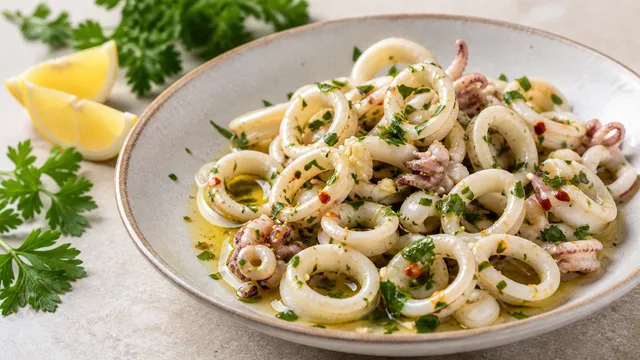
Keto Italian Squid Salad
Keto Italian squid salad with olive oil, lemon, parsley and garlic: 2 g net carbs, 24 g fat, 30 g protein per serving. Served lukewarm in 20 minutes.
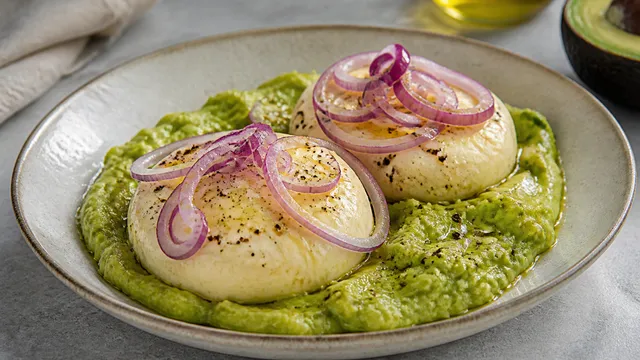
Handkase Cheese with Avocado Cream and Onions
Handkase with avocado cream, onions and lemon - approx. 5 g net carbs, 22 g fat per serving, ready in 10 minutes. A filling keto meal.

Handkase Cheese with Tahini-Lemon Sauce
Handkase cheese with tahini sesame paste, lemon, garlic and fresh cilantro - approx. 4 g net carbs, 21 g fat per serving, in 10 minutes. Levantine & keto.
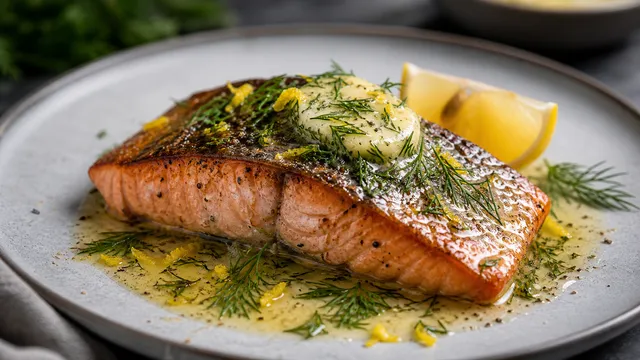
Keto Salmon with Lemon Dill Butter
Keto salmon with lemon dill butter, crispy pan-seared salmon filet with approx. 1 g net carbs, 38 g fat and 40 g protein, ready in just 15 minutes.
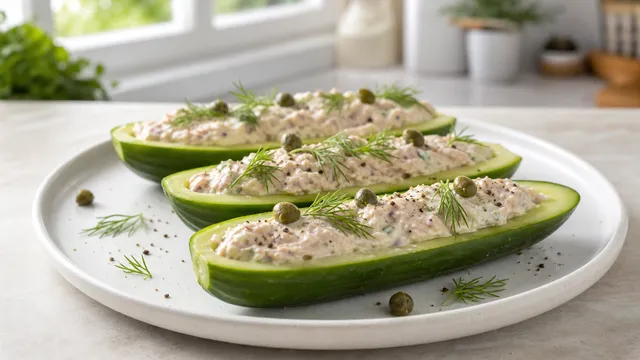
Keto Cucumber Boats with Tuna Cream - High-Protein Low-Carb Snack, No Cooking Required
Keto cucumber boats with tuna cream: crisp cucumber, cream cheese and capers - just 2 g net carbs, 20 g protein per serving, ready in 10 minutes.

Keto Chicken Thighs with Harissa and Green Olives
Keto chicken thighs with harissa and green olives: North African spices with lemon and coriander, just 3 g net carbs and 38 g fat in 25 minutes.
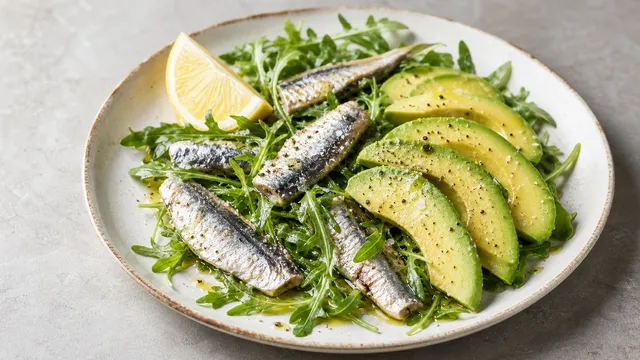
Keto Sardines Avocado Salad
Keto sardines avocado salad: sardines in olive oil with avocado, lemon and arugula. Just 3 g net carbs and 38 g fat per serving, ready in 8 minutes.
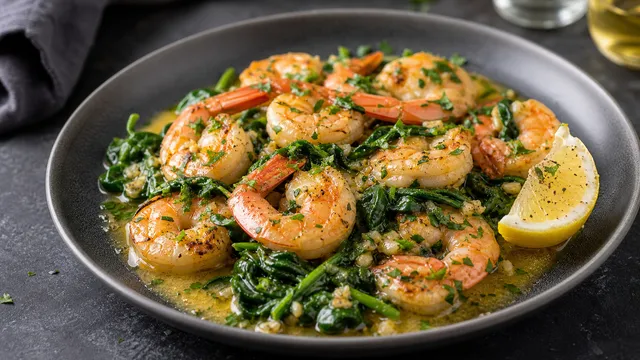
Keto Shrimp Scampi in Garlic Butter
Keto shrimp scampi in garlic butter: shrimp with lemon, baby spinach and parsley – just 2 g net carbs and 32 g fat per serving, ready in 12 minutes.
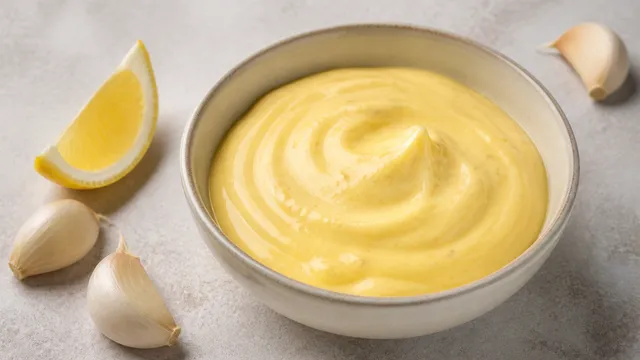
Keto Aioli - Homemade Garlic Mayonnaise
Homemade keto aioli: creamy garlic mayonnaise in approx. 10 minutes, with only approx. 0.3 g net carbs and 26 g fat per serving, without sugar.
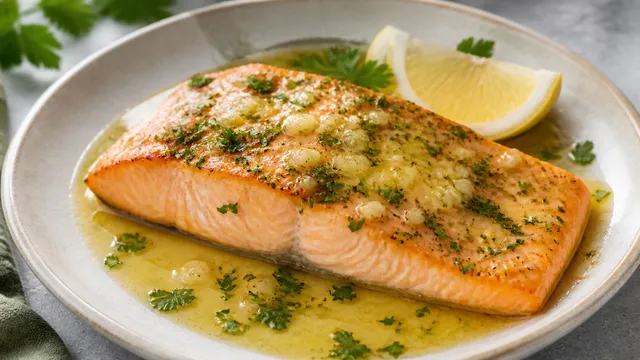
Keto Frozen Salmon in the Oven with Garlic Butter
Frozen salmon straight from the freezer into the oven, topped with garlic herb butter. Approx. 2 g net carbs, 42 g fat and 40 g protein. Fresh salmon works just as well.
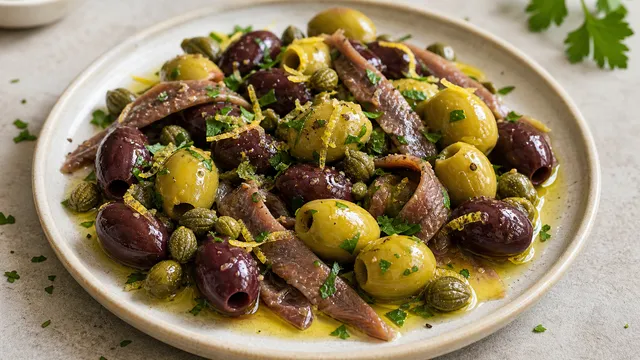
Keto Olive-Anchovy-Caper Antipasti Plate
Keto antipasti plate with olives, anchovies and capers, approx. 3 g net carbs and 26 g fat per serving. Sodium, calcium and omega-3, ready in 10 minutes.