Dijon Mustard: Heat Without the Sugar Trap
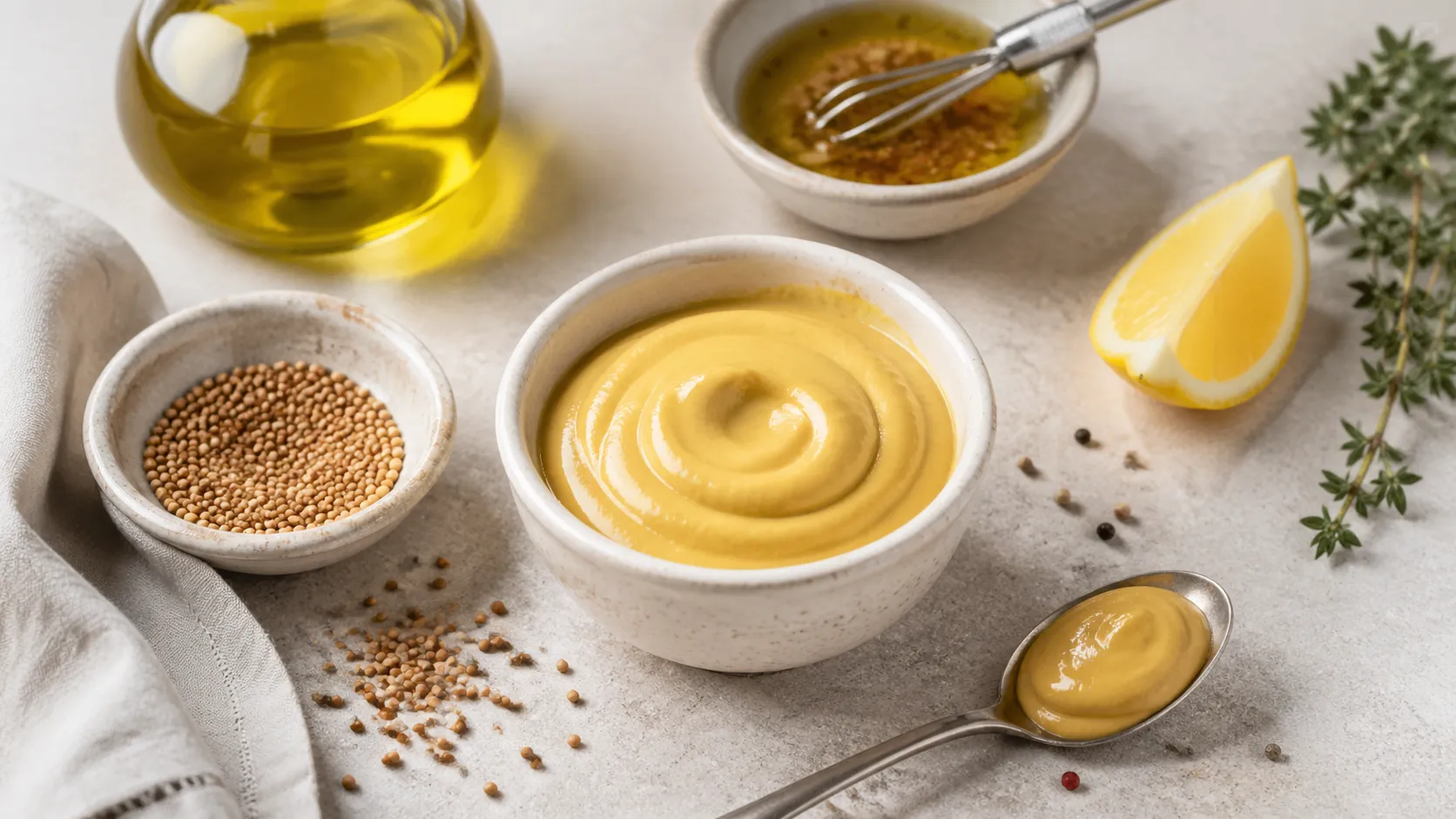
Real Dijon mustard delivers only around 4 to 6 g of net carbs per 100 g and, unlike many mustard varieties, contains neither added sugar nor honey (USDA FoodData Central, 2025). By comparison, supermarket sweet mustard often reaches 35 to 39 g of carbs per 100 g, almost entirely from sugar. With a glycemic index of 35 and a glycemic load of 3.3, Dijon mustard is one of the safest condiments on a keto diet. In addition, the mustard seed provides sinapic acid and the pungency-driving allyl isothiocyanate (AITC), which according to studies (JAOCS, 2024) shows anti-inflammatory properties.
Is Dijon Mustard Recommended for Keto?
With a glycemic index of 35 and a glycemic load of 3.3, Dijon mustard is one of the safest condiments on a ketogenic diet. While sweet mustard often contains more than 35 g of net carbs per 100 g, real Dijon mustard ranges from 4 to 8 g (USDA FoodData Central, 2025). For typical serving sizes of 1 to 2 teaspoons (5 to 10 g), the carbs come in below 0.5 g per serving, which is practically negligible. Dijon is traditionally made with verjuice or white wine, not with added sugar, which makes it the first choice for keto followers. Keto benefit: The mustard oils it contains stimulate metabolism and can positively influence insulin sensitivity. Its natural emulsifying effect is also handy: 1 teaspoon of Dijon in a vinaigrette made with 3 tablespoons of olive oil and 1 tablespoon of vinegar creates a stable bond that holds for several days.
What Pairs Well With It?
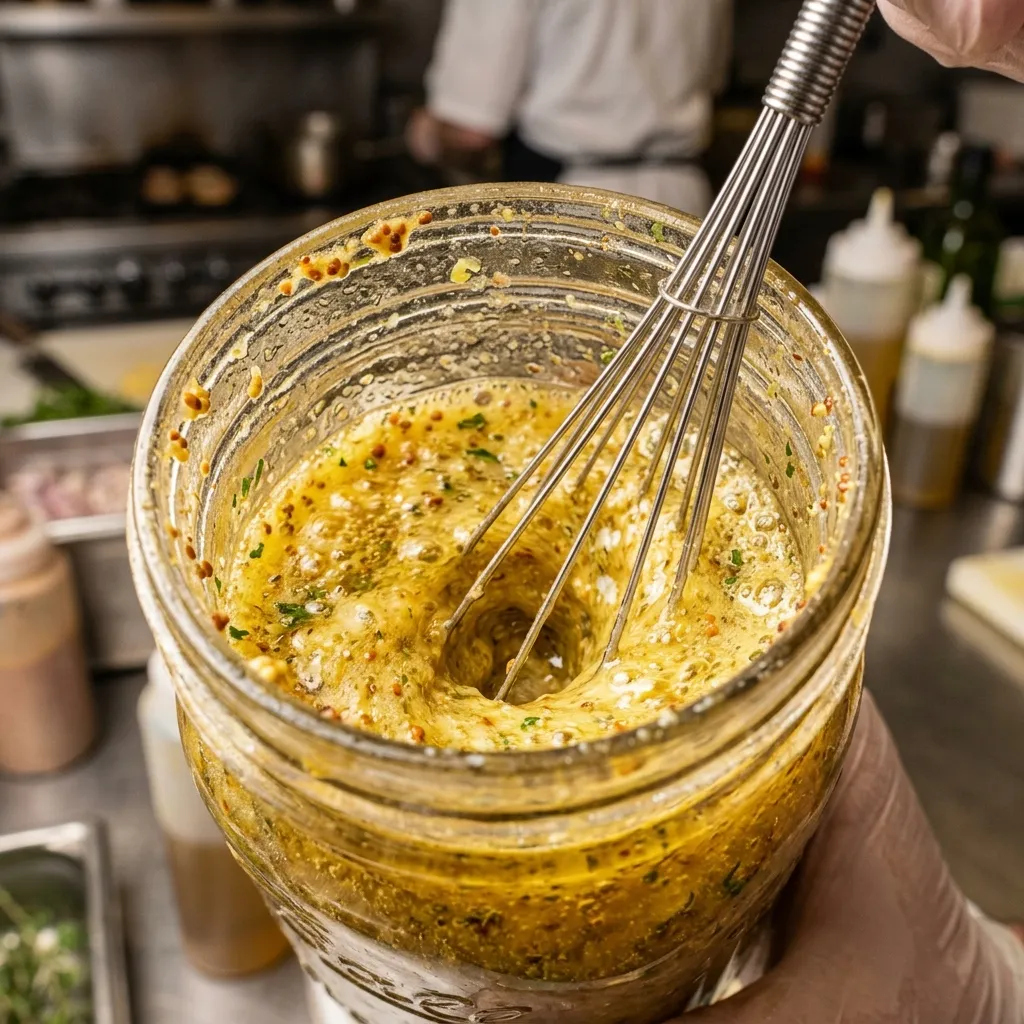
A study in Food Hydrocolloids showed that mustard mucilage emulsions exhibited no phase separation even after 21 days of storage at 25 degrees Celsius, considerably better than gum arabic or pectin (Food Hydrocolloids, 2015). That makes Dijon the top choice for keto dressings without starch or sugar as a binder. [PERSONAL EXPERIENCE] In practice, I often use it as a substitute for flour-based thickening in cream sauces, since mustard seeds bind liquid remarkably reliably. Dijon goes great with beef, in vinaigrettes with olive oil and lemon juice, or stirred into mayonnaise for a quick remoulade. [UNIQUE INSIGHT] A teaspoon of Dijon in a cold sauce can curb appetite, since the heat signals satiety faster via capsaicin-like receptors. Dressing secret: Dijon mustard acts as a chemical emulsifier. Its mucilage coats the oil droplets and prevents them from coalescing, providing emulsion stability of up to 80 percent over several days.
Pros & Cons of Organic Options
Mustard seeds contain sinapic acid and sinapine as their main antioxidant phenols, whose content, according to a review in JAOCS, depends heavily on variety, harvest year, growing region and processing (JAOCS, 2024). Organic cultivation without synthetic pesticides can favor these phenolic concentrations, an important point for keto followers since these antioxidants can reduce oxidative stress. Pros: No synthetic pesticides on the mustard seeds, often free of artificial preservatives such as sodium bisulfite (E 222), supports sustainable agriculture and promotes biodiversity. With organic Dijon, look for the EU organic logo or stricter certifications like Bioland or Demeter. Cons: Natural pungency can vary more strongly in organic products, since no standardized mustard extracts are used. Organic products typically cost 30 to 60 percent more (e.g. Byodo organic Dijon around 3.50 euros per 200 ml versus 1.80 euros for a conventional brand).
Intolerances & Allergens
Mustard is a labeling-mandatory allergen! Under EU Regulation 1169/2011, it must always appear in bold in the ingredient list. Mustard allergy affects about 0.1 to 0.5 percent of the European population and can cause severe allergic reactions up to anaphylaxis. Be cautious with cross-allergies to mugwort pollen and other brassicas like rapeseed or cabbage. In addition, many Dijon mustards contain sulfites from the white wine used, which is typically preserved with sulfur dioxide (E 220). If you react sensitively to sulfites, opt for varieties made with apple cider vinegar or verjuice instead of wine. Brands like Byodo clearly declare sulfites on the packaging, which makes the choice easier. For very sensitive stomachs, the pungent compound allyl isothiocyanate (AITC) can be irritating, but a moderate dose of 1 to 2 teaspoons per day is usually well tolerated.
Buying Guide: Where to Find the Best Keto Mustard?
Medium mustard derives its sweetness, according to Stiftung Warentest, typically from added (often caramelized) sugar, sometimes combined with honey or sweeteners (Stiftung Warentest). With real Dijon mustard, added sugar is the exception, but checking the ingredient list still pays off. Pure classics consist only of water, mustard seed, vinegar or wine, and salt. Recommended brands: Maille (French classic, about 2.50 euros per 200 ml), Byodo (organic, 3.50 euros), Edmond Fallot (artisanal Burgundy production, 4 to 5 euros). Avoid anything that contains 'sugar', 'dextrose', 'glucose-fructose syrup' or 'honey'. Even at just 1 percent sugar content, it adds up over the day with larger portions. Once opened, Dijon mustard keeps for about 6 to 12 months in the fridge. It loses pungency over time but usually remains microbiologically stable. Watch for discoloration, mold or unpleasant odors.
Our Keto-Compatible Dijon Mustard Recommendations
Top Keto Recipes with Dijon Mustard
- Chicken Caesar Salad: The dressing is based on egg yolk, oil and 1 tsp of Dijon. See recipe
- Lamb Chops in Herb Crust: The mustard serves as a sugar-free glue for the Parmesan crust. See recipe
Nutrition values
| Nutrient | Per 100 g (Dijon) |
|---|---|
| Net carbs | approx. 4.2 g |
| Fiber | approx. 3.8 g |
| Fat | 11.5 g |
| Protein | 7.1 g |
| Calories | 162 kcal |
FAQ
Is mustard generally keto-friendly?
Not every mustard is suitable. While Dijon mustard and hot table mustard are usually sugar-free, sweet mustard, honey mustard or BBQ mustard contain considerable amounts of sugar and should be avoided on keto.
How long does Dijon mustard keep?
Once opened, Dijon mustard keeps for about 6-12 months in the fridge. It loses pungency over time but usually remains microbiologically stable. Watch for discoloration or unpleasant odors.
Does mustard help against the keto flu?
Mustard seeds deliver around 738mg of potassium and 370mg of magnesium per 100g (<a href="https://fdc.nal.usda.gov/food-search/?query=Mustard%20seed%2C%20ground" target="_blank" rel="noopener">USDA FoodData Central, 2025</a>), both minerals that help with the keto flu. However, the typical serving of 1-2 tsp covers only a fraction of the daily requirement. Broth, avocado or targeted electrolytes remain the primary sources.
Keto recipes with Dijon Mustard
19 recipes on KetoWizard use Dijon Mustard. These put the ingredient front and centre.
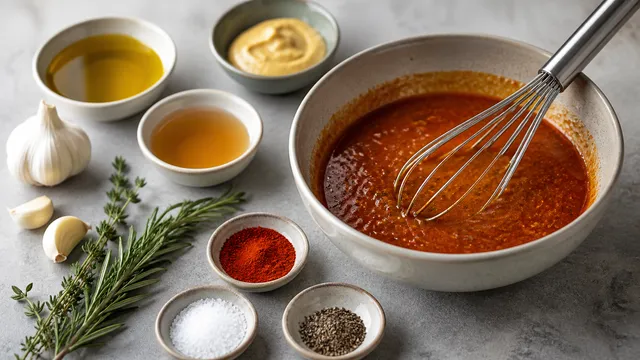
Keto Barbecue Marinade: Sugar-Free Base Recipe Plus Three Variations
Keto barbecue marinade without sugar or honey: an oil and mustard base with herbs, approx. 0.9 g net carbs and 21 g fat per serving - plus three variations for meat, fish and vegetables.
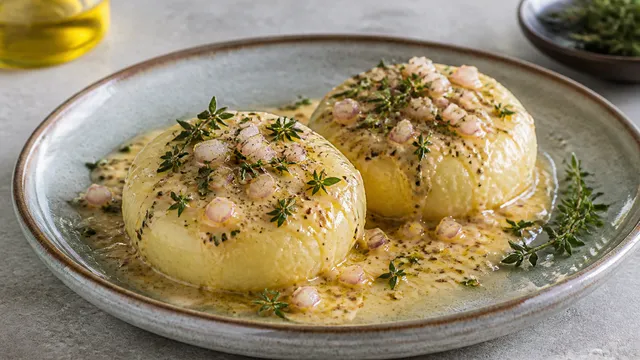
Handkase Cheese with Mustard Vinaigrette
Handkase cheese with Dijon mustard vinaigrette, thyme and olive oil - approx. 3 g net carbs, 16 g fat per serving, ready in 10 minutes. Elegant and keto.
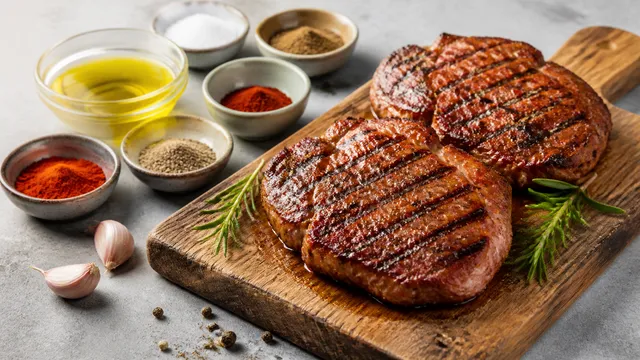
Keto Grilled Pork Neck Steaks: Seasoned Yourself, Not Pre-Marinated
Keto pork neck steaks from the grill with a homemade paprika and caraway rub: approx. 1 g net carbs and 40 g fat per serving - without the sugar of ready-made marinade.
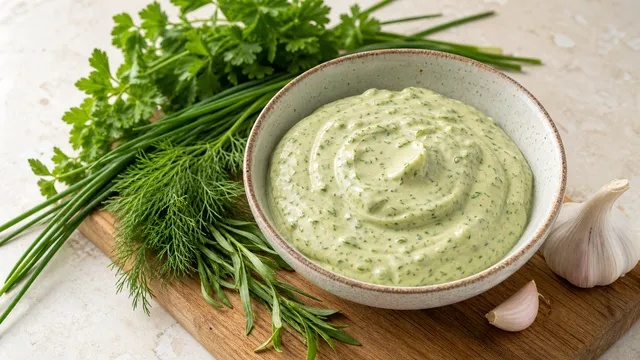
Keto Herb Mayonnaise
Homemade keto herb mayonnaise: ready in approx. 12 minutes, with only approx. 0.3 g net carbs and 24 g fat per serving, entirely without sugar.
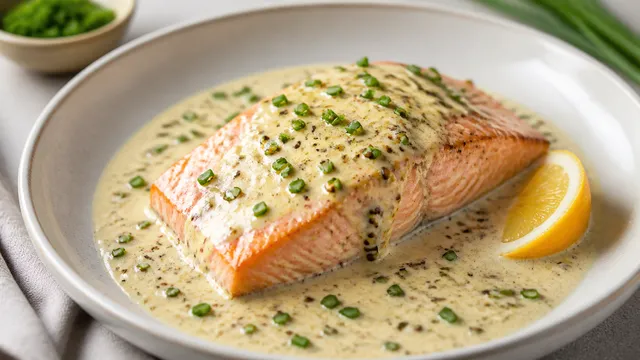
Keto Salmon in Mustard Cream Sauce
Salmon in a creamy Dijon mustard cream sauce with chives, approx. 3 g net carbs and 45 g fat. Ready in 20 minutes with frozen or fresh salmon.
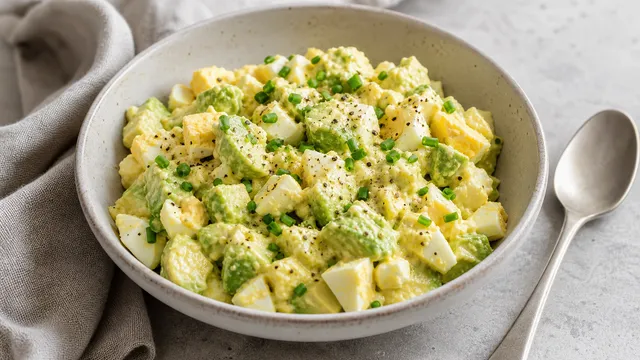
Keto Egg Avocado Salad - Quick 3-Minute Breakfast
Keto egg avocado salad for breakfast: only 2 g net carbs, 30 g fat and ready in 3 minutes - lightning fast with pre-cooked eggs.
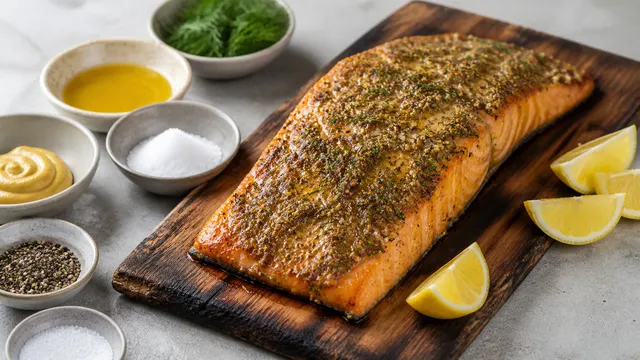
Keto Planked Salmon: Mustard-Dill Crust Instead of Honey Glaze
Keto planked salmon grilled on a wooden plank: dry cure with erythritol instead of sugar, mustard-dill crust, approx. 1 g net carbs and 28 g fat per serving.

Baked Handkase with Herb Butter
Baked handkase with herb butter, scallions and mustard – approx. 2 g net carbs, 16 g fat per serving, ready in 15 minutes. Keto and warm.
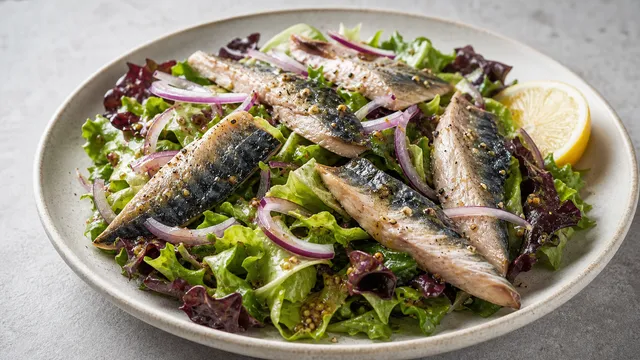
Keto Smoked Mackerel on Leafy Salad
Keto smoked mackerel on leafy greens with mustard vinaigrette: 2 g net carbs, 40 g fat, 26 g protein per serving. Ready in 10 minutes, no cooking.
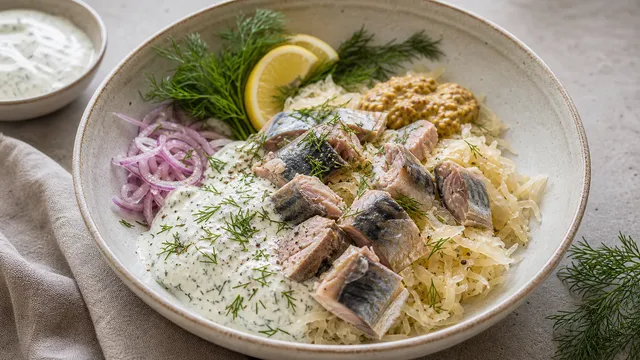
Keto Sauerkraut Mackerel Bowl with Dill
Keto sauerkraut mackerel bowl with dill and sour cream, approx. 4 g net carbs and 24 g fat per serving. Sodium from sauerkraut, potassium from mackerel, ready in 15 min.
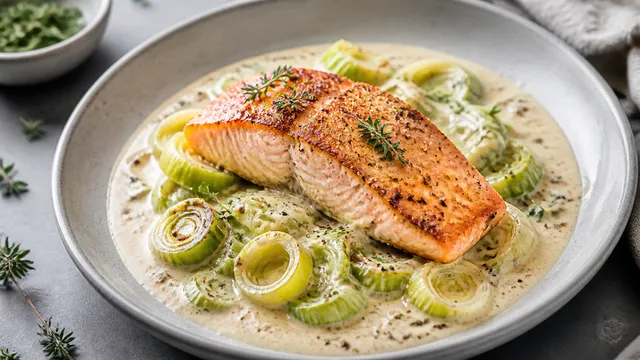
Keto Salmon on Leeks in Cream
Salmon on gently braised leeks in cream from the oven, approx. 6 g net carbs and 44 g fat. Ready in 35 minutes with frozen or fresh salmon.

Keto Cheese and Ham Roll-Ups with Mustard Dip, a Savory Low-Carb Snack with No Cooking
Keto cheese and ham roll-ups with mustard dip: Gouda, cooked ham and cream cheese, just 1.5 g net carbs, 22 g protein per serving, ready in 5 minutes, no cooking.