The Keto Snack Market in 2026: $4.5 Billion and Still Growing
The global ketogenic snack market reached $4.5 billion in 2026 and is projected to grow to $7.4 billion by 2034, according to market research by Strategy MRC. Snacks represent the largest single product category in the keto food market, accounting for approximately 44 percent of total product demand, with around 42 percent of keto followers regularly consuming packaged keto snacks. The broader ketogenic diet food market hit USD 10.4 billion in 2025 and is growing at roughly 5.1 percent annually. The category is being shaped by several intersecting trends: functional nutrition with added MCTs and electrolytes, plant-based adaptations, mainstream supermarket distribution (36.5 percent share in 2025), and the growing acceptance of low-carb eating alongside GLP-1 medications.
Market size and key growth drivers
The broader ketogenic diet food market was valued at USD 10.4 billion in 2025 and is projected to reach USD 16.3 billion by 2034, growing at a compound annual rate of approximately 5.1 percent. Snacks lead this market with around 31 to 44 percent share depending on the segment definition used. Key growth drivers include rising consumer awareness of insulin resistance and metabolic health, the mainstreaming of GLP-1 discussion that has elevated interest in hunger management, and the expansion of keto products into mainstream retail channels such as supermarkets and hypermarkets, which held a 36.5 percent distribution share in 2025.
Which product categories are growing fastest
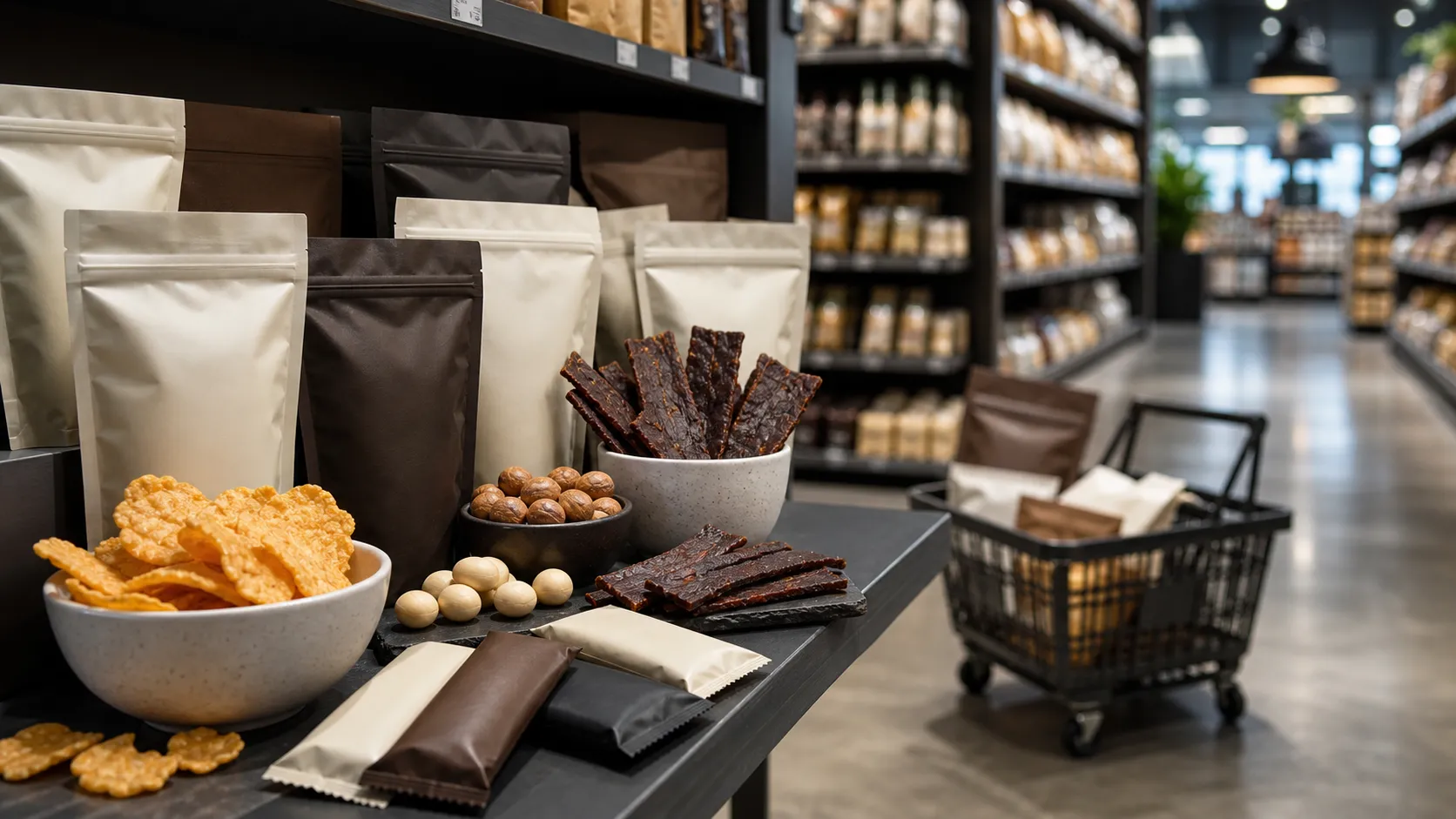
Keto protein bars, nut-based snacks, cheese crisps, and low-carb cookies are among the most consumed products. Around 42 percent of keto diet followers regularly consume packaged keto snacks. In 2026, the fastest-growing sub-category is plant-based keto snacks, as brands respond to demand from consumers who want low-carb options without animal products. This includes vegan-friendly keto bars, dairy-free cheese alternatives made from nuts, and products using coconut oil and nut flours as fat and carbohydrate substitutes. Online retail is growing at 6.81 percent CAGR and is expected to overtake some brick-and-mortar channels by the early 2030s.
What actually makes a snack keto
A keto-labelled snack typically contains no more than 5 grams of net carbohydrates per serving, with net carbs calculated as total carbohydrates minus dietary fibre and sugar alcohols such as erythritol. High fat content from sources like nuts, seeds, coconut, or animal products is standard. Protein is usually moderate. The challenge for manufacturers is achieving satisfying taste and texture without starch, sugar, or refined flour, which are the primary cheap ingredients in conventional snack foods. Many keto snack products use almond flour, psyllium husk, or tapioca-free thickeners to meet this requirement.
Reading keto snack labels carefully
Not all products marketed as keto are genuinely low-carbohydrate. Some products use high-glycaemic sugar alcohols like maltitol, which can still spike blood sugar, or list net carbs in ways that are misleading. Consumers in the keto community are increasingly sophisticated label readers. The Reddit keto communities regularly flag products that claim to be keto-friendly but contain ingredients that raise blood glucose. When evaluating a keto snack, check total carbohydrates, the type of sugar alcohol used, and the net carbs per full serving rather than per piece.
Homemade versus packaged keto snacks
A recurring discussion in keto communities in 2026 is whether packaged keto snacks are worth the premium price. Homemade alternatives using cheese, nuts, eggs, or almond flour can achieve the same low-carb profile at a fraction of the cost. The main advantages of packaged products are convenience, portability, and consistent macronutrient labelling. For people new to keto, packaged products can also reduce the learning curve. The keto community generally recommends whole-food snacks as the baseline and treats packaged options as convenient additions rather than dietary staples.
FAQ
How big is the keto food market in 2026?
The global ketogenic snack market is valued at $4.5 billion in 2026. The broader keto food market was valued at USD 10.4 billion in 2025. Both segments are growing at approximately 5–6 percent annually.
What are the most popular keto snacks?
Keto protein bars, cheese crisps, nut-based snacks, and low-carb cookies dominate the market. Plant-based keto snacks are the fastest growing sub-category in 2026.
Are keto snacks healthy?
That depends on the ingredients. Keto snacks based on whole foods like nuts, seeds, and cheese are generally nutrient-dense. Highly processed keto products may contain sugar alcohols, seed oils, or additives that some people prefer to avoid. Reading labels carefully is essential.