
Keto Diet Cuts Liver Fat by 77% in 2026 MASLD Trial
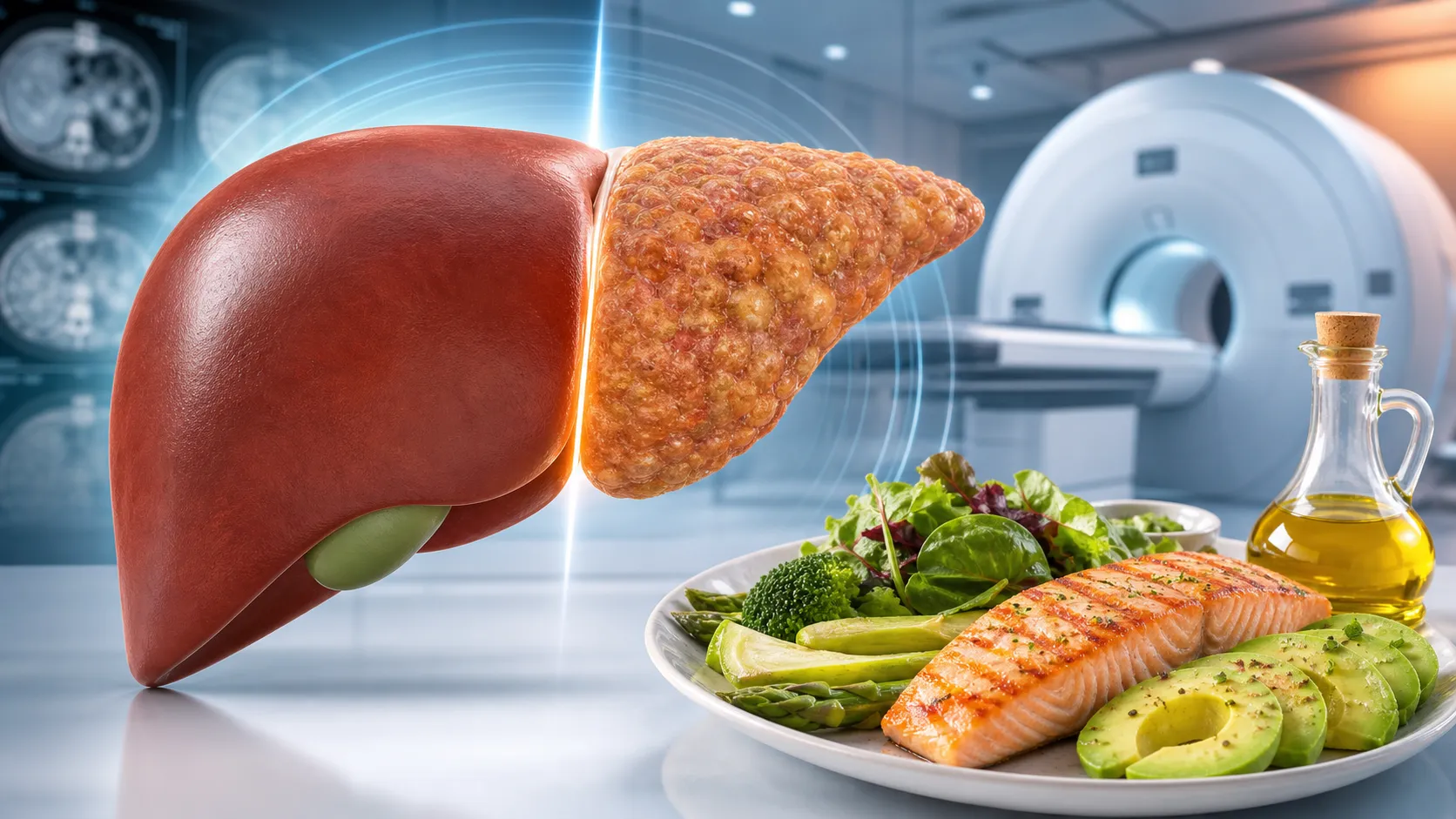
A randomized pilot study published in 2026 found that a very low-energy ketogenic diet (VLED) reduced liver fat in patients with metabolic dysfunction-associated steatotic liver disease (MASLD) by 77 percent over 12 weeks, compared to just 14 percent with a Mediterranean diet. The same trial showed 69 percent of keto participants normalized their hepatic fat levels, while none in the Mediterranean group reached that endpoint. Body weight fell by 13 percent in the VLED group versus 4 percent in the control arm. MASLD affects an estimated 32 percent of adults worldwide (Riazi et al., Lancet Gastroenterol Hepatol 2022) and has no approved pharmaceutical treatment as of 2026. These results are among the most striking published for any dietary intervention in liver fat reduction.
How the trial was designed
The randomized pilot study, published in a peer-reviewed gastroenterology journal in early 2026, enrolled 25 adults with confirmed MASLD (14 in the VLED group, 11 in the Mediterranean diet group) across a 24-week protocol. In the first phase (weeks 1–12), participants followed only their assigned diet; from week 13 onward, the VLED group received low-dose semaglutide (0.5 mg weekly) for weight maintenance. The key results reported here refer to the primary 12-week dietary endpoint. Liver fat was measured by MRI-based proton density fat fraction, which provides an accurate and reproducible quantification of hepatic steatosis. Researchers also tracked body weight, metabolic markers, and patient adherence throughout the study period.
Key results: liver fat and weight loss
After 12 weeks, participants on the VLED lost 13% of their body weight on average, versus 4% in the Mediterranean diet group. The most dramatic difference was in liver fat reduction: 77% in the keto group versus 14% in the Mediterranean group (pilot trial, PubMed 2026). Among keto participants, 69% achieved complete normalization of hepatic fat, a threshold the Mediterranean diet group did not reach. A separate retrospective study published in Frontiers in Nutrition also confirmed that the ketogenic diet significantly reduced fasting insulin and hepatic steatosis compared to a calorie-restricted diet.
Why keto may work especially well for liver fat
MASLD is strongly linked to insulin resistance and excess delivery of free fatty acids to the liver. By drastically reducing carbohydrate intake, the ketogenic diet lowers circulating insulin levels and shifts the liver away from fat storage toward fat burning. Ketone body production also suppresses de novo lipogenesis, the liver's internal fat-making process. This combination of mechanisms makes a low-carbohydrate dietary approach particularly well matched to MASLD pathophysiology, even if long-term evidence in humans is still being gathered.
Important caveats: muscle loss and long-term safety
The retrospective study (Frontiers in Nutrition) noted that the keto group experienced significantly greater muscle loss compared to a calorie-restricted diet, despite comparable weight reduction (3.0 kg vs. 1.8 kg, p < 0.001). This is consistent with concerns raised by other researchers about lean mass preservation on very low-carbohydrate diets. Additionally, animal studies published in Science Advances (2025) and widely reported in early 2026 — see this ScienceDaily report from January 2026 — raised questions about prolonged keto diets causing worsening insulin secretion and fatty liver development over time. Both findings underline that the short-term benefits seen in clinical MASLD trials may not translate automatically to long-term outcomes.
What this means for people with fatty liver
MASLD affects an estimated 32% of adults worldwide, according to a large meta-analysis in the Lancet Gastroenterology & Hepatology (Riazi et al. 2022), and has no approved pharmaceutical treatment as of 2026. Dietary change remains the cornerstone of management. The 2026 data suggests that a structured ketogenic dietary intervention, supervised by a clinician, can produce rapid and substantial liver fat reduction in the short term. Anyone diagnosed with MASLD should discuss dietary options with a hepatologist or gastroenterologist before starting a ketogenic diet, particularly if they have additional comorbidities such as type 2 diabetes or chronic kidney disease.
FAQ
Can the keto diet cure fatty liver disease?
The 2026 trial shows that a very low-energy ketogenic diet can normalize liver fat in the majority of MASLD patients within 12 weeks, which is a significant outcome. However, 'cure' is a strong term — MASLD can return if dietary habits revert. Long-term maintenance and lifestyle change are essential, and any dietary intervention should be supervised by a doctor.
How does keto compare to the Mediterranean diet for MASLD?
In the 2026 randomized pilot trial, the VLED outperformed the Mediterranean diet on every measured liver outcome: 77% vs. 14% liver fat reduction and 13% vs. 4% total weight loss at 12 weeks. That said, the Mediterranean diet has stronger long-term evidence for overall cardiovascular and metabolic health.
Is a very low-energy ketogenic diet safe for everyone?
No. A VLED (typically under 800 kcal/day) carries risks including muscle loss, electrolyte imbalances, and nutrient deficiencies. It is not appropriate for people with certain kidney, heart, or liver conditions, and must be conducted under medical supervision. Speak to your doctor before attempting any very low-calorie protocol.