
Keto and LDL Cholesterol: What 2026 Research Reveals
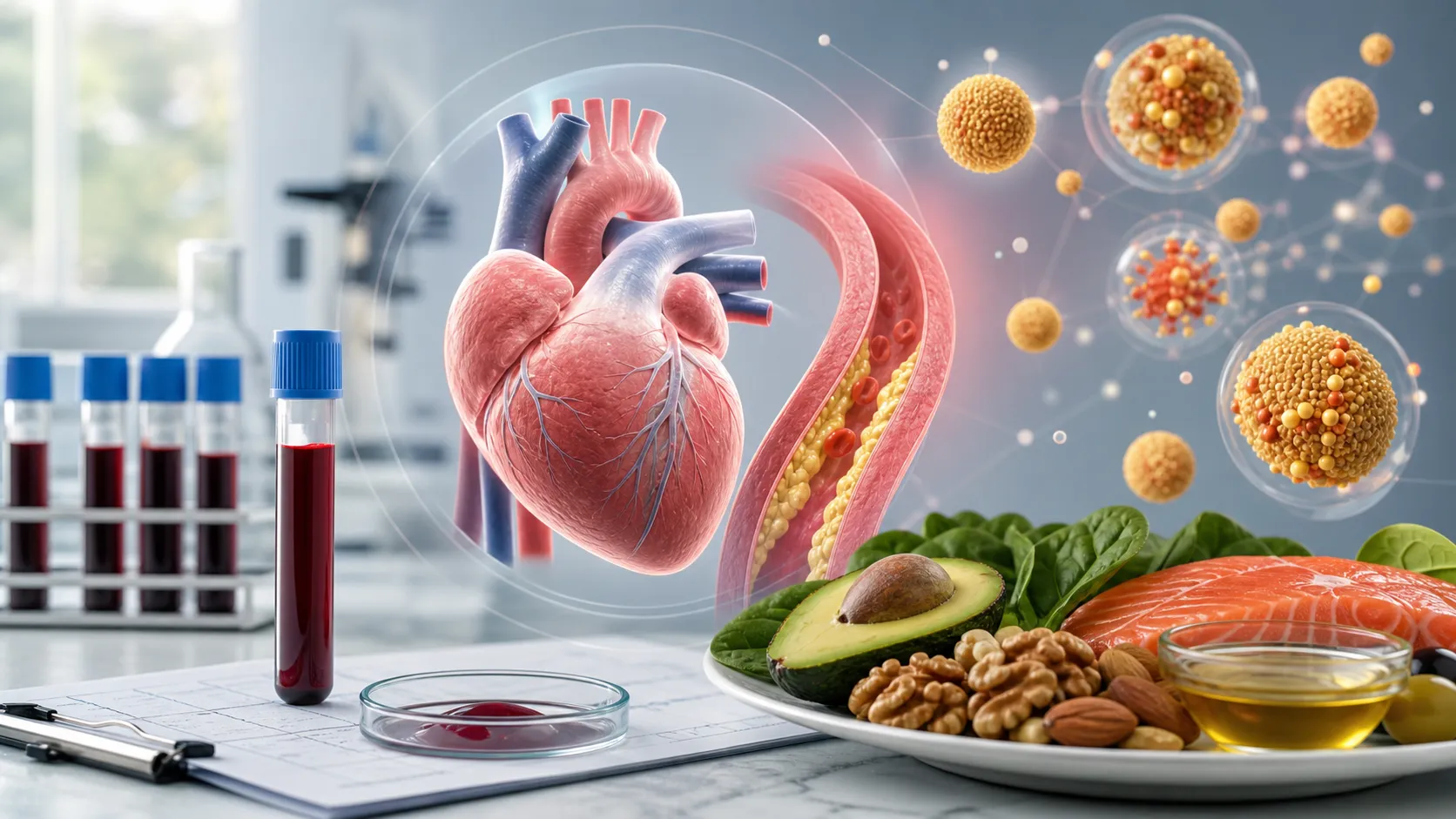
A comprehensive meta-regression analysis of randomized controlled trials, published in 2026, pooled data from 62 keto studies in adults and confirms that ketogenic diets raise LDL cholesterol by approximately 8 to 9 mg/dL on average, alongside increases in total cholesterol and HDL. At the same time, triglyceride levels and fasting blood glucose fell significantly, and the triglyceride-to-HDL ratio (a key marker of insulin resistance) improved. The KETO Trial in JACC: Advances (2024) also showed that, despite LDL levels 149 mg/dL higher than matched controls, coronary calcium scores were no different. The cardiovascular implications of this mixed lipid profile remain a subject of active research and clinical debate, with normal-weight 'hyper-responders' and people with familial hypercholesterolemia requiring particular caution.
What the 2026 meta-regression analysis found
The meta-regression analysis, published in a peer-reviewed endocrinology journal in 2026, pooled data from 62 randomized controlled trials on ketogenic diets in adults. Ketogenic diets were associated with a statistically significant decrease in triglycerides and the triglyceride-to-HDL ratio, as well as lower fasting insulin and blood glucose. However, LDL cholesterol rose by a mean of 8.49 mg/dL, and total cholesterol also increased compared to control groups. HDL, often called 'good cholesterol', also rose, which is generally considered beneficial.
Higher LDL risk in normal-weight individuals
A separate meta-analysis (Nutrition Reviews, 2023) focused on normal-weight adults — those with a BMI under 25 — found larger absolute increases in total cholesterol (approximately 57 mg/dL) and LDL cholesterol (42 mg/dL) from ketogenic diets. This contrasts with the more modest increases seen in overweight or obese populations. Researchers hypothesized that lean individuals may have different baseline metabolic responses to high fat intake, making elevated LDL a more prominent concern in this group.
The KETO Trial and atherosclerosis concern
The KETO Trial, published in JACC: Advances (2024), investigated whether carbohydrate restriction-induced LDL elevation translates into greater coronary plaque burden. The key finding was reassuring: despite KETO participants maintaining a mean LDL-C of 272 mg/dL — 149 mg/dL higher than matched controls — coronary artery calcium scores and total plaque scores showed no significant difference between groups (p = 0.52). No significant correlation was found between LDL-C level and coronary plaque (r = 0.12, p = 0.29). The authors note that LDL particle profiles were not measured in this preliminary analysis and that long-term cardiovascular outcome data are still needed.
The positive side: triglycerides and HDL
While LDL increases attract the most attention, researchers note that the triglyceride-to-HDL ratio — one of the strongest predictors of insulin resistance and small dense LDL particle count — improved substantially on ketogenic diets. Lower triglycerides and higher HDL together suggest improved metabolic health in many participants. Some cardiologists argue that in insulin-resistant individuals, the overall lipid pattern on keto may be net-positive despite the LDL rise, though this remains contested.
Who should be cautious about keto and cholesterol
People with familial hypercholesterolemia, established coronary artery disease, or a personal or family history of cardiovascular events should discuss the cholesterol implications of a ketogenic diet carefully with their cardiologist before starting. The 2026 evidence reinforces that routine cholesterol monitoring is important for anyone following a long-term ketogenic diet. If LDL rises significantly — particularly above 190 mg/dL — a medical review of diet composition (fat source quality, fiber intake) or pharmacological options may be warranted.
FAQ
Does keto always raise LDL cholesterol?
Not always, but the 2026 meta-analysis of 62 trials found an average LDL increase of about 8–9 mg/dL. Individual responses vary considerably based on genetics, body weight, and the types of fat consumed. Some people experience dramatic LDL rises (so-called 'hyper-responders'), while others see little change or even a reduction.
Should I be worried about LDL going up on keto?
It depends on your baseline cardiovascular risk. The triglyceride-to-HDL ratio improvement is considered a positive metabolic signal. However, large LDL increases warrant clinical attention, especially in people with pre-existing heart disease or familial hypercholesterolemia. Have your cholesterol checked after 3 months on keto and discuss results with your doctor.
Can I lower LDL while on keto?
Yes. Replacing saturated fat sources (e.g. butter, processed meats) with unsaturated fats (e.g. olive oil, avocado, nuts) often reduces LDL without abandoning ketosis. Some people also find that adding more fiber-rich low-carb vegetables helps. If LDL remains elevated despite dietary adjustments, speak with your doctor about further options.