Keto Diet, Gut Microbiome, and Depression: 2026 Research Update
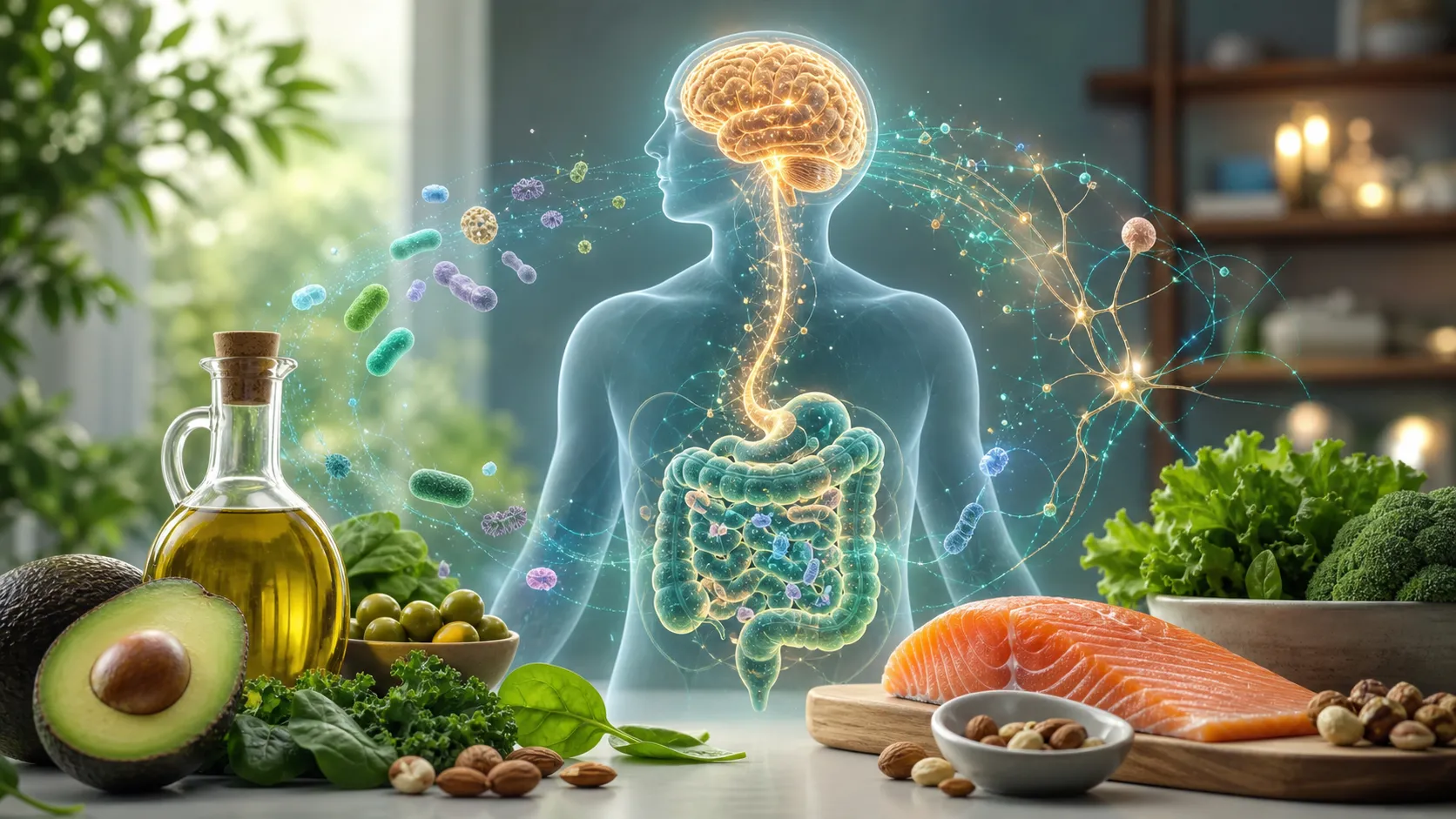
A pilot study published in January 2026 compared ketogenic and Mediterranean diets in 64 adults with obesity for their effects on depression, anxiety, and gut microbiome composition. The main finding was that the Mediterranean diet produced greater improvements in depression scores, while keto was associated with reduced impulsivity. A separate 2026 meta-analysis of ten randomised controlled trials found that keto diets were significantly associated with reduced depressive symptoms in non-obese populations, particularly when ketosis was biochemically confirmed. Together, the two studies sketch a more nuanced picture: diet genuinely influences mood through the gut-brain axis, but the better diet for mental health depends on the target symptom and the population, not on a single universal answer.
How the gut-brain pilot study was designed
The study (PubMed 41197688) enrolled 64 participants with a body mass index between 30 and 45 kg per square metre and ages between 18 and 65. Participants were randomly assigned to follow either a ketogenic or Mediterranean diet for three months, with 37 completing the full protocol. Researchers assessed depression and anxiety scores using validated psychiatric scales, and collected stool samples to analyse microbiome changes. Fecal transplants from human participants into germ-free mice were used to test whether gut microbiome changes causally influenced anxiety-like behaviour.
Depression and mood: Mediterranean edges ahead
After three months, the Mediterranean diet group showed significantly greater improvements in depression scores compared to the keto group. Researchers attributed this difference in part to the Mediterranean diet's prebiotic fibre content from legumes, vegetables, and wholegrains, which promotes a more diverse gut microbiome. The ketogenic diet group showed improvements in impulsivity measures, which could benefit individuals with attention or impulse-control difficulties. Both diets reduced anxiety scores, with no statistically significant difference between the two groups on anxiety outcomes.
What happened to the gut microbiome on keto
The ketogenic group showed significant alterations in gut microbiome composition and metabolite profiles. Brain tissue from mice that received fecal transplants from keto-diet participants showed increased levels of taurine, alanine, and betaine, and these mice displayed anxiety-like behaviour in standard rodent tests. This suggests that the gut microbiome changes induced by keto may mediate some of its psychological effects. The authors were careful to note that these are preliminary mechanistic findings in an animal model and that direct causal conclusions for humans require further research.
2026 meta-analysis: keto does reduce depressive symptoms
A separate systematic review and meta-analysis (PubMed 41191382) of ten randomised controlled trials published in January 2026 found that ketogenic diet interventions were significantly associated with reductions in depressive symptoms compared to control diets. The association was stronger in studies that included ketone monitoring and in participants who were not obese. Nine RCTs on anxiety showed no statistically significant association with keto. The authors concluded that keto may have a meaningful antidepressant effect in certain populations, but that Mediterranean-style diets remain the better-evidenced dietary intervention for mental health overall.
What this means for people using diet to support mental health
These studies do not establish keto as a treatment for depression, and dietary changes should never replace professional mental health care or prescribed medication. However, the evidence suggests that diet genuinely influences mood via the gut-brain axis, and that both keto and Mediterranean diets have measurable psychological effects. For people with obesity and depression, the Mediterranean diet appears to have a stronger evidence base for mood improvement. For people specifically struggling with impulsivity or who benefit from the appetite-suppressing effects of ketosis, keto may offer complementary advantages. A consultation with both a dietitian and a mental health professional is advisable before making major dietary changes for mental health reasons.
FAQ
Can the keto diet treat depression?
Keto is not an established treatment for depression and should not replace professional mental health care or medication. A 2026 meta-analysis found a significant association between keto diets and reduced depressive symptoms, but a head-to-head pilot study found the Mediterranean diet improved depression scores more. The evidence is promising but preliminary, and responses vary widely between individuals.
How does the gut microbiome affect mental health on keto?
The ketogenic diet substantially changes gut microbiome composition, reducing the diversity of fibre-fermenting bacteria and altering metabolite production. A January 2026 pilot study found that these microbiome changes were associated with increased anxiety-like behaviour in an animal model. This is an active area of research, and the long-term implications for human mental health are not yet fully understood.
Is Mediterranean or keto better for anxiety?
A 2026 meta-analysis found no significant difference between keto and control diets for anxiety outcomes across nine RCTs. The head-to-head pilot study also found no significant difference between keto and Mediterranean for anxiety. For depression specifically, the Mediterranean diet showed stronger improvements in the pilot study, but keto outperformed on impulsivity measures.