
How the Keto Diet Stops Seizures: New 2026 Mechanism Revealed
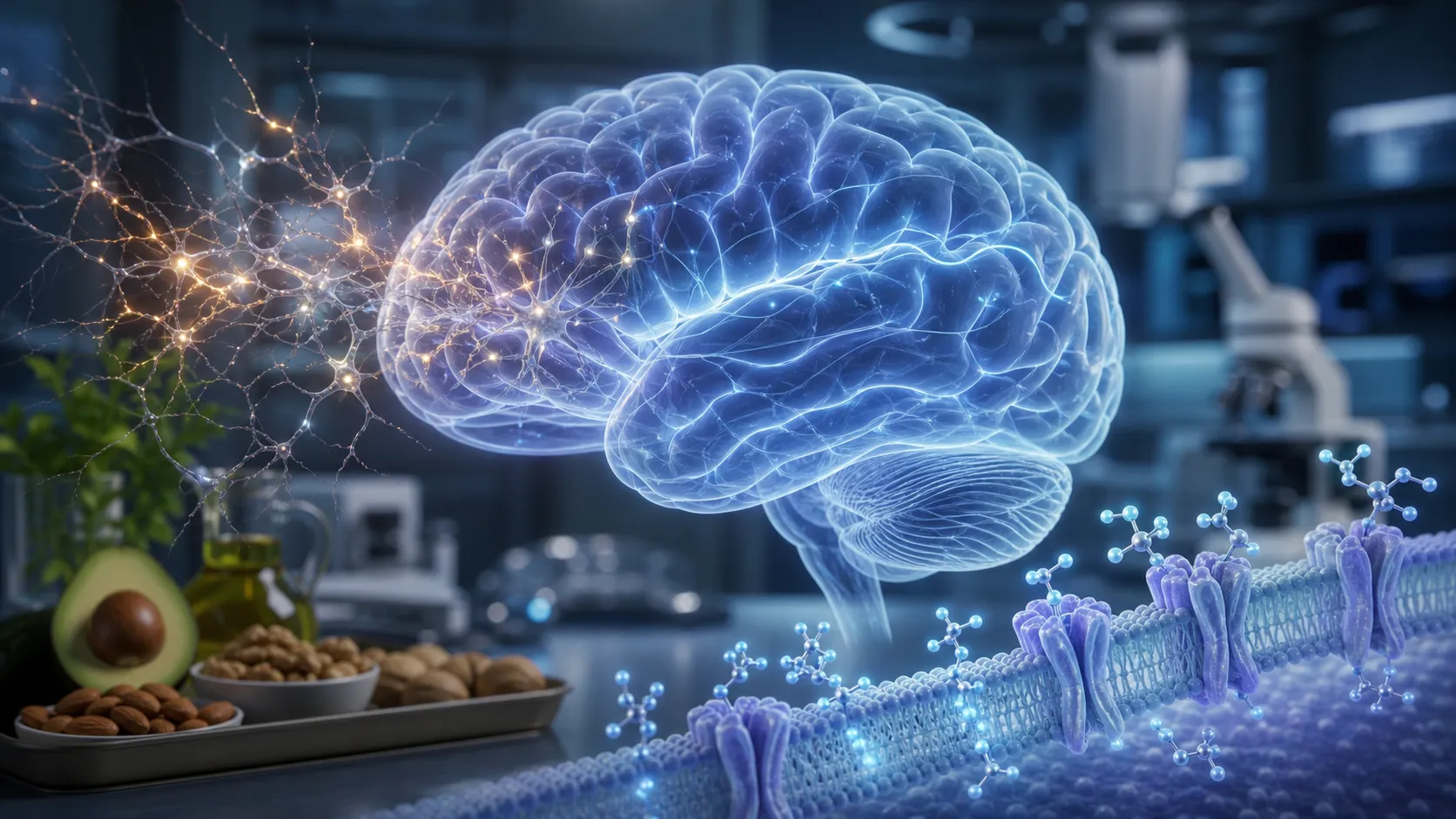
Researchers at the University of Virginia Health System have revealed for the first time exactly how the ketogenic diet prevents epileptic seizures at a molecular level, a breakthrough that also sheds light on potential neuroprotective mechanisms relevant to Alzheimer's and Parkinson's disease. Approximately one third of epilepsy patients do not respond to available antiseizure medications, yet the ketogenic diet has shown roughly 50 to 60 percent seizure-reduction rates and 10 to 15 percent seizure-freedom in drug-resistant cases for over a century. The findings, published in 2026, identify beta-hydroxybutyrate activation of the HCAR2 receptor as the key brake on neuronal hyperexcitability. They open pathways toward new drug targets that could replicate the diet's effects without requiring strict dietary adherence.
The molecular discovery
The UVA research team identified that ketone bodies — specifically beta-hydroxybutyrate — activate the HCAR2 receptor (hydroxycarboxylic acid receptor 2) in brain cells, suppressing neuronal hyperexcitability — the core mechanism underlying epileptic seizures. HCAR2 had not previously been linked to the diet's anti-seizure effect; it is concentrated in the hippocampus and in the specific neuron types associated with seizures. It helps stabilize membrane potential in neurons. When carbohydrate intake is dramatically reduced, the sustained elevation of circulating ketones keeps this receptor active, providing a continuous brake on abnormal electrical activity in the brain.
Why this matters for drug-resistant epilepsy
Approximately one-third of epilepsy patients do not respond to available antiseizure medications (Chen et al., JAMA Neurol. 2018). The ketogenic diet has been used clinically for over a century — originally in the 1920s — but its mechanism remained incompletely understood until now. With the molecular target identified, pharmaceutical researchers can now attempt to design drugs that activate the same channel as ketones do, potentially offering the anti-seizure benefits of the ketogenic diet in a form more accessible to patients who cannot maintain strict dietary compliance.
Potential implications for Alzheimer's and Parkinson's
The same neuronal channel that ketones activate in epilepsy is also disrupted in early-stage neurodegenerative diseases including Alzheimer's and Parkinson's disease. The UVA team noted that their findings raise the possibility that the ketogenic diet's neuroprotective effects observed in animal models of neurodegeneration may operate through the same pathway. Human trials in neurodegenerative conditions are still at early stages, but this mechanistic overlap provides a plausible biological rationale for studying keto in these diseases more systematically.
The keto diet in clinical epilepsy today
As of 2026, the ketogenic diet — alongside its modified variants such as the modified Atkins diet and the low glycemic index treatment — is a recognized therapeutic option for drug-resistant epilepsy in children and increasingly in adults. It is typically administered under the supervision of a specialized ketogenic diet team that includes a neurologist, dietitian, and nurses. Success rates vary, but approximately 50–60% of patients who adhere to the diet experience a meaningful reduction in seizure frequency, and around 10–15% become seizure-free (Martin-McGill et al., Cochrane 2020).
What this research means in practice
For people with epilepsy or their caregivers, the 2026 mechanistic findings reinforce that the ketogenic diet is not a pseudoscientific remedy but a diet with a now well-characterized molecular mechanism. This may improve access to ketogenic diet programs as insurers and hospital systems gain confidence in the underlying science. However, the diet remains a medical intervention that requires professional supervision, careful monitoring, and individualized adjustment. Anyone interested in the ketogenic diet for epilepsy should consult a neurologist specializing in dietary therapies.
FAQ
How does the keto diet prevent seizures?
According to the 2026 UVA study, ketone bodies — particularly beta-hydroxybutyrate — activate a specific neuronal channel that suppresses abnormal electrical activity in the brain. This keeps neurons from becoming hyperexcitable and reduces the likelihood of seizures firing.
Is the keto diet effective for all types of epilepsy?
No. The ketogenic diet works best for drug-resistant epilepsy, especially in children with certain epilepsy syndromes. It is not a first-line treatment and is typically tried after two or more medications have failed. Effectiveness varies by epilepsy type and individual. Always consult a neurologist before pursuing a ketogenic diet for epilepsy management.
Can keto help with Alzheimer's or Parkinson's disease?
The 2026 mechanistic research suggests a shared pathway between keto's anti-seizure effects and neuroprotection relevant to Alzheimer's and Parkinson's disease. However, human clinical evidence in these conditions remains very limited. The ketogenic diet should not currently be used as a standalone treatment for neurodegenerative diseases; speak with a neurologist about any dietary changes if you have such a diagnosis.