
Is Almond Flour Keto?
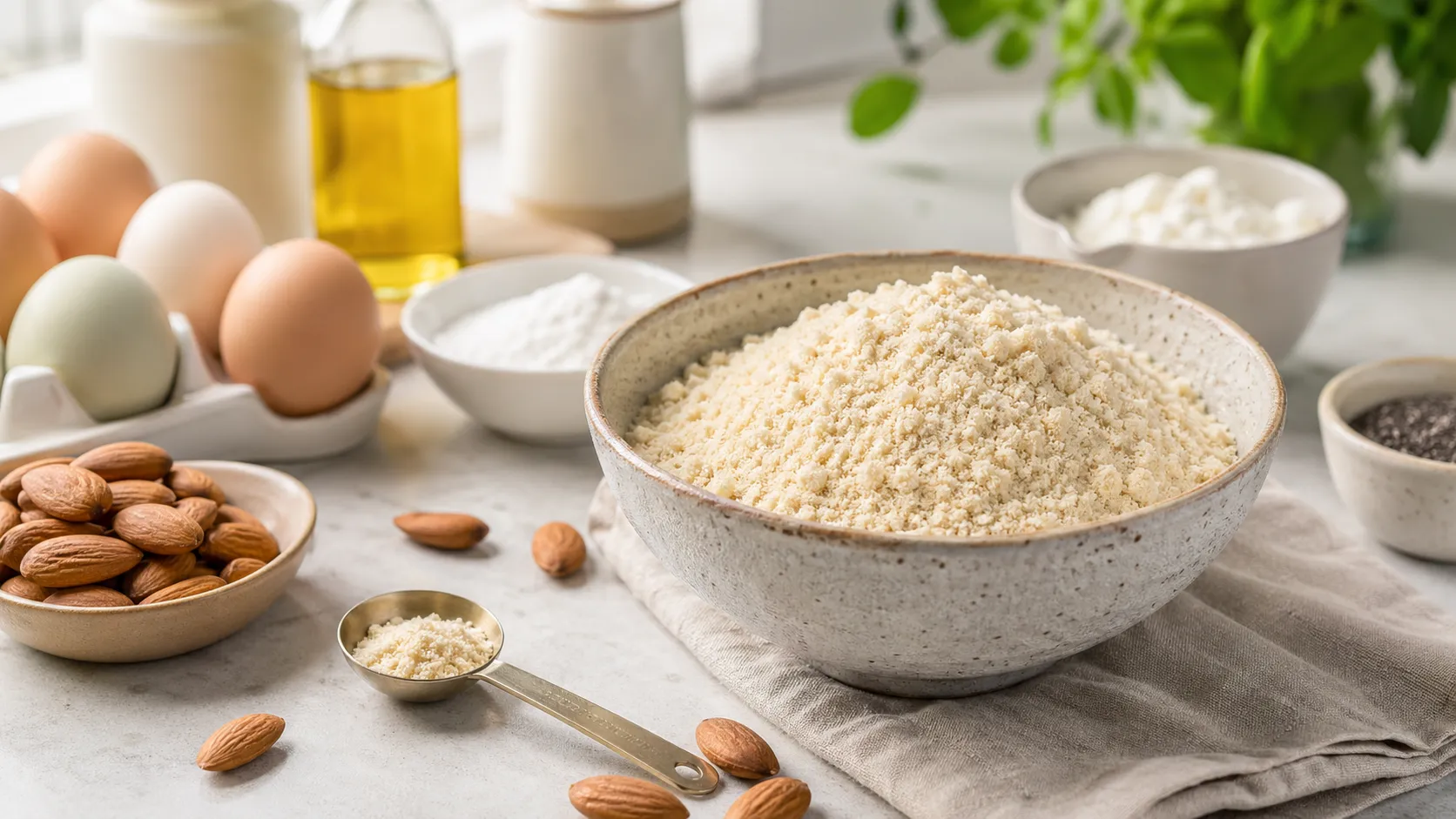
Almond flour is one of the most popular keto baking ingredients, but portions still matter because the carbs add up in larger recipes. Per 100 grams, almond flour provides 7 to 10 grams of net carbs, compared to wheat flour at about 71 grams. That makes almond flour an excellent low-carb substitute for pancakes, muffins, bread alternatives, and pie crusts. Yet, a single cake made with 300 grams of almond flour still contains 20 to 30 grams of net carbs spread across the whole batch. A single serving usually delivers 2 to 4 grams of net carbs, which fits comfortably into a strict keto budget of 20 to 30 grams per day. The key is understanding portions and choosing the right almond flour for the recipe.
Keto verdict
Almond flour is generally keto-friendly in moderate portions. It is much lower in carbs than wheat flour (7 to 10 grams of net carbs per 100 grams versus 71 grams) and works well for pancakes, muffins, bread substitutes, pie crusts, and breading. The fat content varies: blanched almond flour from whole almonds contains about 50 grams of fat per 100 grams, while defatted almond flour (made after oil extraction) has only 12 grams of fat but up to 50 grams of protein. Both types work for keto, but they absorb liquid very differently. A PubMed systematic review (PMC9844441) shows that almonds and almond products positively affect cardiometabolic health, including LDL cholesterol, blood sugar response, and inflammation markers. For most home bakers, fine blanched almond flour from peeled almonds delivers the most reliable results in light-colored, neutral-tasting baked goods.

Portion guidance
Check the label and calculate net carbs per actual serving, not just per 100 grams. Large baked goods can still contain more carbs than expected when divided into too few portions. A keto bread made from 250 grams of almond flour, cut into 12 slices, delivers roughly 1.5 to 2 grams of net carbs per slice, which fits a strict keto diet easily. A cake made from 300 grams of almond flour, cut into only 8 pieces, comes in at 2.5 to 4 grams of net carbs per piece, which is still acceptable but uses more of the daily budget. For breading or thickening sauces, even smaller amounts (10 to 20 grams) are common. Always weigh ingredients with a kitchen scale, because volume measurements (cups) can vary by 20 percent or more. Keto success depends on accurate portion math, especially in the first weeks when habits and intuition are still developing.

What can replace almond flour?
Almond flour is not a universal 1:1 swap because fat content, grind, and liquid absorption vary a lot between low-carb flours. Coconut flour, macadamia flour, and hazelnut flour are common keto alternatives, but the recipe amount and texture often need adjustment. Coconut flour typically requires only one-quarter of the almond flour amount plus additional eggs or liquid. Macadamia flour can replace almond flour roughly 1:1 but is much more expensive. Hazelnut flour brings a stronger nutty flavor and works best in sweet recipes. For sensitive bakes like waffles, sponge cakes, or precise bread recipes, sticking with the original flour delivers more reliable results. Beginners should follow tested keto recipes rather than improvising substitutions.
Coconut flour
Coconut flour is low in carbs and highly absorbent. Use much less of it and expect to add more egg or liquid. It works best in recipes designed for coconut flour, not as a quick 1:1 substitution.
Macadamia flour
Macadamia flour is mild, high in fat, and keto-friendly. It can replace almond flour in some cakes, cookies, or crusts, but it is often more expensive and can make batters softer.
Hazelnut flour
Hazelnut flour works especially well in sweet keto recipes when you want a noticeable nutty flavor. For neutral breads, savory waffles, or pale batters, it is less subtle than almond flour.
When not to replace almond flour
Do not swap almond flour blindly in sensitive recipes such as waffles, bread, sponge cakes, or recipes with a very precise liquid balance. When structure, pale color, or a mild flavor matters, fine blanched almond flour is usually the safer choice.
Good uses
- keto waffles
- low-carb muffins
- breaded chicken
- pie crusts

Nutrition values
| Nutrient | Per 100 g |
|---|---|
| Net carbs | about 10 g |
| Fat | about 50 g |
| Protein | about 21 g |
FAQ
Is almond flour better than coconut flour for keto?
Both can work for keto, but they behave differently in recipes. Almond flour is usually easier to substitute, while coconut flour absorbs much more liquid.
Can I replace almond flour 1:1 with coconut flour?
Usually no. Coconut flour absorbs much more liquid than almond flour. You need far less coconut flour and often more egg or liquid, otherwise the batter can turn dry and crumbly.
How many net carbs does almond flour actually have?
Depending on brand and processing, between 5 and 12 grams of net carbs per 100 grams. Non-defatted almond flour (ground from whole almonds) typically ranges from 7 to 10 grams, while defatted almond flour falls between 5 and 8 grams per 100 grams. A typical baking portion (20 to 30 grams of flour per serving) provides only 1.5 to 3 grams of net carbs, easily fitting within a keto daily budget of 20 to 30 grams. Always check the specific label for accurate numbers.
Keto recipes with Is Almond Flour Keto?
35 recipes on KetoWizard use Is Almond Flour Keto?. These put the ingredient front and centre.

Keto Butter Cutout Cookies
Keto butter cutout cookies: approx. 0.7 g net carbs and 8.6 g fat per cookie, without sugar or wheat flour - a dough that genuinely rolls out.
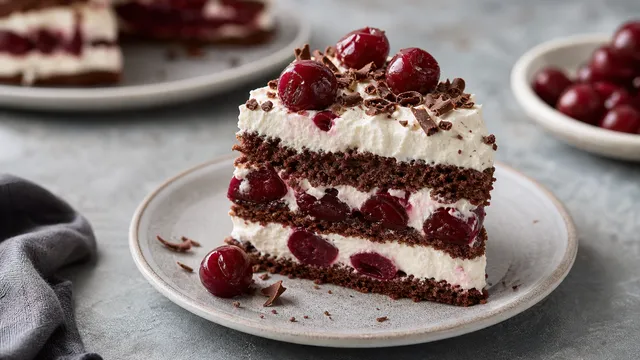
Keto Black Forest Cake
Keto Black Forest Cake with chocolate sponge, whipped cream and sour cherries: approx. 7 g protein, 6 g net carbs and 28 g fat per slice, classic without sugar.
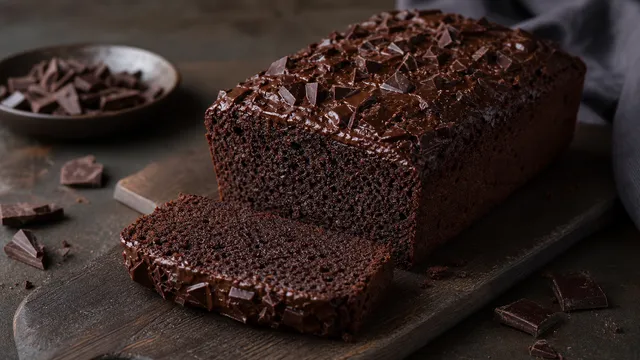
Moist Keto Chocolate Cake
Moist keto chocolate cake with cocoa and 85% dark chocolate: approx. 7 g protein, 3 g net carbs and 24 g fat per slice, intensely chocolatey, ready in 50 minutes.
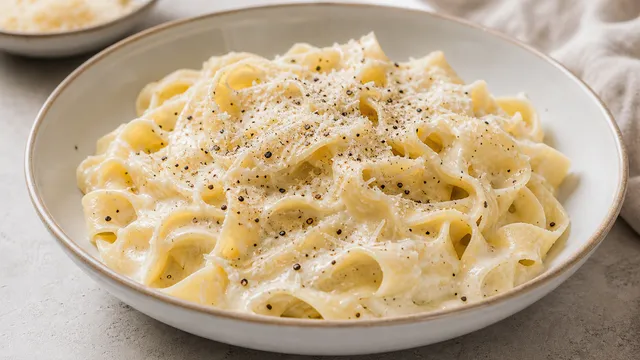
Keto Almond Flour Pasta Alfredo
Keto almond flour pasta Alfredo: homemade noodles from almond flour and egg with classic butter-Parmesan sauce - just 6 g net carbs and 48 g fat.
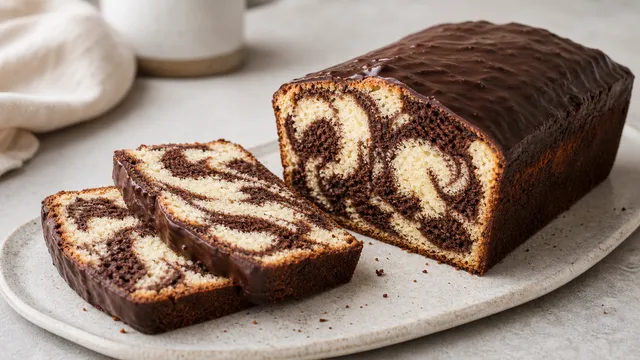
Keto Marble Cake with Almond Flour
Keto marble cake with almond flour and a chocolate-vanilla swirl: approx. 6 g protein, 3 g net carbs and 22 g fat per slice, a sugar-free classic ready in 1 hour.

Keto Lemon Poppy Seed Muffins with Almond Flour
Keto lemon poppy seed muffins made with almond flour: approx. 6 g protein, 3 g net carbs and 18 g fat per muffin. Fluffy, sugar-free muffins ready in 30 minutes.

Keto Parmesan Almond Crackers with Rosemary
Crisp keto crackers from almond flour and parmesan with rosemary: without flour, approx. 2.7 g net carbs and 22 g fat per serving, ideal for dipping.
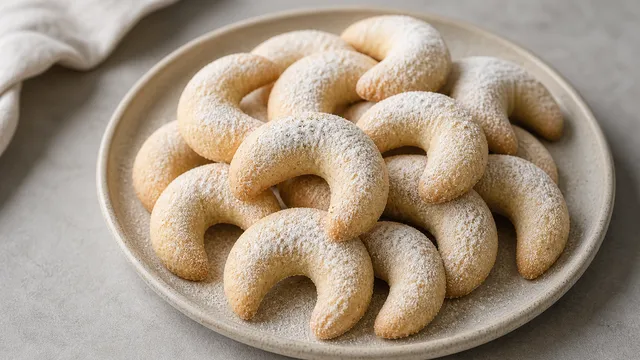
Keto Vanillekipferl with Almond Flour
Keto Vanillekipferl made with almond flour: approx. 2 g protein, 1.5 g net carbs and 7 g fat per cookie. Classic crescent cookies without sugar, ready in 35 minutes.
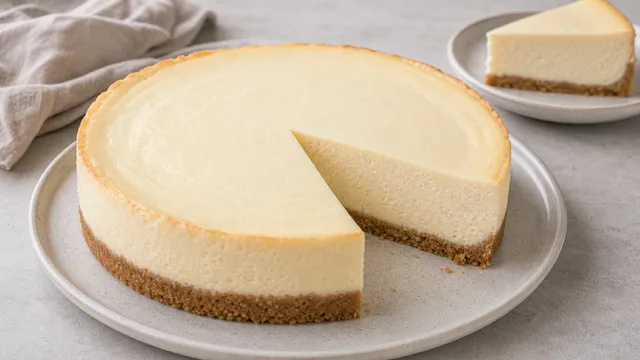
Keto New York Style Cheesecake
Creamy keto New York style cheesecake with an almond flour crust: approx. 8 g protein, 4 g net carbs and 28 g fat per slice, a classic sugar-free cheesecake.
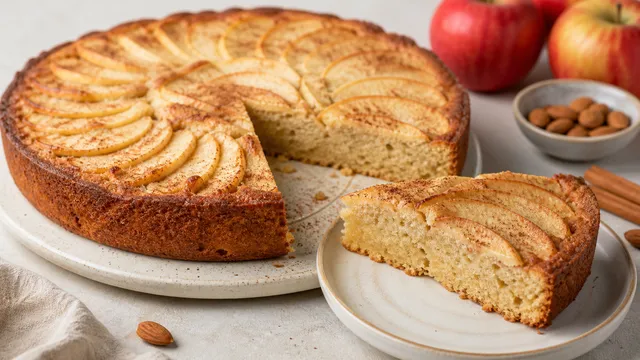
Keto Apple Cinnamon Cake
Moist keto apple cinnamon cake with almond flour and a reduced apple portion: approx. 6 g protein, 5 g net carbs and 22 g fat per slice, a sugar-free fall classic.

Keto Blueberry Streusel Bites
Keto blueberry streusel bites made with almond flour and a crumb topping: approx. 6 g protein, 4 g net carbs and 18 g fat per piece, sugar-free mini crumb cakes.
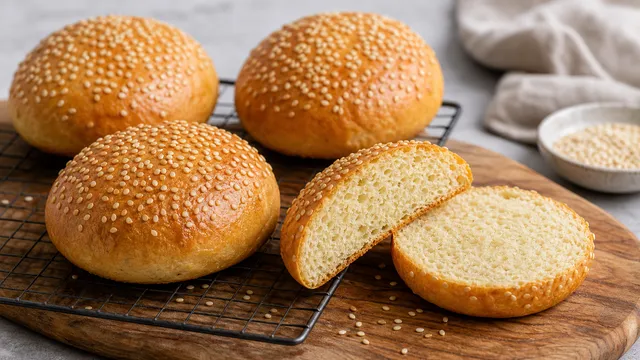
Keto Burger Buns
Keto burger buns with just 2.1 g net carbs and 14 g fat per bun. Fluffy, sturdy, and ready in 25 minutes, with no grain flour or sugar.