Hibiscus Tea: Keep an Eye on Anthocyanins and Carbs
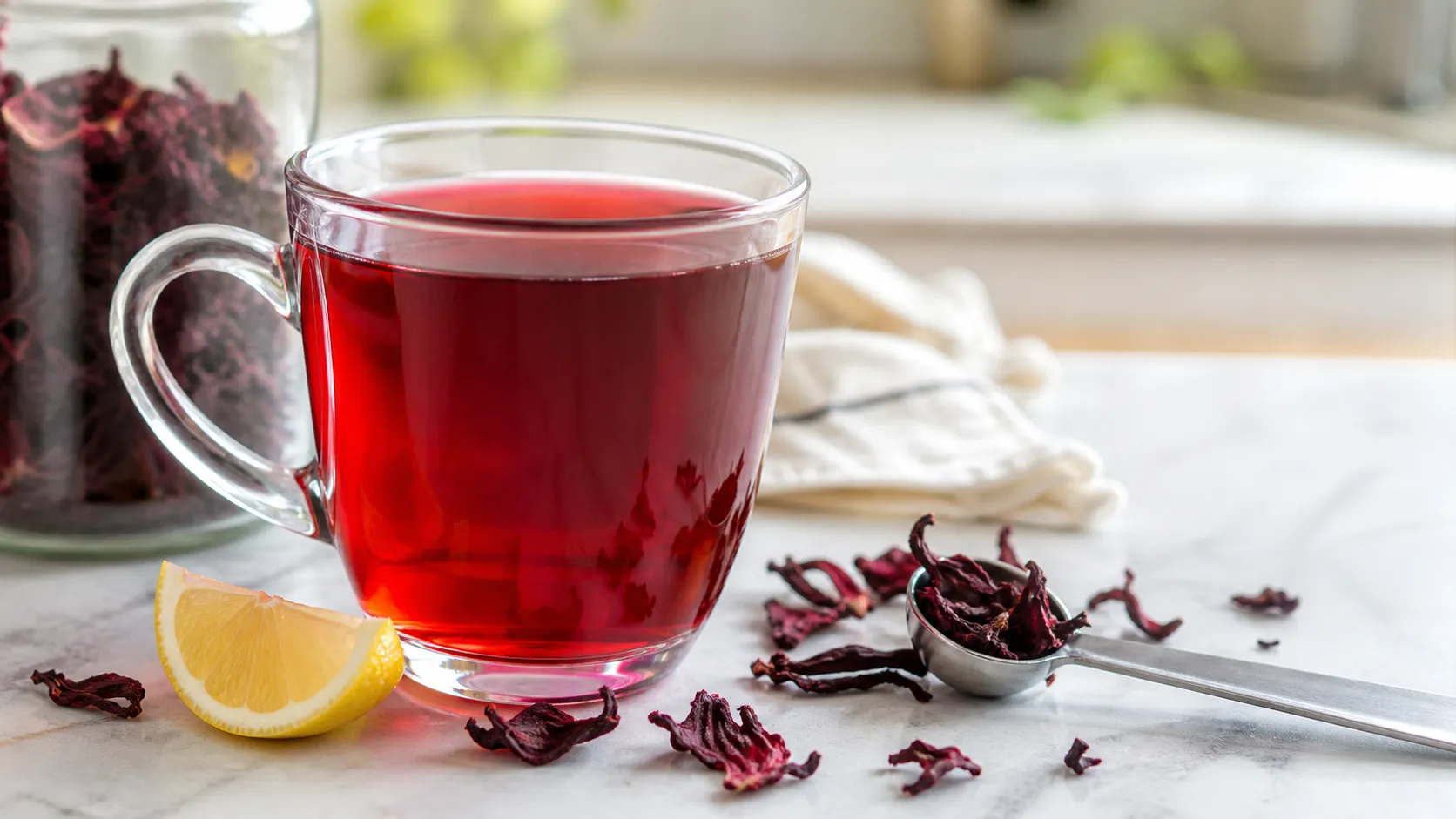
Hibiscus tea, also known as roselle or karkade, is a caffeine-free infusion made from the dried flowers of the hibiscus plant (Hibiscus sabdariffa) with a fruity-tart flavor and striking red color. Unlike almost all other herbal teas, hibiscus tea is not a no-brainer on keto. According to the USDA, it contains up to 7.6 g of carbs per 100 ml of brewed tea, which puts a 150 ml cup at around 11 g of carbs. That makes hibiscus the only pure herbal tea with a relevant carb content, and you need to actively count it toward your macros. The anthocyanins it contains, however, are potent antioxidants, and hibiscus has been shown to lower blood pressure (PubMed, PMC7146259).
Is it recommended for keto?
Hibiscus tea should be enjoyed with caution on keto. According to USDA FoodData Central (FDC ID 171946), brewed hibiscus tea contains up to 7.6 g of carbs per 100 ml and 37 kcal, making it the only herbal tea with a noteworthy carb content. A small cup (150 ml) already delivers around 11 g of carbs, while a regular cup (240 ml) delivers as much as 18 g. That means a single cup can use up a third to half of your daily keto carb budget. Three strategies to reduce carbs: 1) Use fewer flowers per cup (1 instead of 2 tablespoons per 240 ml of water). 2) Shorter steeping time (3 instead of 7 minutes) extracts less sugar and acid. 3) Dilute the finished infusion with water or a milder tea (1:2 or 1:3). The anthocyanins in hibiscus are among the most potent antioxidants, and several clinical studies have shown significant blood-pressure-lowering effects from hibiscus consumption (PMC7146259). The fruity-tart flavor makes it an excellent iced tea alternative. Brand recommendations: Loose organic Egyptian hibiscus flowers from Sonnentor, Lebensbaum or directly from a health food store. Tea bags: Yogi Tea Hibiscus, Pukka Hibiscus & Rose.
Source: USDA FoodData Central - Hibiscus Tea, brewed (FDC ID 171946)
What pairs well with it?
On keto, hibiscus works best strongly diluted as a keto-friendly iced tea with plenty of water, a splash of lemon and erythritol. Mix 1 part hibiscus concentrate with 3 to 4 parts water or an unsweetened iced tea base of green or black tea. As an aromatic component in small amounts, hibiscus works wonderfully in tea blends, for example combined with peppermint for a mojito-like aroma or with rosemary and lemon for a Mediterranean herbal iced tea. Simmered with berries and erythritol, it becomes a keto-friendly hibiscus syrup that goes well over yogurt or quark. Don't use it as your main beverage throughout the day, but use it deliberately as a treat. A clever approach: keep pure hibiscus as a concentrate (3 tbsp flowers per 250 ml) in the fridge, take it out by the tablespoon and dilute with mineral water for a keto-friendly refreshment. That way you stay under 2 g of carbs per glass.
Pros & cons of organic
Advantages of organic hibiscus: Organic hibiscus flowers are free of pesticide residues and heavy metal contamination, which can be a real concern with flowers from Egypt or Sudan. Organic cultivation in certified regions also guarantees socially responsible harvesting conditions. When using the flowers directly, pesticide concerns are greater than with processed teas. Disadvantages: The price difference between organic and conventional hibiscus is minimal, often only 1 euro per 100 g. A 100 g package of organic hibiscus flowers costs 4 to 8 euros and yields 40 to 50 cups, or about 10 to 20 cents per brew. Given the small premium, organic is almost always worthwhile. Look for the EU organic seal and ideally the Demeter label. Brands such as Sonnentor, Salus, Lebensbaum or Bio-Bohne offer reliable quality.
Intolerances & allergens
Hibiscus tea can lower blood pressure, which can be problematic with hypotension. If you have low blood pressure or are taking blood pressure medication (ACE inhibitors, AT1 antagonists, beta blockers), consult your doctor before regular consumption. During pregnancy, larger amounts are not recommended, as hibiscus can affect the uterus and influence estrogen levels. The acids in hibiscus can erode tooth enamel, so ideally drink it through a straw. Allergies to the mallow family are extremely rare.
Where to buy online or locally
You can find hibiscus flowers at health food stores, larger supermarkets, Turkish grocery stores (often very cheap there) or online. Whole dried hibiscus flowers deliver a much more intense flavor than pre-packaged bags, which often contain fannings or blends. When buying, look for pure hibiscus flowers with no added sugar, flavorings or sweeteners. Some blended teas (e.g., wild cherry or red berry) feature hibiscus as the main component but combine it with dried fruit content, which can push the carb count even higher. Store hibiscus flowers in a dark, airtight container, and they will retain their intense color and tartness for over 12 months. For organic hibiscus, you'll only pay about 1 euro more per 100 g, which makes the pesticide protection worthwhile.
Nutrition values
| Nutrient | Per 100 ml (brewed) |
|---|---|
| Net carbs | 7.6 g |
| Fat | 0 g |
| Protein | 0 g |
| Calories | 37 kcal |
FAQ
Why does hibiscus tea contain so many carbs?
Hibiscus contains natural fruit and plant acids (hibiscus acid, citric acid, malic acid) as well as small amounts of natural sugar that transfer into the water during brewing. According to USDA FoodData Central (FDC ID 171946), this results in 7.6 g of carbs per 100 ml. Other pure herbal teas, by contrast, typically contain 0 g of carbs because they have no extractable sugars.
How can I drink hibiscus tea on keto without leaving ketosis?
Dilute the finished brew heavily with water (ratio 1:3 or 1:4) or mix it with other herbal teas. Use only 1 tablespoon of flowers instead of 2 per 240 ml of water and shorten the steeping time to 3 to 4 minutes. That keeps you under 2 g of carbs per glass. Drink a maximum of 1 to 2 diluted cups per day and count them toward your macros.
Does hibiscus tea really lower blood pressure?
Yes, a systematic review (PubMed, PMC7146259) showed that hibiscus tea can lower systolic blood pressure by an average of 7 to 10 mmHg and diastolic blood pressure by 3 to 6 mmHg. The anthocyanins and organic acids have ACE-inhibiting effects. This can be helpful with existing hypertension; if you have low blood pressure or take medication, consult your doctor first.