Ginger Tea: A Natural Digestive Aid on Keto
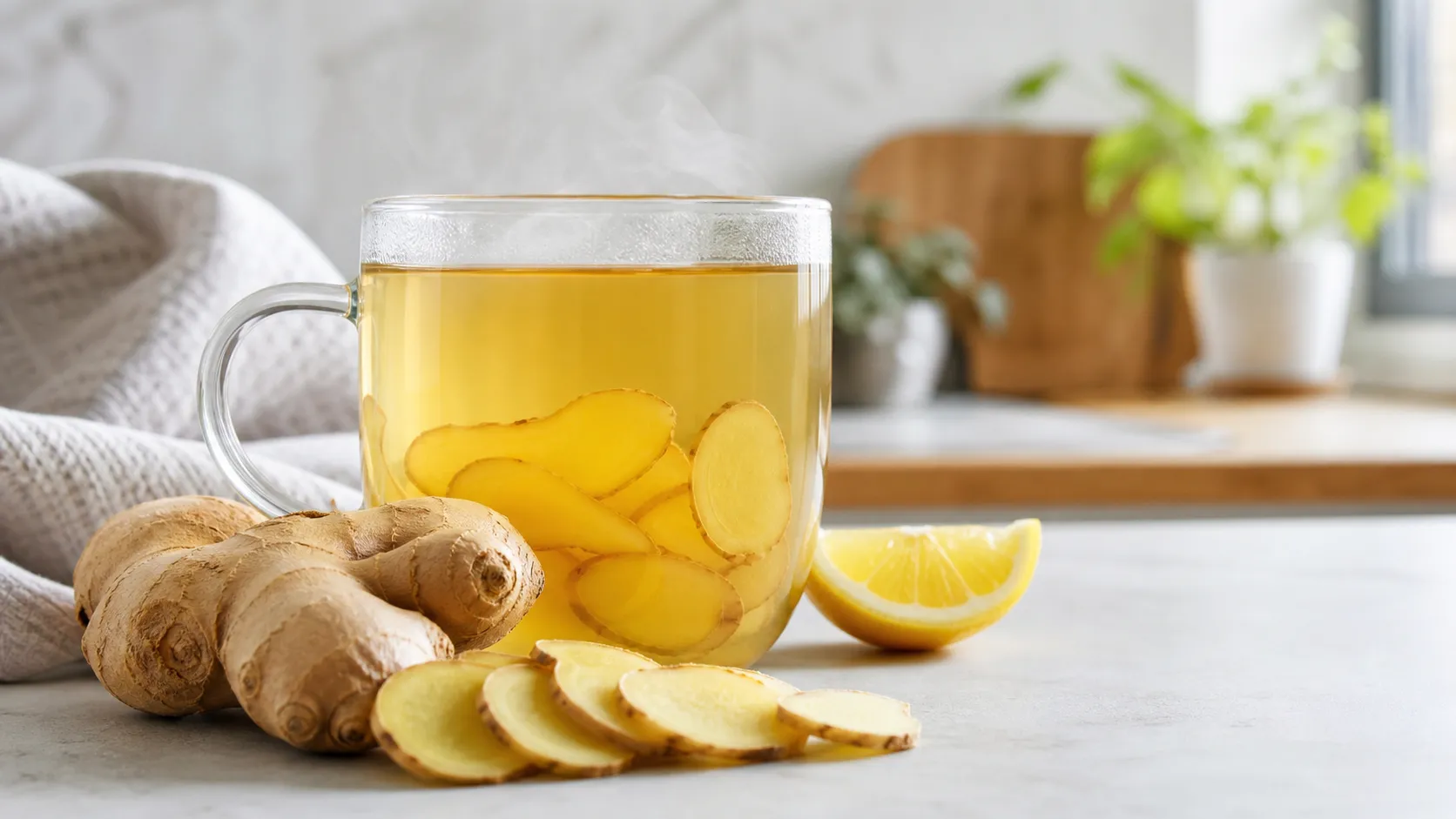
Ginger tea (Zingiber officinale) brewed from the fresh root is highly recommended on keto and contains, according to the USDA, less than 0.5 g of net carbs per cup. It is fully caffeine-free and supplies the bioactive gingerols and shogaols, which act as anti-inflammatories, stimulate digestion and can ease nausea. Especially during the keto adaptation phase, when many beginners struggle with nausea, digestive issues or the keto flu, ginger tea is an effective natural remedy. Studies confirm the effectiveness of ginger against pregnancy-related nausea, post-operative nausea and motion sickness (PubMed, PMC4818021). Its sharp, spicy flavour also makes it an invigorating alternative to coffee.
Is this recommended for keto?
Ginger tea is highly recommended on keto, particularly during the transition phase. Per 100 ml it contains, according to the USDA, under 0.5 g of net carbs and only 2 kcal. The pungent gingerols and shogaols are anti-inflammatory, antioxidant and soothing to the stomach. A meta-analysis of 12 studies showed that ginger significantly reduced nausea from various causes (PubMed, PMC4818021). For the keto flu, which during the first days can come with nausea, headaches and dizziness, a cup of fresh ginger tea often eases the unpleasant symptoms. The pungent compounds also stimulate gastric juice production and support fat digestion, which is helpful given the unusually high fat intake during keto. Brand recommendation: Use fresh organic ginger root from the supermarket, 2 to 3 cm per cup, cut into thin slices and steep for 10 minutes. For tea bags: Yogi Tea Ginger, Pukka Three Ginger, Sonnentor Organic Ginger or Lebensbaum Ginger-Lemon. Note: Instant ginger tea powders almost always contain sugar and are not keto-friendly.
What pairs well with it?
Ginger tea is the ideal companion for Asian keto dishes such as stir-fries with chicken and bok choy, Thai curry with coconut milk or miso salmon. The pungent flavours complement each other perfectly. Combined with fresh lemon or lime juice and a pinch of erythritol, it makes a refreshing detox drink that kick-starts your metabolism in the morning. A particularly effective variation for the cold season: a ginger-turmeric tonic with 2 cm of fresh ginger, 1 cm of turmeric root, a pinch of black pepper (for the bioavailability of curcumin) and a splash of coconut cream. The black pepper extract piperine increases curcumin absorption by up to 2000 percent. For a warming evening tea, combine ginger with cinnamon and star anise, sweetened with erythritol, or alternatively with a splash of cream for extra richness.
Pros & cons of organic
Benefits of organic ginger: Organic ginger is especially recommended because the skin of the root is often used along with the rest when brewing (you don't necessarily need to peel organic ginger). Conventional ginger can carry pesticide residues on the skin, since ginger from China, Peru or Brazil is often treated with higher doses of pesticides. Organic farming guarantees pesticide-free use and often comes from fairer growing conditions. Drawbacks: Organic ginger is slightly more expensive, but the difference is usually only 1 to 2 euros per kilo. Since only 2 to 3 cm of root is needed per cup, the extra cost per brew is minimal. Look for the EU organic seal. Organic ginger is now available in every larger supermarket.
Intolerances & allergens
Ginger can have a blood-thinning effect, as gingerols inhibit platelet aggregation. If you are taking blood thinners such as warfarin, phenprocoumon or aspirin, you should speak with your doctor before regularly consuming larger amounts. In high doses (more than 4 g per day), ginger can cause heartburn, stomach pain or diarrhoea. During pregnancy, a maximum of 1 g per day is recommended. Allergies to ginger are rare but possible.
Where to buy online or locally
You can find fresh ginger in every supermarket, health food store or Asian grocery. Choose firm, smooth roots with taut skin and no mould or shrivelled spots. Ginger keeps for several weeks in the fridge and even months in the freezer (it grates well while frozen). For tea, simply cut 2 to 3 cm of ginger into thin slices, pour over boiling water and steep for 10 minutes. Pure ginger tea bags without added sugar from brands like Pukka, Yogi Tea, Sonnentor or Lebensbaum are a convenient alternative when you are out and about. Important: Instant ginger tea powders or ginger tea sticks almost always contain sugar, dextrose or maltodextrin and are not keto-friendly. Check the ingredient list before buying.
Nutrition values
| Nutrient | Per 100 ml (brewed) |
|---|---|
| Net carbs | < 0.5 g |
| Fat | 0 g |
| Protein | 0 g |
| Calories | 2 kcal |
FAQ
Can I drink unlimited ginger tea on keto?
Practically yes. With under 0.5 g of carbs per cup, ginger tea won't noticeably affect your macros. However, at very high amounts (more than 4 g of dried ginger or roughly 10 cm of fresh root per day) watch for possible stomach irritation. For most keto users, 2 to 4 cups per day is ideal and easily tolerated.
Does ginger tea help with the keto flu?
Yes, ginger tea can ease several symptoms of the keto flu. The gingerols work against nausea, stimulate circulation and support digestion of the unusually high fat intake. One study showed significant effects on nausea from various causes (PubMed). Combine ginger tea with sufficient electrolytes for maximum impact against adaptation symptoms.
Are ginger tea bags just as good as the fresh root?
Fresh ginger root contains considerably more gingerols and essential oils than the dried ginger in tea bags. For maximum effect, the fresh root is the best choice. High-quality organic tea bags from Pukka, Yogi Tea or Sonnentor are an acceptable alternative. Be sure to avoid instant powders, which almost always contain sugar or dextrose and are not keto-friendly.