Garlic: Maximum Aroma, Minimal Carbs
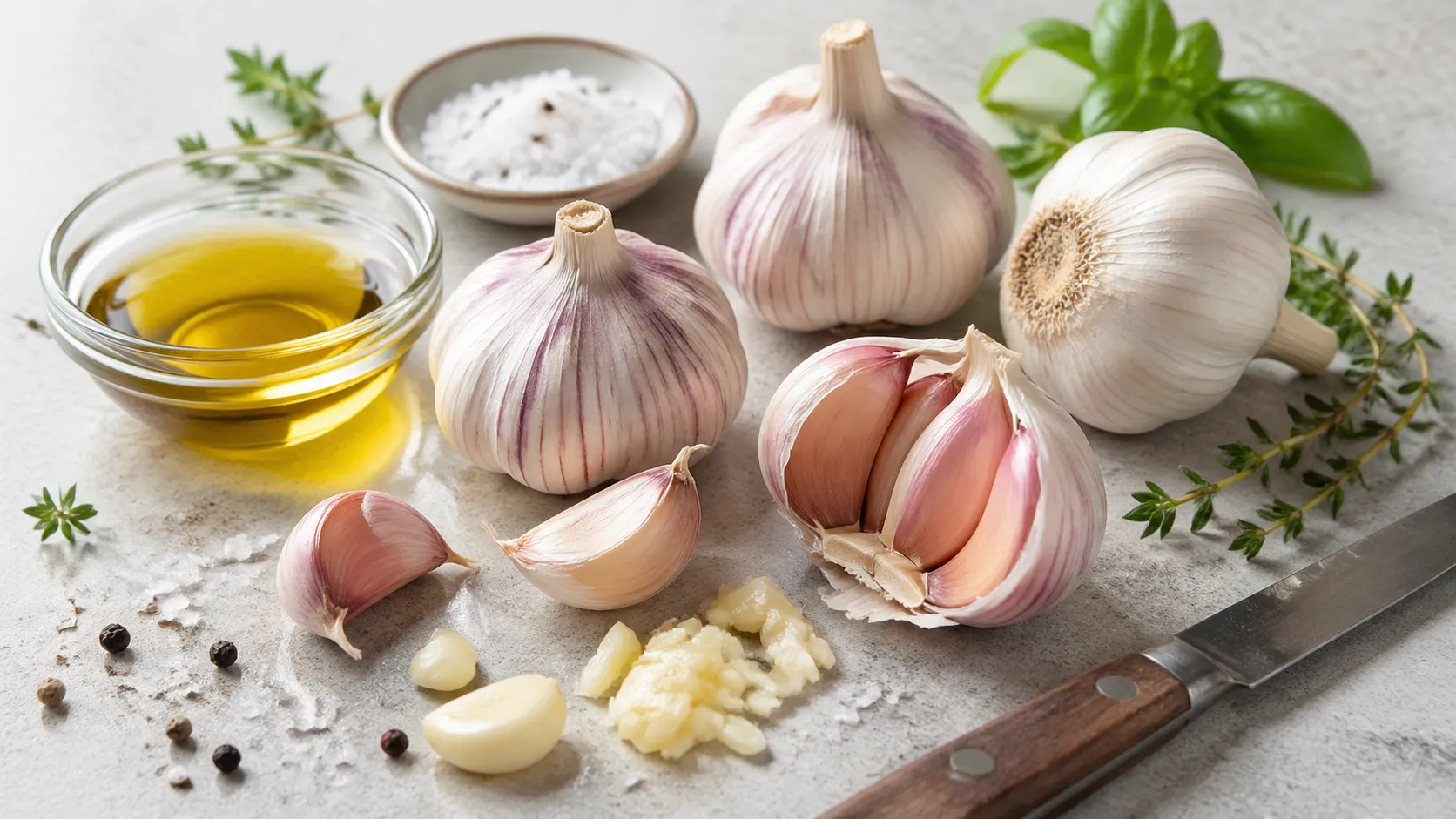
At first glance, garlic looks fairly carb-heavy (around 33 grams per 100 grams). But since you typically only use 1 to 2 cloves per dish (about 3 to 6 grams), the carbs barely register. A single garlic clove delivers only around 1 gram of net carbs, which is irrelevant from a ketosis standpoint. In return, garlic is extremely healthy and a real flavor booster. A PubMed review (PMC4366009) shows positive effects on blood pressure, cholesterol, and cardiovascular risk thanks to its sulfur compounds (above all allicin). Antibacterial, antiviral, and anti-inflammatory effects are also well documented. Garlic pairs with almost anything savory and is indispensable in keto cooking.
Is it recommended for keto?
Garlic is a great seasoning for keto, as long as you don't overdo it (no eating whole bulbs a day). Per clove (3 to 5 grams) it only delivers around 1 gram of net carbs. In the usual amounts of 1 to 3 cloves per dish, the contribution to your daily total stays very manageable at 1 to 3 grams of carbs. In exchange, you benefit from numerous health perks: a PubMed review (PMC4366009) shows blood-pressure-lowering, cholesterol-regulating, and anti-inflammatory effects thanks to the sulfur molecule allicin. 🧄 Hack: Make your own keto garlic oil! Crush 4 to 6 cloves and steep them in 500 milliliters of good olive oil for 2 weeks. The oil carries the aroma, you don't eat the solid cloves directly, and you cut down on carb intake. Important: always store garlic oil in the fridge, because warm, low-oxygen oil can otherwise develop botulinum toxins.
What goes well with it?
Garlic pairs with almost anything savory: ground beef (in classic Bolognese sauce, in meatballs, in meatloaf), shrimp (garlic shrimp in olive oil with chili is a keto classic), spinach (creamed spinach with garlic, cream, and Parmesan), and combined with olive oil or butter as the base for any pan dish. It's also essential with lamb, steak, chicken thighs, salmon, and all mushroom dishes. Classic garlic butter made from soft butter, pressed garlic cloves, chopped parsley, and salt pairs with steaks, grilled vegetables, or as a spread on almond-flour bread. Aioli (a garlic mayonnaise) is the perfect sauce for grilled meat and vegetables. For salad dressings, it's worth using finely chopped garlic steeped in olive oil with mustard, salt, and a little lemon juice. Whole oven-roasted garlic bulbs are mild and sweet and pair beautifully with lamb or cheese boards.
Pros & cons of organic
Organic garlic from regional growers is preferable. Pros: Fewer contaminants and pesticides, often more intense flavor than long-traveled imported garlic from China (the source of around 80 percent of globally traded garlic). Local garlic from southern Germany, France (especially Drome or Provence), or Spain also has a better carbon footprint. Fresh spring garlic (so-called green garlic or garlic sprouts) is a rare delicacy. Cons: Organic garlic is often visually a bit smaller and pricier (about 1 euro per bulb at the organic store versus 0.30 euros at a discounter). If you grow your own garlic: push cloves into the soil in October and harvest in summer (July/August). One bulb yields 8 to 12 cloves, roughly ten times the starting amount. Black fermented garlic is mild and sweet, but the fermentation gives it slightly more usable carbs.
Intolerances & allergens
Occasional gastrointestinal intolerances are possible, especially with FODMAP intolerance or irritable bowel syndrome. Garlic contains fructans, which are poorly digested in the small intestine and can cause gas and discomfort in the large intestine. For sensitive stomachs, garlic-infused oil is a worthwhile alternative because fructans are water-soluble and don't transfer into the oil. That way you get the aroma without the symptoms. Histamine intolerance can also be aggravated by garlic, especially by fermented black garlic. True garlic allergies are very rare but possible. When handling it, garlic can cause skin irritation. Garlic breath is caused by the sulfur-containing compounds and is normal. Parsley or apple after the meal can soften the smell somewhat. Anyone taking blood thinners (e.g. warfarin, aspirin) should be cautious with large amounts of garlic, because garlic also has a mild blood-thinning effect.
Where to buy online or locally
At the farmers' market or supermarket. Tip: look for firm, plump garlic without green shoots (sprouts), without soft spots, and without dark patches. Fresh garlic should feel heavy in your hand relative to its size. Organic garlic from the organic store or directly from the farm (spring and autumn) is the best choice. Store garlic dry, cool, and airy (not in the fridge, where it turns soft and sprouts faster). A garlic bulb in a clay pot or an airy basket keeps for 2 to 3 months. Peeled cloves keep in a jar in the fridge for about a week, or 3 to 4 weeks steeped in olive oil. Frozen chopped garlic cubes are a handy backup, but not quite a match for fresh in terms of flavor. Garlic powder has a more intense, different aroma and is a useful addition to the spice drawer.
Best keto recipes with it
- Ground beef & bell pepper skillet (lunch / dinner)
- Shrimp scrambled eggs (lunch / dinner)
Nutrition values
| Nutrient | Per 100 g |
|---|---|
| Net carbs | 33 g |
| Fat | 0.5 g |
| Protein | 6.4 g |
| Calories | 149 kcal |
FAQ
How many garlic cloves are allowed on keto?
1 to 3 cloves per dish are no problem at all. An average clove weighs 3 to 5 grams and delivers only about 1 gram of net carbs. Even 5 cloves per day (around 20 grams of garlic) come to roughly 5 grams of carbs, which fits comfortably within a keto limit of 20 to 30 grams of carbs. Per serving, garlic is essentially carb-neutral and is one of the most important flavor givers in keto cooking.
Is garlic really healthy?
Yes, very. A PubMed review (PMC4366009) shows blood-pressure-lowering effects (an average of 5 to 10 mmHg systolic with regular consumption), cholesterol reduction (LDL down by about 10 percent), and anti-inflammatory effects. The main active compound, allicin, forms when a raw clove is crushed or chopped. For maximum effect, garlic should be freshly crushed and allowed to rest for 10 minutes before being heated. Antimicrobial and antiviral effects are also documented.
What helps against garlic breath?
Raw garlic leaves behind sulfur-containing compounds that are excreted through breath and skin. Parsley, apple, yogurt, or green tea after the meal will tone down the smell a bit. Brushing your teeth helps in the short term, but the odor comes from the lungs. If you've worked with raw garlic particularly intensely, expect a noticeable breath effect the next morning. Cooked or roasted garlic smells much milder than raw, but is also less intense in flavor.
Keto recipes with Garlic
121 recipes on KetoWizard use Garlic. These put the ingredient front and centre.
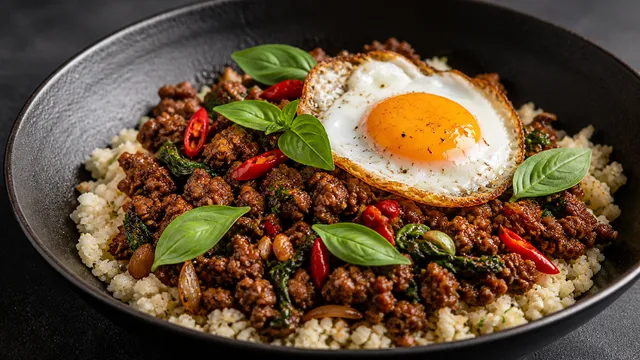
Keto Thai Basil Beef (Pad Krapao)
Keto Thai basil beef in the style of Pad Krapao: 4 g net carbs, 26 g fat, 30 g protein per serving. Spicy, aromatic, and ready in 15 minutes.
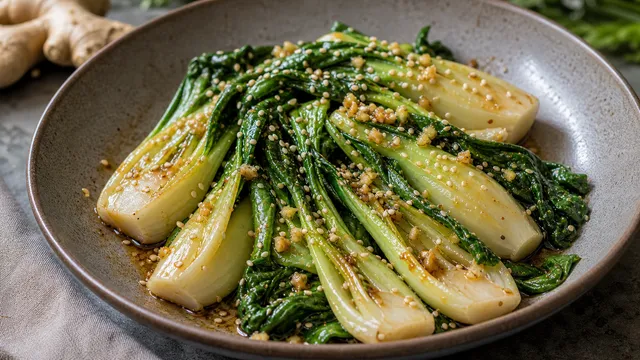
Keto Bok Choy with Sesame and Ginger
Wok-seared bok choy with garlic, ginger, sesame oil and soy sauce. 3 g net carbs, 12 g fat per serving. Asian keto side dish in 15 minutes.
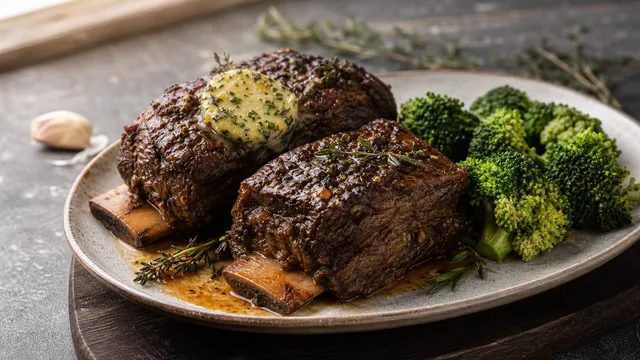
Keto Beef Short Ribs with Garlic Herb Butter
Keto beef short ribs braised with garlic herb butter: approx. 57 g protein, 3 g net carbs and 57 g fat, a tender keto Sunday dinner from the oven.
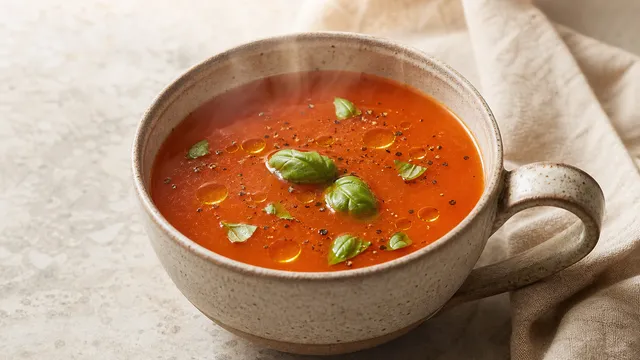
Keto Tomato Miso Broth
Keto tomato miso broth: a vegan sippable broth with olive oil, basil and 3 g net carbs per cup, slow-roasted, intense and satisfying.
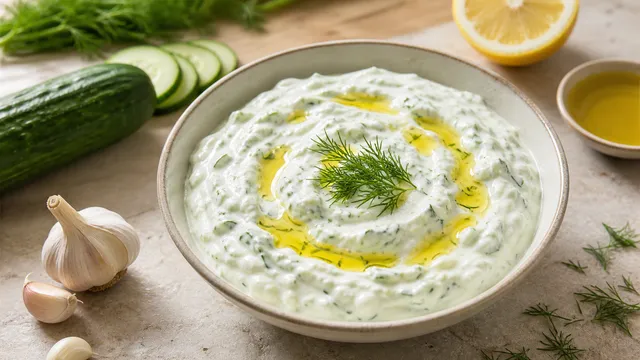
Keto Tzatziki with Cucumber and Greek Yogurt
Keto tzatziki with cucumber and Greek yogurt: stirred together in approx. 15 minutes, only approx. 4.3 g net carbs and 15 g fat per serving, no cooking.
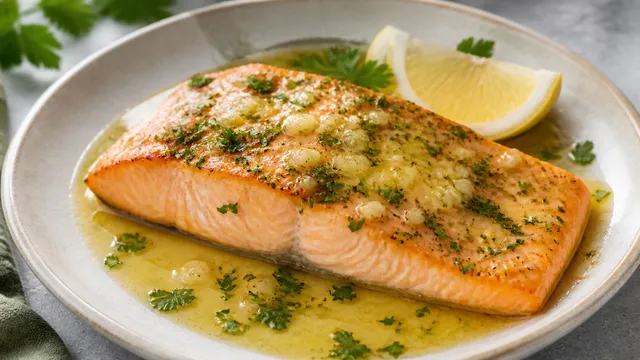
Keto Frozen Salmon in the Oven with Garlic Butter
Frozen salmon straight from the freezer into the oven, topped with garlic herb butter. Approx. 2 g net carbs, 42 g fat and 40 g protein. Fresh salmon works just as well.
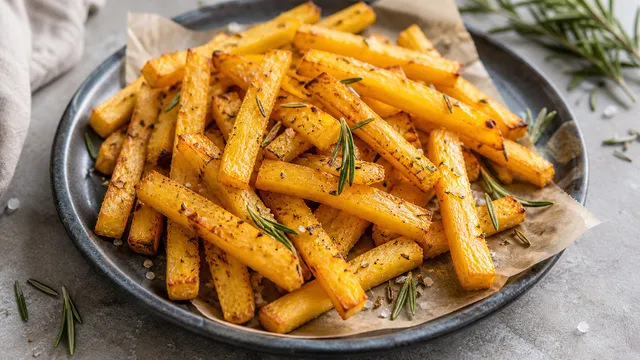
Keto Rutabaga Fries
Rutabaga (swede) fries with rosemary and garlic. 6 g net carbs and 18 g fat per serving. Sweet-earthy and the perfect keto fries alternative.
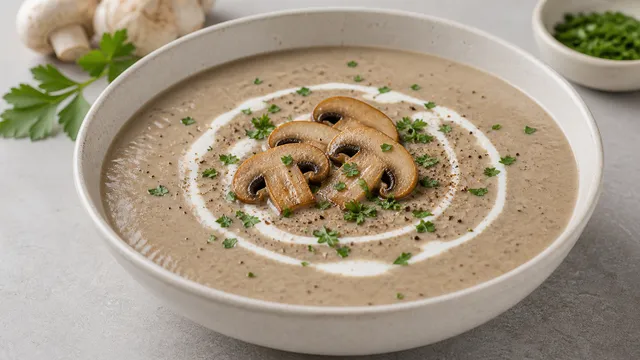
Keto Cream of Mushroom Soup Without Flour
Creamy keto cream of mushroom soup without flour, thickened with cream and mushrooms: vegetarian, approx. 6 g net carbs and 35 g fat per serving in 30 minutes.
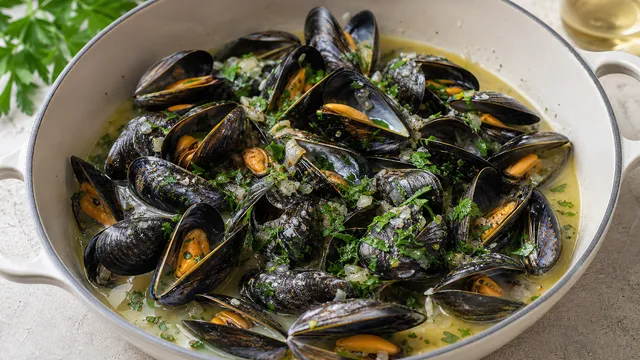
Keto Mussels in White Wine Broth
Keto mussels in white wine broth with garlic and parsley: 6 g net carbs, 22 g fat, 28 g protein per serving. Classic Belgian style in 20 minutes.
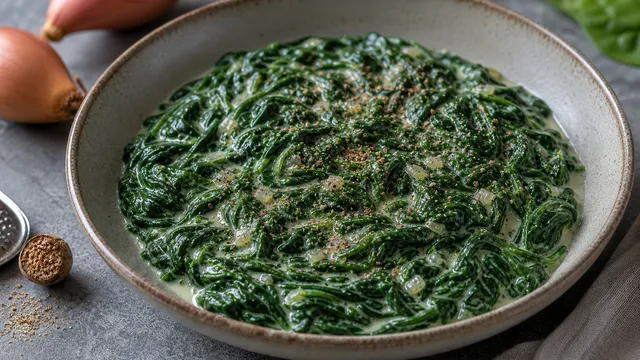
Keto Creamed Spinach with Nutmeg
Creamy spinach with heavy cream, butter, and nutmeg, no flour. 3 g net carbs, 22 g fat per serving. A classic keto side in 20 minutes.
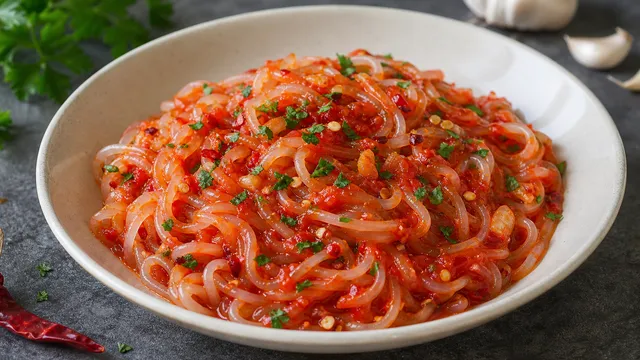
Keto Shirataki Arrabiata
Keto Shirataki Arrabiata: konjac noodles in a spicy tomato-chili sauce with just 5 g net carbs and 30 g fat per serving, ready in 20 minutes.
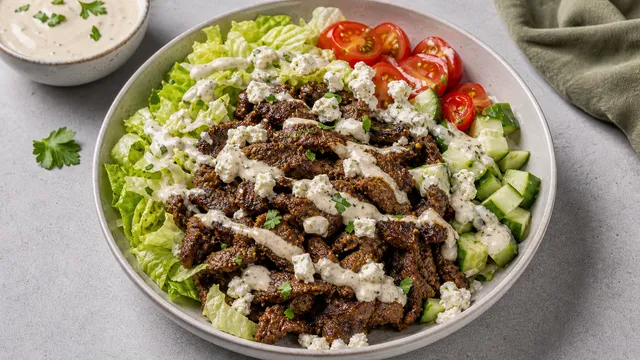
Keto Lamb Shawarma Bowl with Garlic Sauce
Keto lamb shawarma bowl: marinated pan-seared lamb with salad, tahini garlic sauce and feta cheese – 5 g net carbs, 50 g fat, 46 g protein in 30 min.