Cream Cheese: Creamy, Fatty, Keto-tastic
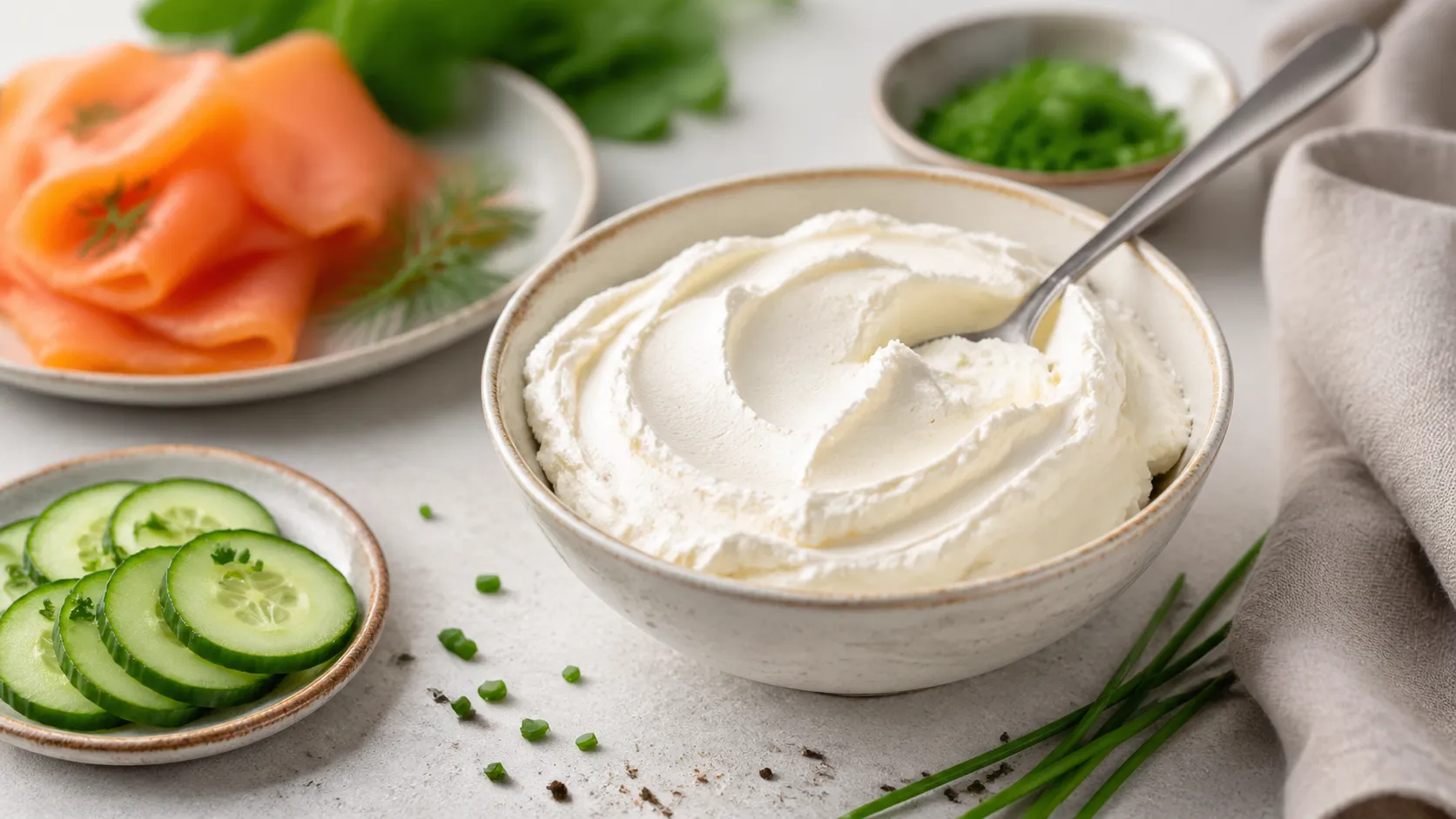
Full-fat cream cheese, with roughly 24 to 30 g of fat, 3 to 4 g of net carbs, and 6 to 8 g of protein per 100 g, is an ideal keto ingredient (USDA FoodData Central). At 250 to 300 kcal per 100 g, it delivers the typical keto macros of about 75 percent fat and under 5 percent carbs. The umbrella review on full-fat dairy products also shows that this consumption is not linked to an increased risk of cardiovascular disease (PMC7464108). It is important to avoid light varieties, since fat reduction often means more thickeners and hidden carbs.
Is it recommended for keto?
Full-fat cream cheese is an absolutely recommended keto food thanks to its macro distribution. 100 g delivers up to 30 g of fat with only 3 to 4 g of net carbs, which corresponds to a fat share of about 85 percent of calories (USDA FoodData Central). Watch out for the sugar trap: flavored varieties such as 'cream cheese with herbs', 'with salmon', or 'with horseradish' often contain 1 to 3 g of added sugar per 100 g, some even 5 g or more. Always reach for plain cream cheese and season it yourself with salt, pepper, fresh herbs, or garlic. A practical benefit for the ketogenic diet is its high satiety: a 50 g serving of cream cheese delivers around 125 kcal and can replace a larger meal when used in sauces or dips. Brands like Philadelphia, Almette, or supermarket private labels are available as full-fat versions at every discounter.
What pairs well with it?
Cream cheese is one of the most versatile keto ingredients. A classic pairing is with smoked salmon, which delivers around 25 g of fat, 18 g of protein, and under 2 g of carbs per 100 g serving. As a dip base with a bit of lemon juice, fresh herbs, and a splash of olive oil, it goes well with cucumber, celery, or bell pepper strips and makes a great low-carb snack platter. Stirred into eggs, cream cheese transforms scrambled eggs into something creamy and fluffy: one tablespoon per two eggs is enough for restaurant quality at home. With erythritol and vanilla, it sweetens up into the base for keto cheesecake, fat bombs, or no-bake creams. In savory sauces, cream cheese also replaces the cream sauce base, binds faster, and adds extra protein. If you miss pizza, mix cream cheese with mozzarella and almond flour into fathead dough, which typically has under 3 g of net carbs per serving.
Pros & cons of organic
Organic cream cheese is typically made from milk of cows that, under the EU organic regulation, receive at least 60 percent roughage (grass, hay, silage). Pros: No artificial thickeners or questionable stabilizers like carrageenan (E 407), often a higher omega-3 share and a better fatty acid profile. Brands like Andechser Bio Frischkäse or Schwarzwaldmilch Bio rely solely on milk, salt, and starter cultures, without further additives. Cons: Organic cream cheese is rarely available at discounters and costs about 1.80 to 2.50 euros per 200 g pack versus 1 to 1.50 euros for conventional products. Anyone torn between organic and conventional should at least make sure the ingredient list stays short: pasteurized milk, cream, starter cultures, and salt are enough. Anything beyond that is usually industrial stabilization.
Intolerances & allergens
Cream cheese is based on cow's milk and contains both lactose (about 2 to 3 g per 100 g) and milk protein (casein and whey proteins). For lactose intolerance, lactose-free cream cheese, which contains over 80 percent less lactose (under 0.1 g per 100 g), is often enough. Brands like MinusL or drugstore private labels offer lactose-free versions without sacrificing flavor. With a cow's milk protein allergy, cream cheese must be avoided completely, since lactose-free varieties still contain milk protein. Alternatives are vegan cream cheese made from almonds or cashews, although these often have 5 to 8 g of carbs per 100 g and are not always keto-friendly. Anyone sensitive to histamine should note that longer-aged cream cheeses contain more histamine than fresh, young varieties. When in doubt: read the ingredient list and watch for artificial preservatives or stabilizers.
Where to buy online or locally
Full-fat cream cheese is available in every supermarket, discounter, and organic store. In the conventional segment, Philadelphia (Original Full-Fat, about 24 g of fat per 100 g) and Almette are the best-known brands, both costing between 1.20 and 1.80 euros per 200 g pack. Private labels like 'Ja!' (Rewe), 'Gut & Günstig' (Edeka), or discounter counterparts deliver comparable macros at lower prices. Organic quality is available from Andechser Natur, Söbbeke, or in the organic market (Alnatura, Denn's, Basic). When buying, look for the designation 'double-cream' (at least 60 percent fat in dry matter, which corresponds to about 24 to 30 g of fat per 100 g) to get the maximum keto effect. Store unopened packs at 4 to 7 degrees until the best-before date; use opened packs within 5 to 7 days.
Best keto recipes with it
- Keto No-Bake Cheesecake Bites (Sweet / Dessert) - View recipe
- Smoked Salmon & Cream Cheese Plate (Breakfast / Snack) - View recipe
Nutrition values
| Nutrient | Per 100 g |
|---|---|
| Net carbs | 3-4 g |
| Fat | 24-30 g |
| Protein | 6-8 g |
| Calories | 250-300 kcal |
FAQ
Which cream cheese varieties are not keto-friendly?
Light or reduced-fat varieties typically have less than 12 g of fat per 100 g and contain more thickeners as well as 5 to 7 g of carbs. Sweet flavored varieties (honey mustard, fruit) also contain 5 to 15 g of sugar per 100 g. Truly problematic are 'cream cheese preparations' with caramel or honey flavors, which can quickly push you over your daily carb budget.
Can I use cream cheese for baking on keto?
Yes, very well in fact. Cream cheese is the foundation for keto cheesecake, fathead pizza dough, and cloud bread (oopsies). At just 3 to 4 g of carbs per 100 g, it provides plenty of binding and creaminess. Important: use the full-fat version, otherwise the texture suffers and the fat content of the finished recipe drops too low for a ketogenic meal.
How long does cream cheese keep in the fridge?
Unopened, until the best-before date, which is often 4 to 6 weeks after purchase. Once opened, cream cheese should be used within 5 to 7 days, always scooped out with a clean spoon to avoid mold growth. Discard it if you notice discoloration, a yellowish-brown rim, or a sour smell, even if the best-before date has not yet been reached.
Keto recipes with Cream Cheese
27 recipes on KetoWizard use Cream Cheese. These put the ingredient front and centre.

Keto No-Bake Cheesecake Bites
Keto no-bake cheesecake bites: approx. 7 g protein, 2 g net carbs and 30 g fat per 2 pieces - no baking needed, ready in 15 minutes plus 1 hour chilling.
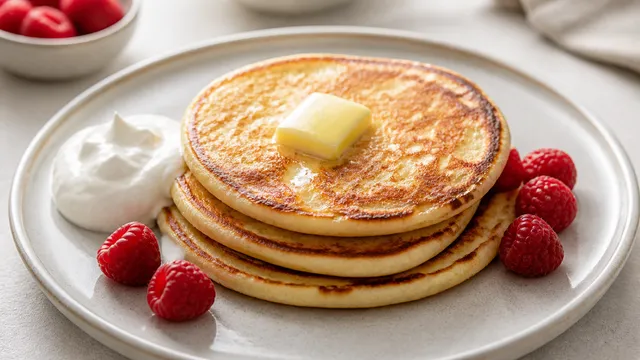
Keto Cream Cheese Pancakes Without Flour
Light keto pancakes made from cream cheese and eggs, just 2 g net carbs and 28 g fat per serving. Flourless and ready in 10 minutes.

Keto Bacon Cheese Balls – Savory Low-Carb Snack to Take Along
Keto bacon cheese balls with cream cheese, cheddar and bacon: only 1 g net carbs, 12 g protein and 22 g fat per serving (3 balls). Ready in 10 minutes.

Keto Stuffed Mushrooms from the Air Fryer
Keto stuffed mushrooms from the air fryer: ready in approx. 25 minutes, only approx. 1.8 g net carbs and 22 g fat per serving - finger food without breadcrumbs.

Keto Dumplings with Mozzarella and Almond Flour
Sunday dumplings, keto style: mozzarella and almond flour dumplings, soft and firm. 4 g net carbs, 20 g fat per dumpling. Great with pot roast and mushroom ragout.

Keto Jalapeno Cheese Soup with Bacon
Keto jalapeno cheese soup with bacon and cheddar: creamy, spicy, and filling - 5g net carbs, 38g fat, 20g protein, ready in 25 minutes.

Keto Cloud Bread with Smoked Salmon and Cream Cheese
Light keto cloud bread, no flour, topped with cream cheese, smoked salmon and dill: 2 g net carbs, 22 g fat, 26 g protein. Ready in 30 minutes.
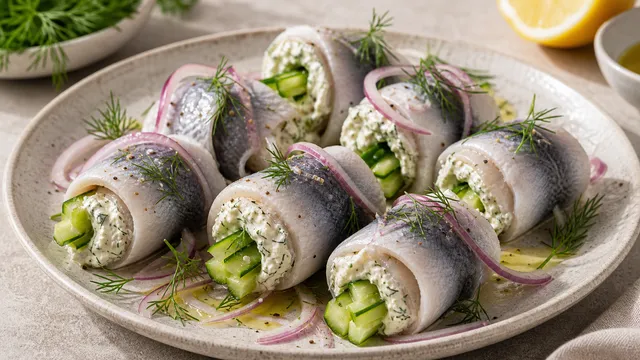
Keto Herring Dill Cream Cheese Rolls
Keto herring with dill cream cheese filling – approx. 3 g net carbs, 17 g fat per serving. Sodium from herring, omega-3, potassium from cucumber – ready in 12 min.
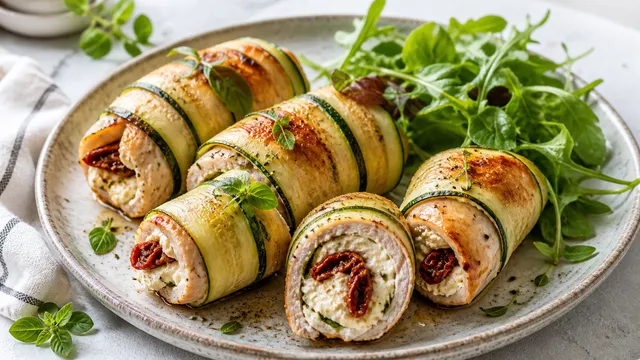
Keto Turkey Zucchini Rolls with Cream Cheese
Keto turkey zucchini rolls with cream cheese: turkey cutlets stuffed with sun-dried tomatoes, wrapped in zucchini. Just 4 g net carbs and 30 g fat in 20 min.
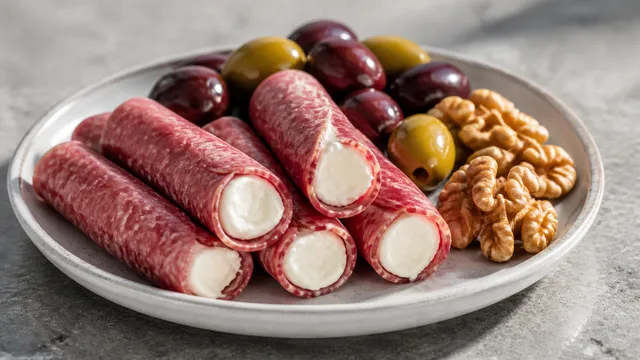
Keto Salami, Cream Cheese and Olive Plate - Mediterranean Breakfast in 2 Minutes
Keto plate with salami, cream cheese and olives: 34 g fat, only 2 g net carbs, ready in 2 minutes. Mediterranean, savory, satisfying.
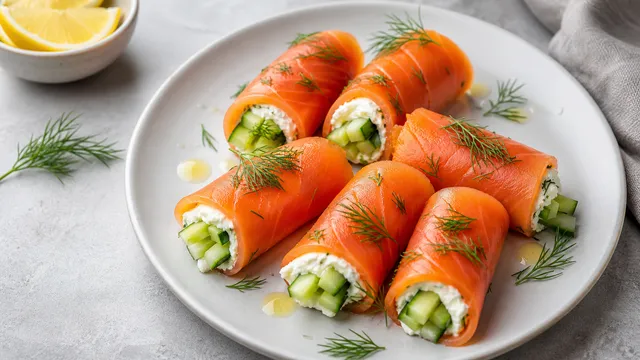
Keto Salmon Cucumber Cream Cheese Rolls - Elegant 5-Minute Breakfast
Keto salmon rolls with cream cheese and cucumber: just 2 g net carbs, 17 g fat, ready in 5 minutes. Light, fresh, and satisfying.

Keto Zucchini Cream Soup with Cream Cheese and Pumpkin Seeds
Creamy keto zucchini soup with cream cheese and toasted pumpkin seeds: vegetarian, without potatoes, approx. 7 g net carbs and 39 g fat per serving.