Chives: Onion Flavor Without the Carbs
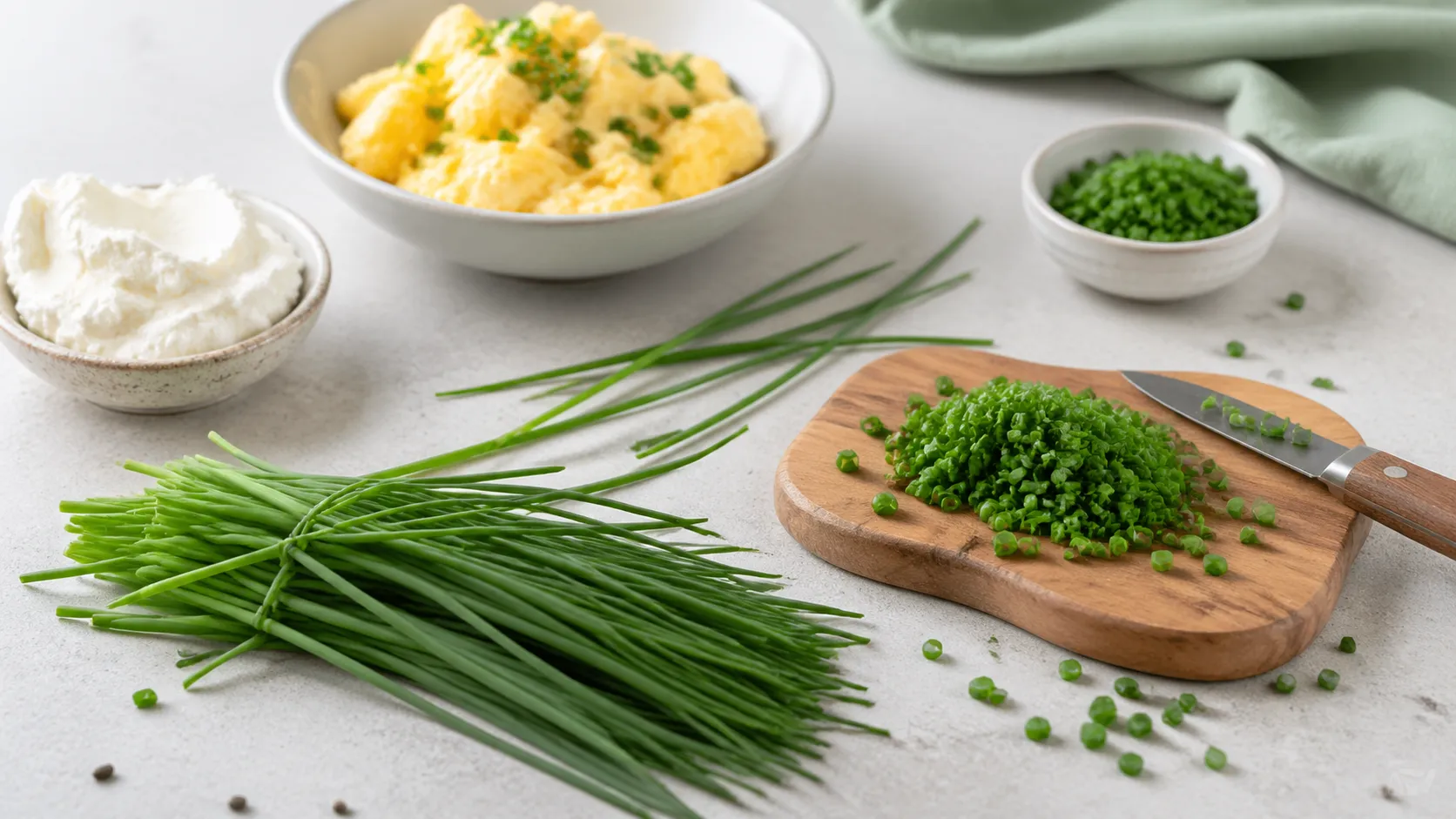
Onions are tricky on keto because they contain a fair amount of sugar (around 9 grams of carbs per 100 grams). Chives deliver that wonderful onion aroma, but you only use them in tiny amounts, typically 1 to 2 tablespoons per dish. While chives have 4 grams of net carbs per 100 grams, in the typical sprinkling of 3 to 5 grams that adds up to just a fraction of a gram. That makes chives practically carb-free and a great match for nearly any keto dish. They bring color, freshness, a mild onion aroma, and plenty of vitamin K and vitamin C to the plate. An organic potted plant on the windowsill provides fresh stalks for months and is cheaper than store-bought chives wrapped in plastic.
Is this recommended for keto?
Chives are a perfect topping for an attractive look and great flavor without the carb load. Per 100 grams they deliver 4 grams of net carbs, but in the typical sprinkling of 3 to 5 grams per dish (about a tablespoon) that's only 0.1 to 0.2 grams of carbs. That makes chives practically ketosis-neutral. At the same time, they provide vitamin K, vitamin C, folate, and beneficial plant compounds from the onion family. ✂️ Don't chop, slice! Always use an extremely sharp knife or kitchen scissors for chives. If the hollow stems are crushed with a dull knife, plant juices escape that quickly turn bitter and dull the aroma. Always slice chives just before serving and not too finely, otherwise the flavor is lost. Never store them preserved in oil, because in rare cases botulinum toxins can develop.
What pairs well with it?
Chives are unbeatable in scrambled eggs (sprinkled fresh over the finished egg), over cream cheese-rolled salmon, in herb butter, or in homemade chive dip made from quark (fresh cheese / European quark), yogurt, salt, and pepper. They also work beautifully in soups (especially cold summer soups like cucumber-avocado soup), salads, and sauces. With mushroom pans of button mushrooms in cream, chives are the classic topping. Also perfect with poached salmon, trout, or smoked fish. In savory keto waffles with cheese and bacon, chives round out the flavor profile. For avocado toast on almond flour bread with a fried egg, chives are a must. Also wonderful in a zoodle carbonara variation or in egg dishes like frittata, omelette, and deviled eggs. A frozen chive stash in ice cube trays (with a little water or olive oil) keeps for months.
Pros & cons of organic
Chives are best grown yourself! Pros: An organic pot on the windowsill is unbeatably fresh and guaranteed pesticide-free. Chives are very robust, thrive in the kitchen, on the balcony, or in the garden, and can be harvested for years if you don't cut the stalks down to the root. Cons: Pre-cut store-bought chives in plastic quickly turn mushy and lose their aroma within 2 to 3 days. Organic chives from a natural foods store cost more but usually have more flavor and no pesticide residues. Freeze-dried chives in jars are also a practical alternative for stockpiling, but should be used sparingly because the aroma is more concentrated. A single organic pot (about 3 to 5 euros) yields multiple harvests over several weeks.
Intolerances & allergens
Chives are generally very well tolerated and only extremely rarely trigger true allergies. For a sensitive stomach with FODMAP intolerance or irritable bowel syndrome, they can be slightly bloating in larger amounts because, like all members of the Allium family, they contain fructans. In the usual sprinkling amounts of 1 to 2 tablespoons per meal, that's not a problem. Chives are also generally well tolerated with histamine intolerance, unlike fermented onion products. People who react sensitively to garlic or onions can often still eat chives without trouble because the active compound concentration is lower. With very rare allium allergies, itching in the mouth or skin reactions can occur, in which case all Allium plants (garlic, onion, leek, wild garlic) should be avoided. For the vast majority of people, chives are an ideal keto seasoning herb.
Where to buy online or locally
Best bought as an organic potted plant at the supermarket or garden center (from about 3 euros) and harvested yourself. On the windowsill or balcony, chives thrive easily and provide fresh stalks for weeks. Important: when cutting, leave at least 5 centimeters above the soil so the plant grows back. In the garden, a chive clump can live for many years. Store-bought fresh chives by the bunch (about 1.50 to 2.50 euros per bunch) should be used quickly. One preservation method is chopping and freezing them in ice cube trays with a little water or olive oil, which keeps for months. Freeze-dried chives in a jar are a handy backup, but can't compare in flavor to fresh. Frozen organic chives are the second-best choice after a fresh potted plant.
Best keto recipes using it
- Shrimp scrambled eggs (lunch / dinner) - View recipe
- Keto almond flour waffles (savory variation) (breakfast) - View recipe
Nutrition values
| Nutrient | Per 100 g |
|---|---|
| Net carbs | 4 g |
| Fat | 0.7 g |
| Protein | 3.3 g |
| Calories | 28 kcal |
FAQ
How many chives are allowed on keto?
Practically unlimited in normal sprinkling amounts. One tablespoon of chives (about 3 grams) delivers only 0.1 grams of net carbs. Even if you use several tablespoons per day, you stay well below 1 gram of carbs. That makes chives one of the most worry-free keto seasoning herbs out there, and they can be sprinkled over dishes as you please. Even an entire bunch of fresh chives (50 grams) delivers only 2 grams of carbs.
Can chives replace onions?
Flavor-wise, partly yes. Chives have a milder onion aroma and work especially well as a topping, in cold sauces, in salads, and in egg dishes. For sauteed onions in pan dishes, they aren't a substitute because they quickly fall apart when heated. Here, very small amounts of real onion (about one tablespoon per dish, just under 1 gram of carbs) or garlic are a better choice. Always add chives fresh at the end of cooking.
How do I best store chives?
Fresh chives keep in the refrigerator in a damp kitchen towel or in a glass filled with water (like a bouquet) for about 4 to 7 days. An organic potted plant on the windowsill is the longest-lasting solution. To freeze: slice into fine rounds and portion into ice cube trays with a little water or olive oil, which keeps for 6 to 12 months. Freeze-dried chives in a jar keep for over a year.
Keto recipes with Chives
28 recipes on KetoWizard use Chives. These put the ingredient front and centre.
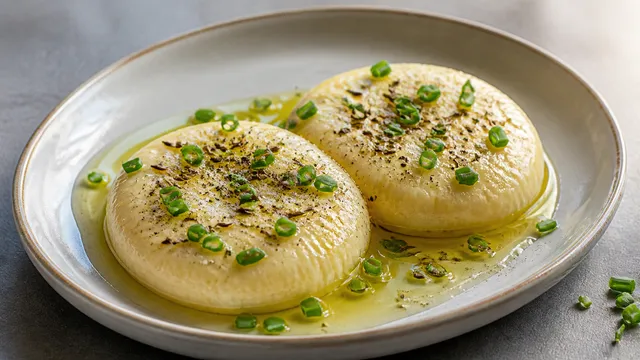
Handkase in the Microwave - Creamy with Caraway in 5 Minutes
Handkase melted creamy in the microwave: with caraway and chives, ready in 5 minutes - approx. 1 g net carbs and 12 g fat per serving. The fastest keto handkase dish.
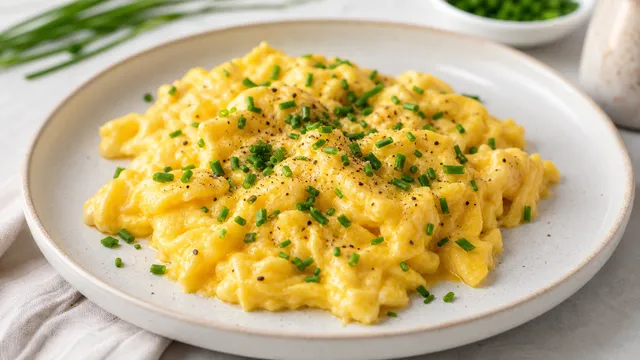
Keto Scrambled Eggs with Butter and Chives – The 3-Minute Breakfast
Keto butter scrambled eggs with chives: just 1 g net carbs, 29 g fat, and ready in 3 minutes – the classic keto breakfast.
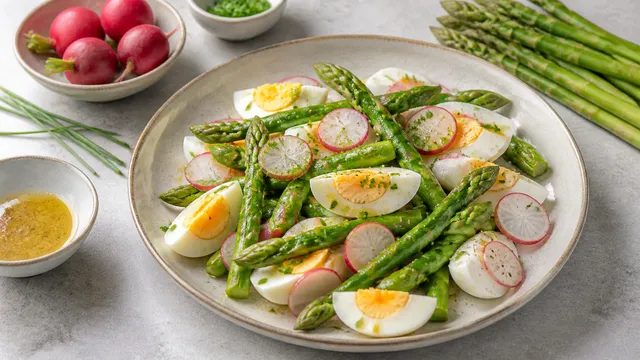
Keto Asparagus Salad with Egg and Radish for Easter Brunch
Keto asparagus salad with green asparagus, egg and radish in a mustard vinaigrette: approx. 4 g net carbs and 21 g fat per serving - lukewarm or cold.
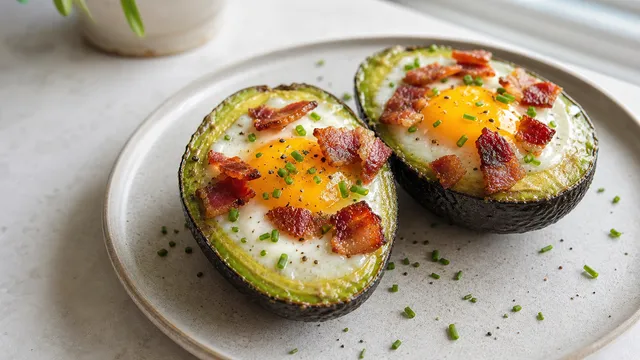
Keto Avocado with Baked Egg
Baked avocado with egg and bacon from the oven: 3 g net carbs, 36 g fat, 18 g protein. Pretty keto breakfast, ready in 20 minutes.
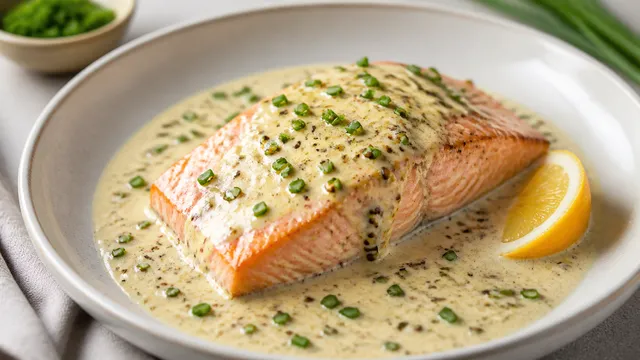
Keto Salmon in Mustard Cream Sauce
Salmon in a creamy Dijon mustard cream sauce with chives, approx. 3 g net carbs and 45 g fat. Ready in 20 minutes with frozen or fresh salmon.
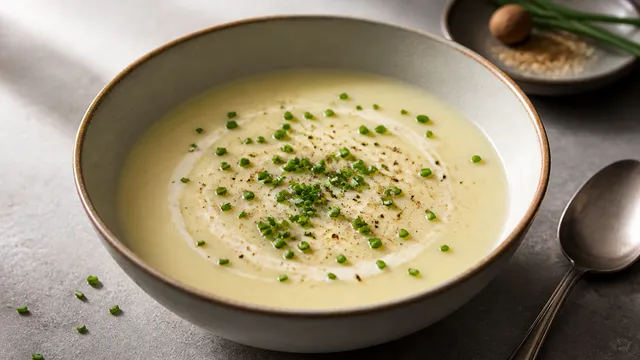
Handkase Cheese Soup with Vegetable Broth and Cream
Handkase dissolved in hot vegetable broth: creamy cheese soup with approx. 2 g net carbs and 14 g fat per serving, ready in 15 minutes. Keto soup without a roux.
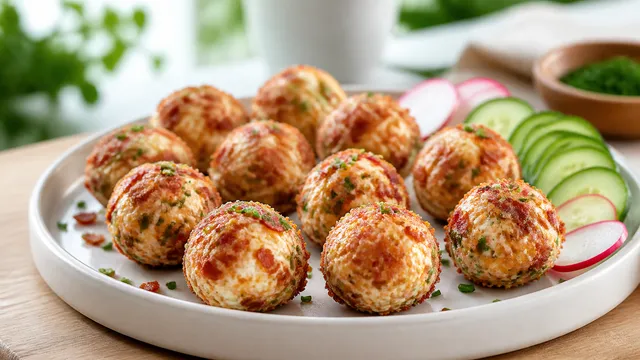
Keto Bacon Cheese Balls – Savory Low-Carb Snack to Take Along
Keto bacon cheese balls with cream cheese, cheddar and bacon: only 1 g net carbs, 12 g protein and 22 g fat per serving (3 balls). Ready in 10 minutes.
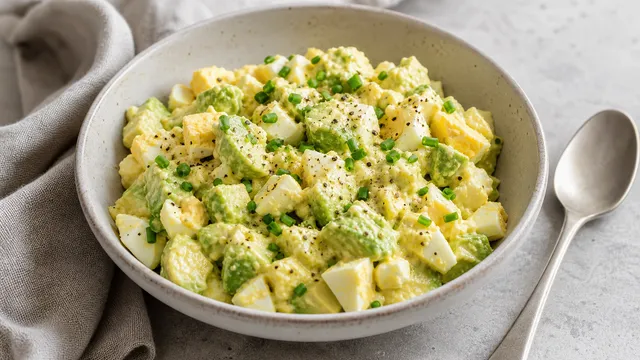
Keto Egg Avocado Salad - Quick 3-Minute Breakfast
Keto egg avocado salad for breakfast: only 2 g net carbs, 30 g fat and ready in 3 minutes - lightning fast with pre-cooked eggs.
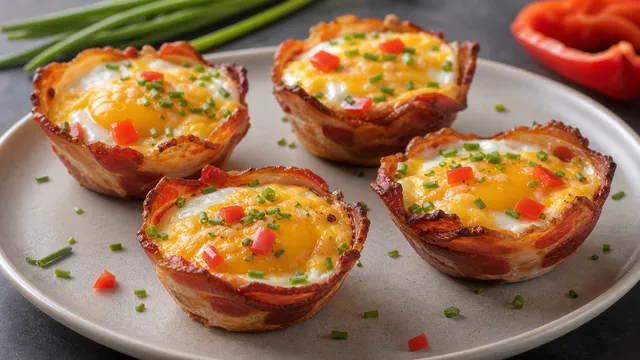
Keto Egg Muffins with Bacon and Cheddar
Keto egg muffins with bacon and cheddar: approx. 52 g protein, 5 g net carbs and 58 g fat - a hearty keto breakfast from the muffin tin, ready in 20 minutes.
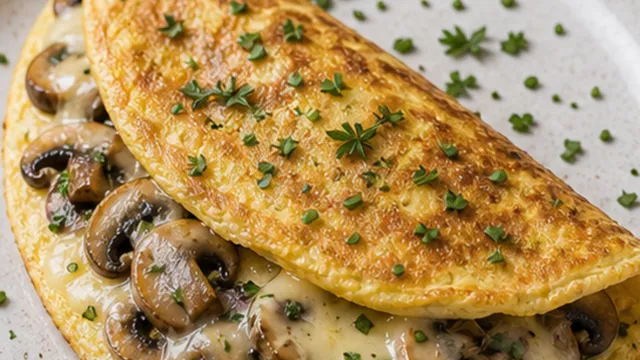
Keto Mushroom Omelet with Gruyère and Herbs
Keto mushroom omelet with Gruyère, chives, and parsley: approx. 3 g net carbs, 32 g fat, and 28 g protein per serving, breakfast in 15 minutes.
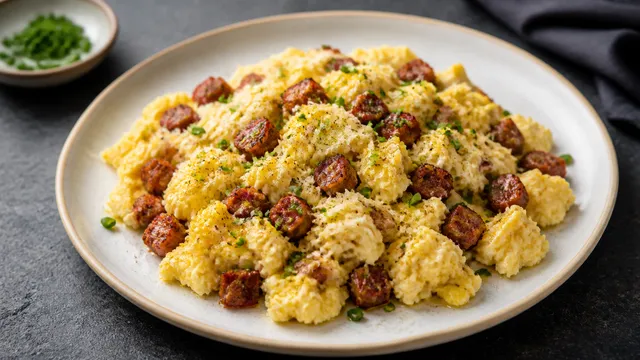
Keto Chorizo Scrambled Eggs with Manchego
Keto chorizo scrambled eggs with Manchego: approx. 52 g protein, 2 g net carbs and 56 g fat. A spicy Spanish-style keto breakfast ready in 11 minutes.
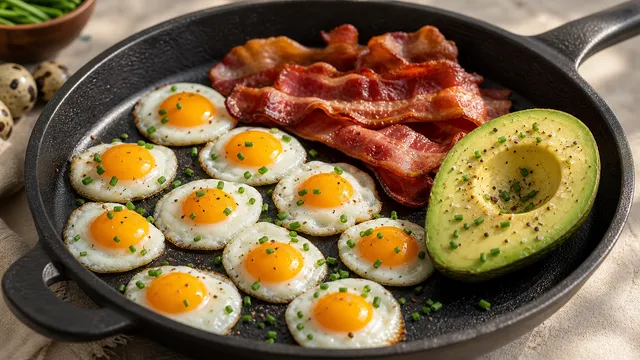
Keto Quail Egg Breakfast with Bacon and Avocado
Keto breakfast with eight quail eggs in butter, crispy bacon and half an avocado: 3 g net carbs, 38 g fat, 26 g protein. Ready in 12 minutes.