Chai Latte: Yes to Spices, No to Sugar
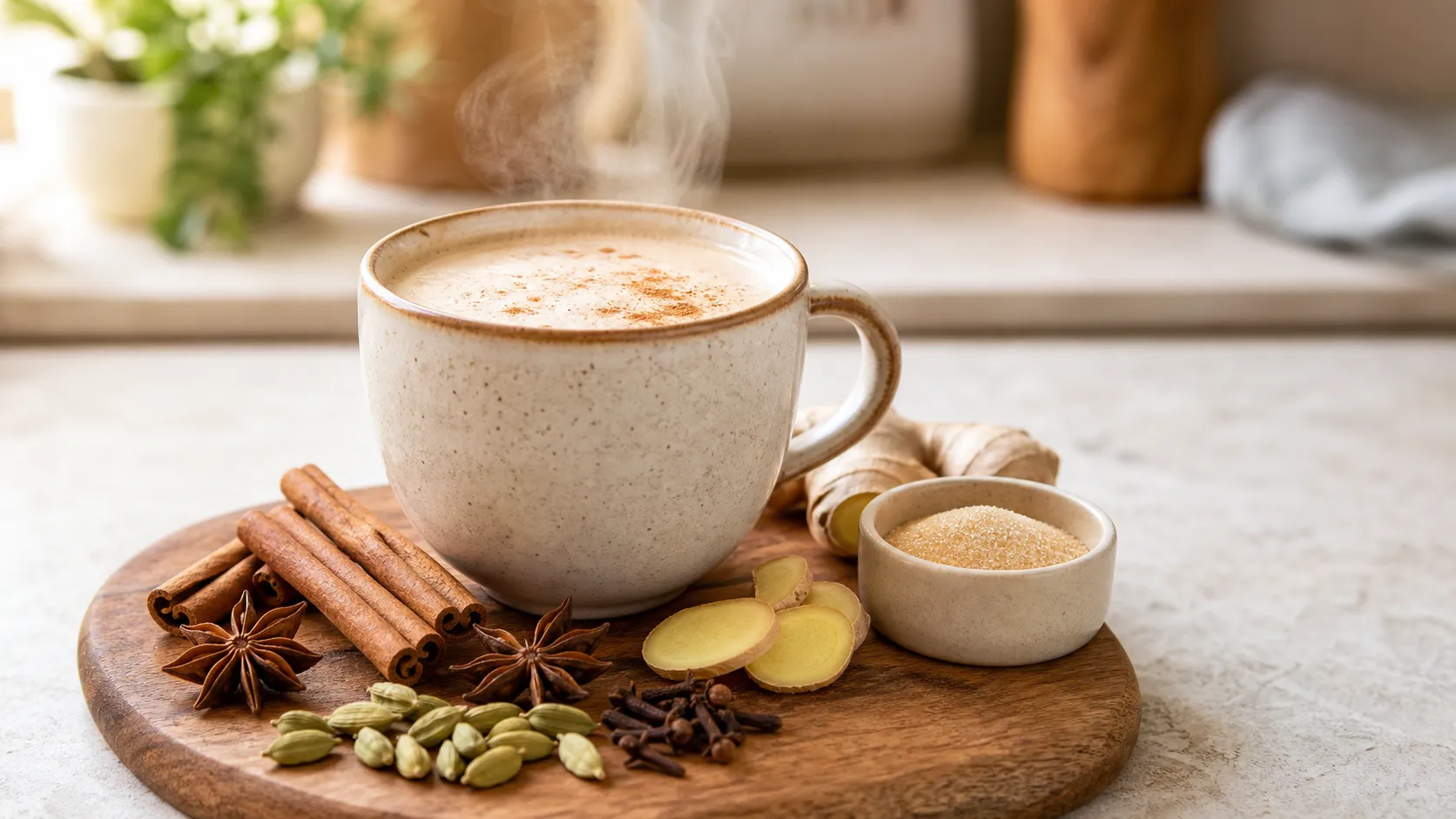
Chai latte is one of the most popular cafe drinks, but it is a real keto problem. A standard cafe chai latte or ready-made mix typically contains 20 to 35 g of sugar per cup, and a grande chai latte (480 ml) at major cafe chains can reach up to 42 g of sugar and 45 g of carbohydrates (Harvard T.H. Chan). That exceeds the entire daily carb budget on keto in a single drink. The good news: the spices themselves (cinnamon, cardamom, ginger, cloves, black pepper) are keto-friendly and even health-promoting. You just have to take preparation into your own hands.
Why isn't this allowed on keto?
Keto warning: Ready-made chai latte is not allowed on keto. A grande chai latte from major cafe chains contains up to 42 g of sugar and 45 g of carbohydrates (Harvard T.H. Chan). That exceeds the entire daily carb budget on keto in a single drink. Ready-made chai powder mixes from the supermarket are likewise mostly sugar, often 60 to 80 percent of the powder is sucrose. Even with supposedly healthy organic varieties, it pays to check the ingredient list: 'cane sugar', 'coconut blossom sugar' or 'honey' are not keto-compliant alternatives, since they act metabolically identical to white sugar. Keto alternative: Brew chai spices (cinnamon, cardamom, ginger, cloves, black pepper) yourself with black tea, use coconut cream or cream instead of milk, and sweeten with erythritol or stevia. A homemade keto chai delivers around 100 to 150 kcal per cup, 12 g of fat, 1 g of protein and less than 2 g of net carbs. The spicy flavor is fully preserved.
Keto-friendly alternatives
A homemade keto chai works for many times of day. At breakfast with eggs, bacon and avocado, the spicy tea perfectly complements the savory meal, and the combination of cinnamon and cardamom may even positively influence insulin sensitivity (according to several studies, cinnamon has a blood-sugar-regulating effect). As an afternoon drink with a splash of cream without carrageenan and a pinch of cinnamon, it remains satisfying and pairs well with keto snacks such as almonds, walnuts or cheese slices. The spices themselves are keto-friendly and can also be added to rooibos tea for a caffeine-free evening keto chai. Chai also pairs excellently with keto desserts such as almond flour pancakes or cheesecake bites. If you are feeling adventurous, you can even create a bulletproof chai: black tea with chai spices, 1 tablespoon of MCT oil, 1 tablespoon of butter and a touch of erythritol. Around 250 kcal per cup from fat, ideal as a breakfast substitute for intermittent fasting or egg-fast days.
Does organic quality help?
Benefits of organic spices: Organic cinnamon, organic cardamom and organic ginger are free of synthetic pesticides and often more aromatic thanks to gentle processing. Brands such as Sonnentor, Lebensbaum, Herbaria or Demeter offer high-quality organic chai spices, often as whole components (cinnamon sticks, cardamom pods, cloves) or as a ready chai blend without sugar. Cinnamon selection is especially important: there are two main varieties, cassia cinnamon (inexpensive, from China or Indonesia) and Ceylon cinnamon (more expensive, from Sri Lanka). Cassia contains significantly more coumarin (about 2 to 4 g per kg), which can be liver-damaging in larger amounts. Ceylon cinnamon contains only 0.02 to 0.2 g of coumarin per kg and is the safer choice for regular consumption. A BfR recommendation is a maximum of 0.1 mg of coumarin per kg of body weight per day. Drawbacks: Making it yourself is marginally more expensive than ready-made products, but quality-wise many times better. An investment of 5 to 10 euros in high-quality chai spices lasts several months.
Health & allergens
The classic chai spices are generally well tolerated and contain no allergens requiring declaration. Cinnamon warning: cassia cinnamon in particular contains coumarin, which can be liver-damaging in large amounts. The BfR recommendation is a maximum of 0.1 mg of coumarin per kg of body weight per day, which corresponds to about 7 mg for a 70 kg adult. A teaspoon of cassia cinnamon can already contain 5 to 10 mg of coumarin, so Ceylon cinnamon is better suited for regular consumption. Ginger sensitivity: in very large amounts (several grams daily) ginger can have a blood-thinning effect and should be discussed with a doctor if taking anticoagulants. At normal seasoning doses (0.5 to 1 g) ginger is very well tolerated. Black pepper can be irritating to very sensitive stomachs. Mind milk substitutes: if you prepare the chai with almond or soy milk, be careful in case of almond allergy or soy intolerance. Coconut cream is usually a safe alternative.
What to buy instead
Ready-made chai latte products are not suitable for keto, instead buy individual spices and mix them yourself. Basic kit for keto chai: Ceylon cinnamon sticks (about 5 euros per 50 g, e.g. from Sonnentor), green cardamom pods (4 to 8 euros per 50 g, Lebensbaum or Herbaria), fresh ginger (from the farmers market or organic store, about 5 euros per kg), cloves (3 to 5 euros per 30 g), black pepper in the grinder. Optional: star anise and fennel for a more complex flavor. Pre-mixed organic chai spices without sugar: Sonnentor Chai, Herbaria Chai Spice, Yogi Tea Classic (look for 'no added sugar'). When choosing the sweetener: high-quality erythritol from brands such as Xucker Light, Sukrin Gold, or erythritol-stevia blends are ideal, since they have no aftertaste and are glycemically neutral. Milk substitute: coconut cream from the organic store or unsweetened almond milk (1 to 2 euros per liter) round out the chai nicely. Alternatively, whipping cream without carrageenan from the organic range.
Nutrition values
| Nutrient | Per serving |
|---|---|
| Net carbs | 20-35 g (per cup, ready-made) |
| Fat | 3 g |
| Protein | 6 g |
| Calories | 190 kcal |
FAQ
How do I prepare a keto chai latte at home?
Brew 1 bag of black tea with 200 ml of hot water and a 5-minute steep. Add 1 cinnamon stick (Ceylon), 4 crushed cardamom pods, 3 cloves, a slice of fresh ginger and a pinch of black pepper. Let it steep for 10 minutes, then strain. Warm 100 ml of coconut cream or cream, add 1 teaspoon of erythritol, briefly froth and add to the tea. About 150 kcal and less than 2 g of net carbs per cup.
Are supermarket chai concentrates keto-friendly?
Generally no. Brands such as Yogi Tea chai concentrate, Tazo Chai or chai spice syrups typically contain 15 to 30 g of sugar per serving. Organic versions from Sonnentor or Lebensbaum are not automatically sugar-free. Always read the ingredient list: if 'sugar', 'cane sugar', 'honey' or 'agave syrup' appear, the product is not keto-friendly. Only chai spice blends without sweeteners work.
Is chai latte allowed on a ketogenic diabetic diet?
Ready-made chai latte with 30 to 40 g of sugar per cup is generally problematic for diabetics, not just on keto. A homemade keto chai with erythritol and cream is a good alternative, since it has no blood sugar effect. Cinnamon in chai can even have a mildly blood-sugar-lowering effect, as several studies show. With any diabetic therapy, always discuss with your doctor.