Bubble Tea: Tapioca Pearls Are Pure Starch
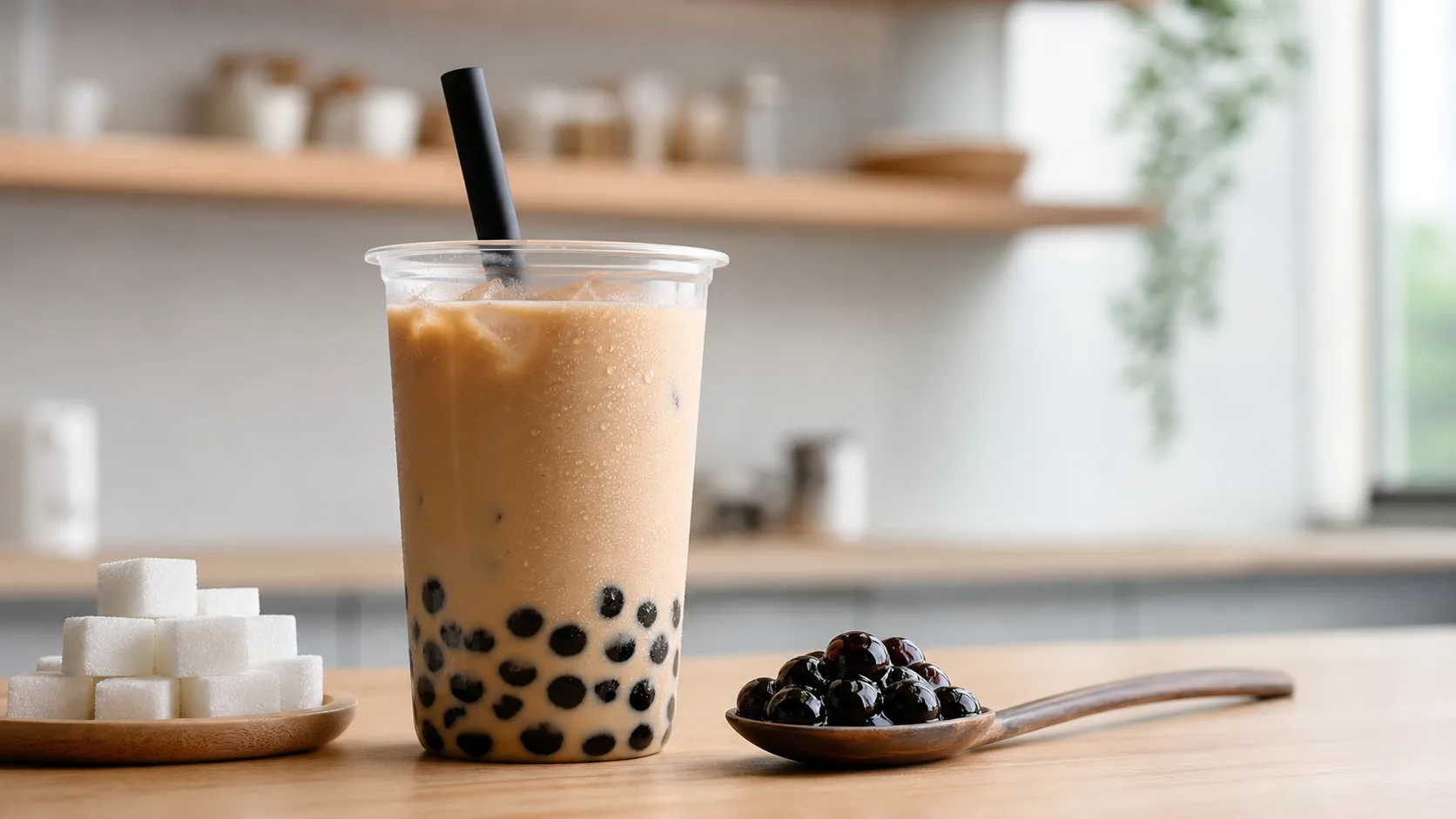
Bubble Tea is not suitable for a ketogenic diet. A standard cup (500 ml) contains 30 to 50 g of sugar according to industry analysis, which is 2 to 3 times the daily keto carb limit. The tapioca pearls are made of cassava starch (a pure polysaccharide) and deliver 20 to 25 g of carbohydrates per serving on their own, with no protein, fat, or micronutrients (USDA FoodData Central). On top of that, Bubble Tea bases are sweetened with sugar syrup, condensed milk, or fruit syrup, which further increases the glycemic load. With a glycemic index above 80, Bubble Tea is one of the worst possible matches for ketosis.
Why is this not allowed on keto?
Keto warning: Bubble Tea is not allowed on keto. The tapioca pearls are made of tapioca flour (cassava starch) and deliver 20 to 25 g of carbohydrates per serving on their own. On top of that comes the sweetened tea with another 10 to 25 g of sugar and possibly fruit syrup or popping bobas, which can push sugar levels up to 50 g per cup. A single 500 ml cup can therefore contain 2 to 3 times the daily keto carb limit and will immediately knock any user out of ketosis. Even a supposedly harmless 'small portion' (300 ml) still delivers 18 to 30 g of carbohydrates. There is no sensible keto version of Bubble Tea in its usual form. If you miss the texture of the pearls, you can try konjac pearls (shirataki), although they differ significantly in taste and texture from real bobas.
Keto-friendly alternatives
If you miss the Bubble Tea flavor, try a keto milk tea as an alternative: brew black tea or green tea strong, mix with about 50 ml of coconut cream or carrageenan-free heavy cream, sweeten with 1 to 2 g of erythritol and a hint of vanilla extract. This combination delivers about 200 kcal, 18 g of fat, 2 g of protein, and under 2 g of net carbs per serving. It doesn't replace the texture of the pearls but comes very close to the milk tea taste. If you're feeling experimental, you can use konjac pearls (shirataki rice or konjac pearls from an Asian grocery store): they have practically zero calories and zero carbs, but require seasoning with flavors since they are taste-neutral. A Bubble-Tea-like drink with konjac pearls, matcha tea, almond milk, and erythritol can be a creative keto alternative. However, classic Bubble Tea from the cafe counter remains off-limits even when it's offered as 'sugar-free,' because the pearls themselves are starch-heavy.
Does organic quality help?
With Bubble Tea, organic quality is largely irrelevant because the drink is unsuitable for keto in any form. Even organic tapioca pearls are over 85 percent starch and therefore highly glycemic. Organic cane sugar syrup is just as problematic as conventional sugar, since the metabolic effect is identical. If you value organic quality in tea, you can switch to organic black tea or organic green tea as a base for homemade keto milk teas. The advantages of organic tea are not the carb balance but the lower pesticide load. Conventional tea from China or Sri Lanka in particular sometimes contains measurable amounts of pesticides. Brands such as Gepa, Cha Dao, Lebensbaum, or Hampstead Tea offer organic teas of good quality. For an authentic Taiwanese Bubble Tea substitute, use a strong Assam or Ceylon black tea as a base. Ultimately, however, the organic choice doesn't change the keto problem of Bubble Tea itself.
Health & allergens
Tapioca is naturally gluten-free and is not one of the 14 EU-declarable allergens. Allergic reactions to cassava are extremely rare. The main problem with Bubble Tea for keto followers is not the allergen question but the enormous carbohydrate content. For very sensitive individuals, the following components can cause issues: condensed milk in many Bubble Tea variations contains lactose and milk protein. Flavor syrups are often based on artificial flavors, dyes (E 102, E 110, E 124), and preservatives such as sodium benzoate (E 211), which can cause headaches or allergic reactions in sensitive individuals. Fruity popping bobas often also contain carrageenan (E 407) as a thickener, which following EFSA discussions is not ideal for people with gut sensitivity. If you have histamine intolerance, you should avoid aged teas (Pu-erh, fermented). With glutamate sensitivity, monosodium glutamate in some commercial Bubble Tea mixes can trigger symptoms.
What to buy instead?
Bubble Tea is not recommended on keto, so there is no sensible purchase recommendation. If you still want to prepare authentic Taiwanese tea, invest instead in high-quality loose-leaf teas: organic Assam, organic Ceylon, sencha, or matcha are ideal bases for keto-compliant milk teas. Recommended sources: tea manufacturers like Ronnefeldt, Hampstead Tea, Cha Dao, or organic markets with a tea selection. A 100 g pack of loose organic black tea costs 4 to 12 euros and is enough for 30 to 50 cups. For sweetness, invest in high-quality erythritol or erythritol-stevia blends such as Xucker Light, Sukrin, or Bauck Hof organic erythritol. Avoid: ready-made Bubble Tea mixes from Asian grocery stores, Bubble Tea chains like Coco, Chatime, Yifang, or Gong Cha. Even if they offer a 'Less Sugar' option, the starch content of the pearls remains a keto killer. Prepare flavorful keto-friendly tea drinks yourself; after a short adjustment period, this often tastes even better.
Nutrition values
| Nutrient | Per serving |
|---|---|
| Net carbs | 30-50 g (per 500 ml cup) |
| Fat | 0-3 g |
| Protein | 0-2 g |
| Calories | 200-350 kcal |
FAQ
Why are tapioca pearls forbidden on keto?
Tapioca pearls are over 85 percent cassava starch, a pure carbohydrate polysaccharide. Per serving (50 to 70 g of pearls), they deliver 20 to 25 g of fast-available carbs with a glycemic index above 80. This causes a sharp blood sugar spike and immediately knocks any keto user out of ketosis. Protein and micronutrients are practically nonexistent.
Is there sugar-free Bubble Tea?
Some providers advertise '0 Calorie Sugar' or 'Less Sugar,' but this usually refers only to the added syrup, not the tapioca pearls themselves. Even Bubble Tea sweetened with erythritol or stevia remains highly glycemic and keto-unsuitable due to the starch in the pearls. A truly keto-compliant version can only be made at home, without tapioca pearls.
What are keto alternatives to Bubble Tea?
Homemade keto milk tea (strong black tea, coconut cream or heavy cream, erythritol, vanilla) comes close to the milk tea flavor. For the pearl texture, you can try konjac pearls (shirataki), which have practically zero carbs but are taste-neutral and need preparation. Cold-brewed matcha tea with almond milk is also a creative alternative without sugar and starch.