Black Tea: A Bold Keto Companion Rich in Theaflavins
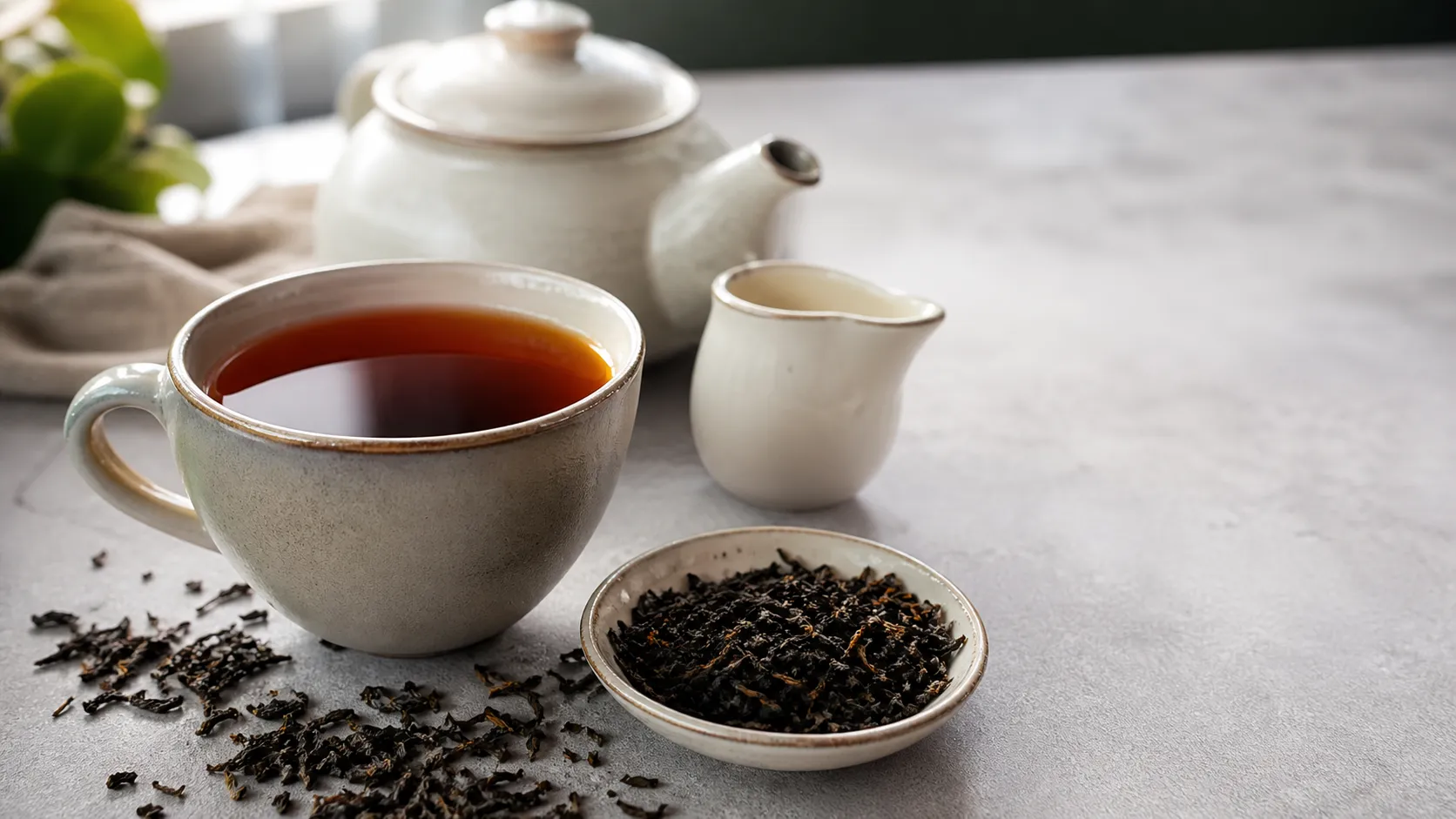
Black tea is the most intense true tea variety, produced through full oxidation of Camellia sinensis leaves. According to the USDA, it contains 0 g net carbs per cup, making it fully keto-friendly. With 40 to 70 mg of caffeine per cup, it has the highest caffeine content among teas and is an ideal, gentle coffee alternative. The theaflavins and thearubigins formed during oxidation have been linked in studies to improved cardiovascular health and lower LDL cholesterol (Harvard T.H. Chan School of Public Health). Classic varieties such as Earl Grey, Assam, Darjeeling, and English Breakfast are all equally suitable for a ketogenic diet.
Is it recommended for keto?
Black tea is fully allowed on keto. Per 100 ml of brewed tea, it contains 0 g net carbs and just 1 kcal according to the USDA. Its caffeine content of 40 to 70 mg per cup sits between green tea (25 to 50 mg) and a cup of coffee (95 to 120 mg). That makes black tea the ideal morning drink, providing alertness without the sometimes harsh effect of coffee. Earl Grey, Assam, Darjeeling, English Breakfast, and East Frisian tea are all equally keto-friendly, as long as you skip milk and sugar. The theaflavins produced through oxidation account for 1 to 6 percent of dry mass and have been linked in studies to improved endothelial function and lower LDL levels. A splash of cream (1 tbsp = about 0.4 g carbs) provides a creamy version that replaces milk (5 g carbs per 100 ml). Brand recommendations: For the highest quality, choose loose leaves from Tee Gschwendner, Ronnefeldt, Bünting (East Frisian tea), or Twinings (Earl Grey). Tea bags: Yogi Tea English Breakfast, Pukka Black Tea, or organic varieties from Lebensbaum and Sonnentor.
What pairs well with it?
As a robust breakfast tea, black tea pairs perfectly with classic keto breakfasts: fried eggs with bacon and avocado, bratwurst with scrambled eggs, or a slice of keto bread with butter and cooked ham. The malty tannins harmonize with savory flavors and support fat digestion. In the afternoon, Earl Grey with a splash of cream and a bit of erythritol becomes the classic high-tea variant, ideal with a slice of keto cheesecake or an almond-flour scone. In summer, brew black tea double-strength, cool it down, and pour it over ice with lemon and erythritol for a first-rate iced tea without the sugar of industrial products. For chai lovers: brew Assam with cinnamon, cardamom, cloves, and black pepper, add coconut cream and erythritol, and you have keto chai without 30 g of sugar. English tradition: a squeeze of lemon (Russian style) instead of milk.
Pros & cons of organic
Benefits of organic black tea: Organic tea significantly reduces pesticide residues. Conventional tea from India, Sri Lanka, Kenya, and Pakistan in particular can show elevated levels. A Greenpeace investigation found concerning pesticide residues in several conventional black tea brands. With loose leaves that are steeped multiple times, contamination accumulates. Organic cultivation guarantees pesticide-free processing and fair growing conditions for tea farmers. Drawbacks: Organic Darjeeling First Flush or organic Assam TGFOP often costs twice as much as conventional mass-market tea. A 100 g pack of organic Darjeeling costs 15 to 30 euros, a comparable conventional one about 7 to 12 euros. For daily drinking, organic is especially worthwhile for loose leaves, since pesticide exposure carries more weight there than with tea bags. Look for the EU organic seal and ideally Demeter or Naturland certification.
Intolerances & allergens
Black tea contains caffeine and tannins in higher concentrations than green or white tea. For sensitive stomachs, it can cause heartburn, nausea, or stomach pain, especially on an empty stomach. The tannins significantly inhibit iron absorption from plant sources (up to 60 percent reduction). Therefore, avoid drinking black tea directly with iron-rich meals; keep at least a 1-hour gap. During pregnancy, keep caffeine intake below 200 mg per day. Bergamot oil in Earl Grey can, very rarely, trigger photosensitivity.
Where to buy online or locally
Black tea is available in every supermarket, health food store, and specialty tea shop. For higher quality, choose loose leaves over bags. Bags often contain fannings (broken tea), which taste more bitter and lose their aromas faster. High-quality varieties: East Frisian tea (Bünting, Onno Behrends), Darjeeling First Flush (spring harvest, floral), Assam TGFOP (bold and malty), Earl Grey with real bergamot (Twinings, Ronnefeldt), Ceylon (mild and citrusy), Yunnan (spicy-sweet), or Lapsang Souchong (smoky). Brands like Ronnefeldt, Tee Gschwendner, P&T Berlin, or Mariage Frères offer reliable premium quality. Store loose tea in a dark, dry, airtight tin, and it will stay aromatic for 12 to 18 months. Bags should also be stored dry.
Nutrition values
| Nutrient | Per 100 ml (brewed) |
|---|---|
| Net carbs | 0 g |
| Fat | 0 g |
| Protein | 0 g |
| Calories | 1 kcal |
FAQ
How much caffeine does black tea have compared to coffee?
A cup of black tea contains 40 to 70 mg of caffeine, while a cup of filter coffee has 95 to 120 mg. Black tea therefore has about half the caffeine content and, thanks to its tannins, works more slowly and steadily over 3 to 4 hours. The combination of caffeine and L-theanine provides gentler alertness without the coffee crash, ideal for morning and afternoon.
Can I drink black tea with milk on keto?
Whole milk contains about 5 g of carbs (lactose) per 100 ml. A splash of 30 ml provides 1.5 g of carbs, which is acceptable in a single cup but adds up over several. Better options include heavy cream (0.4 g carbs per tbsp), coconut cream (1 g carbs per tbsp), or unsweetened almond milk (0.3 g carbs per 100 ml) as keto-friendly milk alternatives.
Which black tea has the most caffeine?
Assam and East Frisian tea typically contain the most caffeine, about 60 to 70 mg per cup, because the robust lowland leaves store more caffeine. Darjeeling and Ceylon come in lower at 40 to 50 mg. A longer steep time (5 minutes) and hotter water (95 to 100 degrees Celsius) extract more caffeine. Earl Grey varies between 40 and 60 mg depending on the base tea.