Arugula: Nutrient-Rich and Wonderfully Peppery
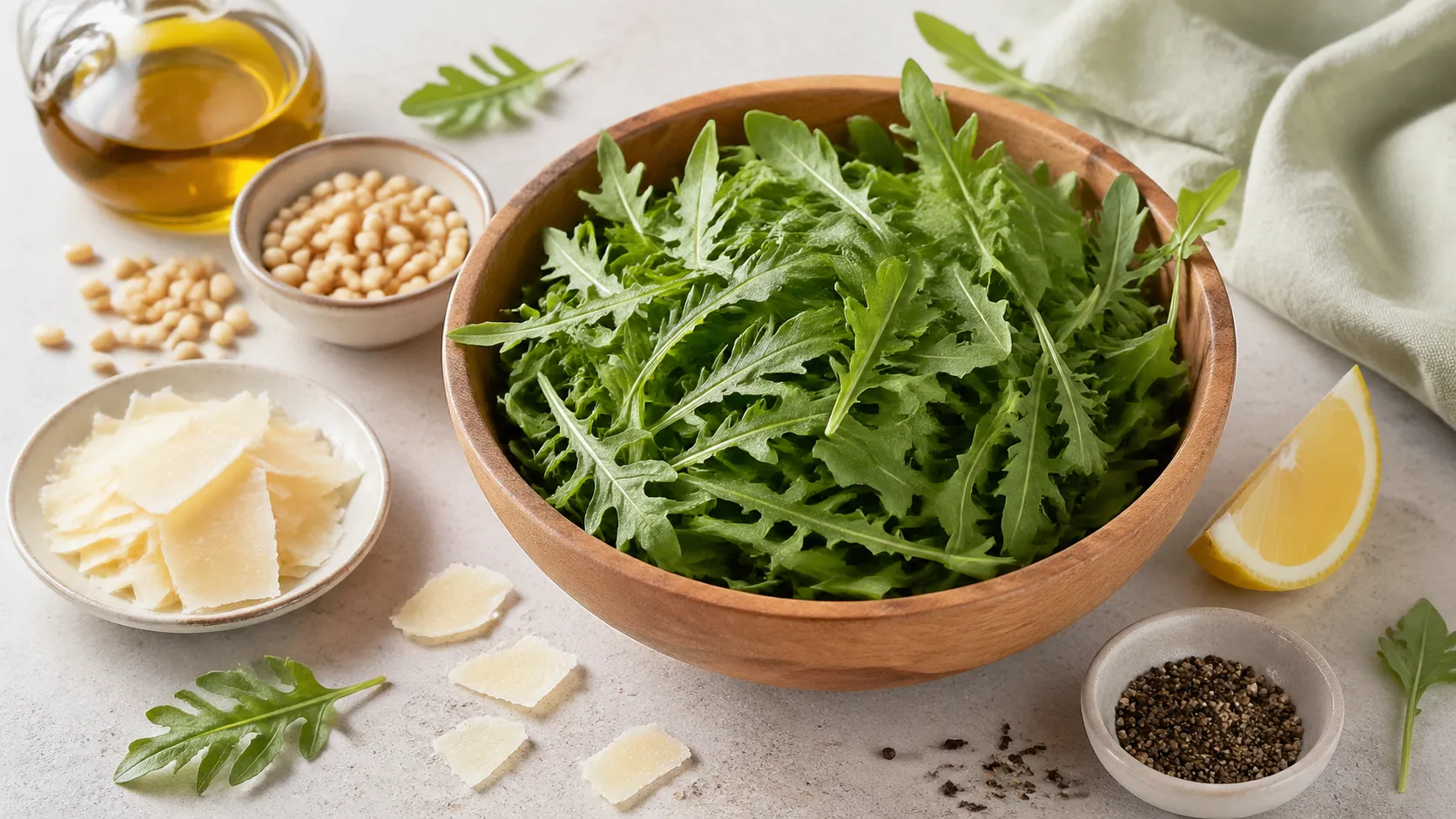
Leafy greens are your main source of volume, fiber, and micronutrients on keto. Arugula (also known as rocket) stands out with its peppery, nutty flavor and adds real punch to a salad with almost no carbs. Per 100 grams it delivers just 2 grams of net carbs, plus plenty of vitamin K (around 109 micrograms, 145 percent of the daily value), folate (97 micrograms), and calcium. A PubMed review (PMC6470839) shows that cruciferous vegetables like arugula contain health-promoting glucosinolates that have been linked to a reduced cancer risk. The bitter compounds also stimulate bile flow and help digest the typically fat-rich meals of a keto diet.
Is it recommended for keto?
Alongside spinach, arugula is one of the most highly recommended vegetables for ketosis. With just 2 grams of net carbs per 100 grams, 109 micrograms of vitamin K (145 percent of the daily value), and 97 micrograms of folate per 100 grams, it is a true nutrient powerhouse. A generous portion of arugula salad (80 grams) delivers less than 2 grams of carbs but plenty of important micronutrients. 🌱 Bitter is better: The bitter compounds in arugula (primarily glucosinolates) stimulate bile production. This helps your body massively in digesting the high fat amounts of a keto diet. Anyone who struggles with digestive issues on keto should make arugula a regular part of their menu. A PubMed review (PMC6470839) also confirms the cancer-protective effects of cruciferous vegetables. The vitamin K in arugula is also important for bone metabolism and blood clotting.
What pairs well with it?
Arugula is a dream match with olive oil (cold-pressed, extra virgin) and a splash of balsamic vinegar, with shaved Parmesan, with beef tenderloin or steak (the classic Italian tagliata dish), and with pan-fried halloumi. It also pairs perfectly with smoked salmon, burrata, avocado, and pine nuts. On keto pizza toppings (on an almond-flour crust), fresh arugula adds a fine peppery note after baking. A classic arugula-halloumi salad with olive oil, lemon, cherry tomatoes, toasted pine nuts, and a little feta cheese provides only about 5 grams of net carbs and over 40 grams of fat per serving. Arugula can also be used in smoothies in small amounts, although its flavor dominates quickly. Pesto made from arugula, olive oil, pine nuts, Parmesan, and garlic is a savory keto sauce that goes great with zoodles or chicken.
Pros & cons of organic
Arugula readily stores nitrates from synthetic fertilizers. Pros of organic: Stricter fertilization rules, generally lower nitrate levels, and no pesticide residues. Organic arugula from local growers (in season May to October) is the best choice. Wild arugula (Diplotaxis tenuifolia) also has a more intense flavor and is usually less nitrate-loaded than conventional garden arugula. Cons: Organic arugula often wilts even faster than conventional because no chemical preservatives are used. So keep it cold and use it quickly. In a supermarket plastic bag, arugula keeps about 3 to 5 days; freshly harvested from the garden, 1 to 2 days. If you have a balcony, arugula grows there like a weed, often self-seeds, and supplies fresh leaves for months. In heat, the flavor can become very sharp as the plant bolts.
Intolerances & allergens
Arugula is very well tolerated and practically never triggers allergies. It belongs to the cruciferous family (Brassicaceae), like broccoli, mustard, and cress. Allergies to cruciferous vegetables are extremely rare. With histamine intolerance, arugula is well suited and usually tolerated without problems. With thyroid issues (especially Hashimoto's and hypothyroidism), people are sometimes warned not to eat large amounts of raw cruciferous vegetables because they contain goitrogens that can interfere with iodine uptake. In normal amounts (one salad portion per day), this is not a problem, especially if iodine needs are met through sea fish and seaweed. For irritable bowel syndrome (IBS), arugula is usually well tolerated thanks to its low FODMAP content. Overall, arugula is one of the most trouble-free leafy greens for the keto diet and for people with food intolerances.
Where to buy online or locally
Fresh at the farmers' market (in season May to October) or pre-packed in the refrigerated supermarket section. Organic arugula in a plastic bag costs about 1.50 to 2.50 euros per 70 grams. Wild arugula usually has more flavor and is available at organic markets. In your own garden or balcony planter, arugula grows like a weed; once sown, it often delivers several harvests per year. Tip: When buying, make sure the leaves are deep green, crisp, and not yellowed or wilted. At home, take it out of the plastic immediately and store it in an airtight container with paper towels, which extends shelf life to 4 to 5 days. Frozen arugula is rare because it loses its crispness when thawed. For salads always use fresh; for smoothies or pestos, slightly wilted leaves are also fine.
Best keto recipes with it
- Beef tenderloin with arugula (dinner) - View recipe
- Halloumi arugula salad (lunch) - View recipe
Nutrition values
| Nutrient | Per 100 g |
|---|---|
| Net carbs | 2 g |
| Fat | 0.7 g |
| Protein | 2.6 g |
| Calories | 25 kcal |
FAQ
How many carbs does arugula really have?
Arugula provides only 2 grams of net carbs per 100 grams, plus nearly 1.6 grams of fiber. A typical salad portion (80 grams) therefore has only 1.6 grams of carbs. Even large amounts (200 grams of arugula) come to just 4 grams of carbs, which fits any keto approach with no problem. That makes arugula one of the lowest-carb leafy greens out there, comparable to spinach, lamb's lettuce, and lettuce.
Is arugula better than spinach for keto?
Both are excellent. Arugula has a more intense flavor and slightly less iron, but more vitamin K and more bitter compounds that support fat digestion. Spinach delivers more iron and folate. Both have about 2 grams of net carbs per 100 grams. For variety on your menu, both are a must. Arugula is especially suited for raw salads, while spinach often works better in pans, smoothies, and casseroles.
How do I keep arugula fresh the longest?
Take it out of the plastic bag and store it in an airtight container with a piece of absorbent paper towel. The paper towel pulls excess moisture, which causes quick wilting. Stored this way, arugula keeps in the fridge for 4 to 5 days. Before eating, briefly wash it in cold water and dry it in a salad spinner. Never store it wet. If you grow your own, it's best to harvest just before eating.
Keto recipes with Arugula
4 recipes on KetoWizard use Arugula. These put the ingredient front and centre.
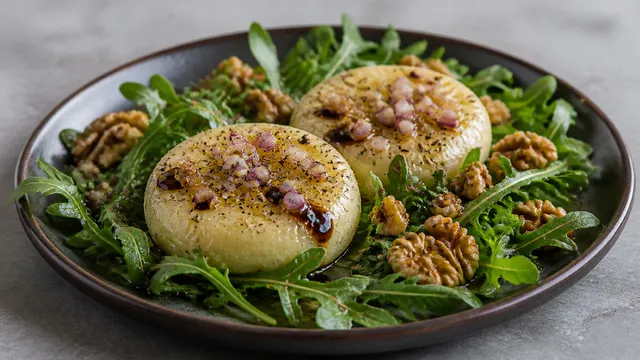
Handkase Cheese on Arugula with Walnuts and Balsamic
Handkase cheese on arugula with walnuts and balsamic vinaigrette - approx. 4 g net carbs, 23 g fat per serving, ready in 10 minutes. Keto and elegant.
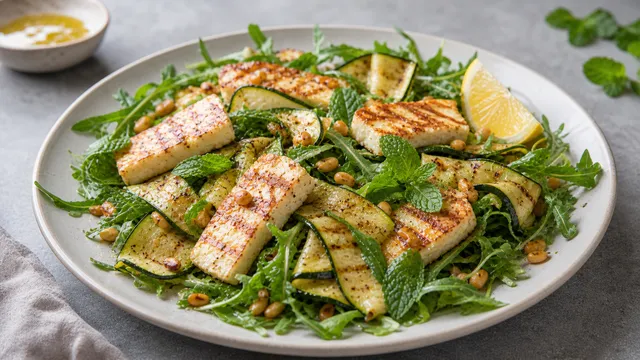
Keto Halloumi Zucchini Salad with Mint
Summery keto salad with grilled halloumi, zucchini, mint and pine nuts: vegetarian, only approx. 5 g net carbs and 31 g fat per serving.
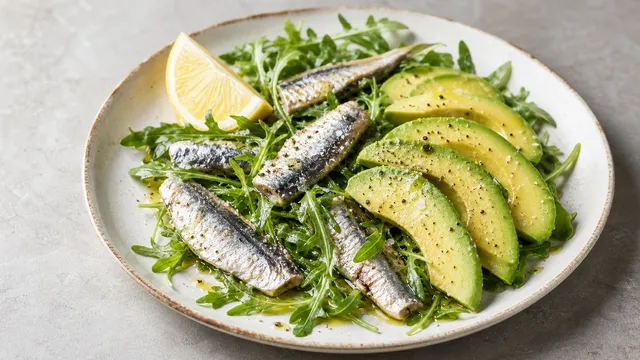
Keto Sardines Avocado Salad
Keto sardines avocado salad: sardines in olive oil with avocado, lemon and arugula. Just 3 g net carbs and 38 g fat per serving, ready in 8 minutes.

Keto Wiener Schnitzel with Almond Breading
Keto Wiener Schnitzel from veal with a golden almond flour and Parmesan breading pan-fried in ghee: just 5 g net carbs and 63 g fat per serving in 25 minutes.