Green Tea: The Keto Classic with EGCG
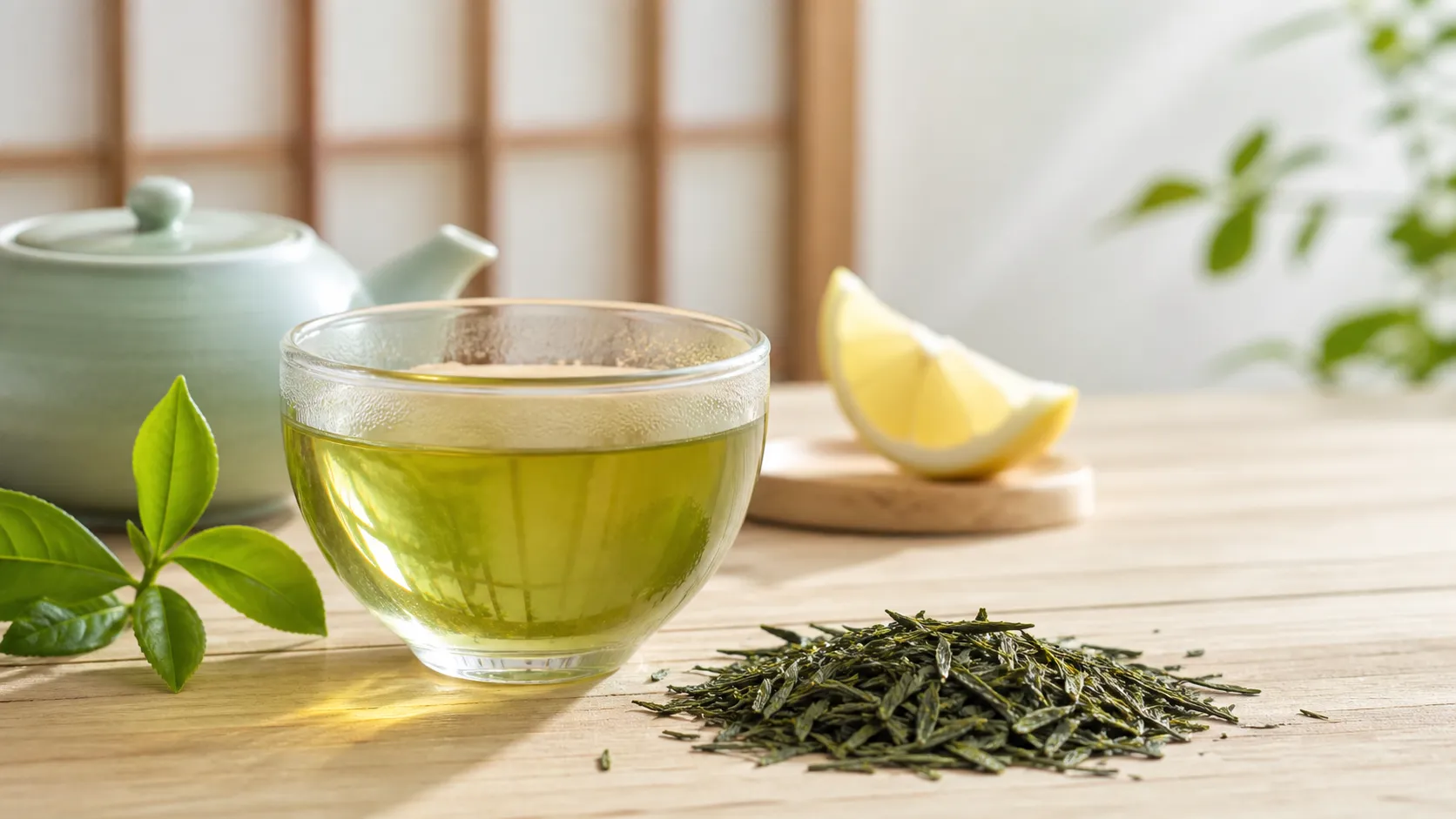
Green tea is the absolute keto classic and one of the best drinks for the ketogenic diet overall. With 0 g net carbs per cup, a high concentration of epigallocatechin gallate (EGCG) and a moderate caffeine content of 25 to 50 mg, it measurably supports fat oxidation while also delivering L-theanine for a calm, focused alertness without the typical coffee crash. In a study by Venables et al. (Am J Clin Nutr 2008), green tea extract increased fat oxidation during moderate exercise by 17 percent. This property makes it particularly valuable during keto adaptation, when your body switches to fat burning. The catechins also have anti-inflammatory effects (PubMed, PMC6429496).
Is this recommended for keto?
Green tea is unreservedly recommended on keto, one of the best drinks overall. Per 100 ml of brewed tea, it contains 0 g net carbs and 1 kcal according to USDA data, with no impact on your carb budget. The EGCG (epigallocatechin gallate) it contains was shown in a randomized study by Venables et al. (Am J Clin Nutr 2008) to increase fat oxidation during moderate physical activity by 17 percent. This fat-burning-supportive effect pairs ideally with the metabolic state of ketosis. The combination of caffeine (25 to 50 mg per cup) and L-theanine (about 25 to 60 mg per cup) provides gentle energy without jitters, shakes or crashes. L-theanine modulates alpha waves in the brain and promotes focused relaxation. Studies also point to heart-protective, neuroprotective and potentially cancer-preventive effects (PMC6429496). For optimal effect, drink 3 to 5 cups per day, ideally between meals. Brand recommendation: Japanese varieties are often higher in quality than Chinese mass-market products. Top brands: Tea Mountains, Ronnefeldt, P&T Berlin, Ippodo (direct import from Japan), Pukka Green Tea bags, Lebensbaum Sencha, Sonnentor organic Sencha.
Source: Venables et al. - Green tea extract, fat oxidation and glucose tolerance (Am J Clin Nutr, 2008)
What goes well with it?
Green tea pairs excellently with a keto breakfast of eggs, avocado and bacon. The slightly bitter catechins balance the richness of the fats, and the caffeine-L-theanine combination provides 4 to 6 hours of calm alertness. Green tea also harmonizes especially well with fish and Asian keto dishes: salmon sashimi, Thai curry, wok dishes with chicken or shrimp. Cold-brewed with lemon juice and erythritol, green tea becomes the perfect keto-friendly iced tea, ideal in summer as a replacement for sugary refreshments. A splash of cream or coconut cream makes it creamier without notable carbs, a variation popular in many cafes as a green tea latte. Classic as pure Sencha, with higher water temperatures (Bancha, Hojicha) or premium as Gyokuro with a long steep time at 50 to 60 degrees. With fresh mint leaves and lime juice, you get a Moroccan-style iced tea without sugar.
Pros & cons of organic
Advantages of organic green tea: Organic green tea contains significantly fewer pesticide residues than conventional products. A Greenpeace investigation found concerning pesticide levels in several conventional green tea brands from China and India. Organic is especially worthwhile with Japanese green tea (Sencha, Bancha, Gyokuro) because the leaves are not fermented and residues remain directly in the leaf. Organic cultivation in Japan is strictly regulated (JAS organic is equivalent to EU organic). Disadvantages: Organic quality is noticeably more expensive, especially with Japanese varieties. Organic Sencha costs 15 to 30 euros per 100 g, conventional products 8 to 15 euros. Organic Gyokuro even ranges from 40 to 100 euros per 100 g. With Chinese green tea, the price premium is smaller (5 to 8 euros per 100 g versus 3 to 5 euros). For daily drinking at higher consumption levels, organic is particularly worthwhile because cumulative pesticide exposure is higher. Look for the EU organic seal, Demeter, JAS organic or Naturland.
Intolerances & allergens
Green tea contains caffeine and tannins. With a sensitive stomach, it can cause nausea, heartburn or burping on an empty stomach, so ideally drink it with a meal or at least 1 hour after waking up. With iron deficiency or anemia, green tea should not be drunk directly with meals, as tannins can reduce iron absorption from plant sources by up to 60 percent. High-dose green tea extracts (over 800 mg EGCG per day) can in rare cases stress the liver. Brewed tea is not affected. During pregnancy, a maximum of 2 to 3 cups per day due to caffeine.
Where to buy online or locally?
Green tea is available everywhere, from supermarkets and drugstores to specialty tea shops. For the best quality, go for loose leaves rather than bags. Bags often contain fannings (broken tea), which deliver fewer catechins and turn bitter faster. Japanese varieties: Sencha (standard, balanced), Bancha (robust, lower caffeine), Gyokuro (premium, shaded, very umami), Genmaicha (with roasted rice), Hojicha (roasted, low caffeine). Chinese varieties: Gunpowder (rolled, strong), Long Jing (Dragon Well, refined), Bi Luo Chun (floral), Mao Feng (mild-sweet). Brand recommendations: Tea Mountains, Ronnefeldt, P&T Berlin, Ippodo (direct import from Japan), Pukka Green Tea, Lebensbaum, Sonnentor. Brewing: 80 to 85 degrees hot water (not boiling!), 2 to 3 minutes steep time, 5 to 8 g leaves per 240 ml. Can be infused multiple times.
Nutrition values
| Nutrient | Per 100 ml (brewed) |
|---|---|
| Net carbs | 0 g |
| Fat | 0 g |
| Protein | 0 g |
| Calories | 1 kcal |
FAQ
Does green tea really boost fat burning?
Yes, several studies confirm the effect. Venables et al. (Am J Clin Nutr 2008) showed a 17 percent increase in fat oxidation during moderate exercise after green tea extract intake in a randomized study. EGCG inhibits the enzyme catechol-O-methyltransferase, which breaks down norepinephrine, so the lipolytic effect lasts longer. On keto, this effect adds to the metabolic adaptation.
How many cups of green tea per day on keto?
For optimal effect, 3 to 5 cups daily, ideally spread throughout the day and between meals. Watch the caffeine content: 5 cups equal about 125 to 250 mg of caffeine, well below the EFSA limit of 400 mg per day for adults. During pregnancy, a maximum of 2 to 3 cups due to the 200 mg caffeine upper limit. Do not drink directly with iron-rich meals.
Which green tea is best for keto?
High-quality Japanese Sencha or Gyokuro deliver the highest EGCG content among brewed teas, since shading before harvest increases catechin concentration. For daily drinking, Sencha tea bags from Pukka, Lebensbaum or Sonnentor are affordable and good. For special occasions, Gyokuro or a premium Sencha from specialty retailers (Tea Mountains, Ippodo, P&T Berlin) is worthwhile.